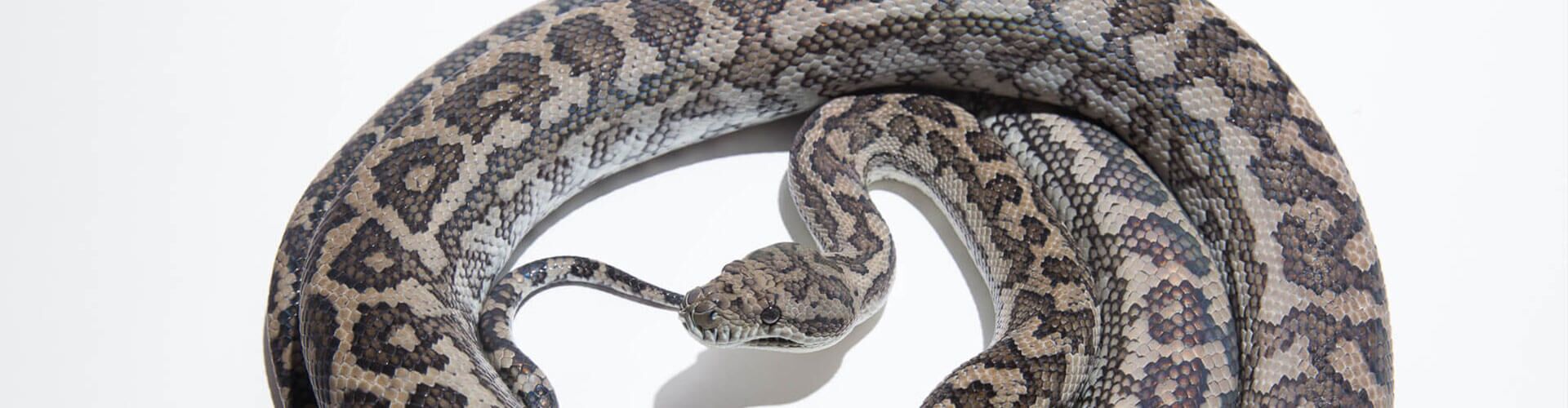
Morelia spilota mcdowelli – Coastal Carpet Python

Buying a Coastal Carpet Python: Everything You Need to Know

The coastal carpet python is the largest and arguably most versatile member of the carpet python complex – equally at home in pristine rainforest canopy and suburban rooftops. At StarPythons, we have been working with coastal carpet pythons for years, selectively breeding for health, temperament, and visual quality across multiple morph lines. On this page, you will find everything you need to know before buying one: from species biology and natural history to terrarium setup, feeding, breeding, and what to look for when choosing your animal. Our guide draws on firsthand breeding experience as well as the extensive field research of Richard Shine, Michael Fitzgerald, and other researchers who have studied wild coastal carpet python populations across eastern Australia.

Looking for a coastal carpet python? Browse our coastal carpet pythons for sale below.

Quick Facts: Coastal Carpet Pythons at a Glance

Feature Details
Scientific Name Morelia spilota mcdowelli
Size 2.0–2.5 m (6.5–8 ft) average
Life Expectancy 20-30 Years
Cage Size 150 × 70 × 100 cm / 5 × 2.5 × 3.3 ft (L × W × H)
Temperature Summer (Daytime) 28–30 °C (82–86 °F), Hotspot 36 °C (97 °F)
Temperature Winter (Daytime) 23–25 °C (73–77 °F), Hotspot 33 °C (91 °F)
Feeding Interval Every 14-21 days
Winter Rest Moderate cooling recommended
Suitable for Beginners Yes – one of the best beginner carpet pythons
Distribution Eastern Australia (SE Queensland, NE New South Wales)

Introduction

The coastal carpet python (Morelia spilota mcdowelli) is the powerhouse of the Morelia spilota complex. Named in honor of American herpetologist Samuel B. McDowell and originally described from a specimen collected at Terania Creek in the Nightcap National Park, New South Wales (Wells & Wellington, 1984), this subspecies holds the record as the largest carpet python – with exceptional females exceeding 3 meters in length and 20 kilograms in weight.

But size is only part of the story. What makes the coastal carpet python truly remarkable is its extraordinary adaptability. In the wild, these pythons thrive across an impressive range of habitats, from subtropical rainforest and eucalypt woodland to the rooftops and rafters of suburban Brisbane. This adaptability, combined with a generally tolerant temperament and impressive visual diversity, has made M. s. mcdowelli the most popular carpet python in the international reptile hobby – and the genetic foundation for the majority of captive carpet python morphs, including Jaguars, Hypos, Albinos, Caramels, and Axanthics.

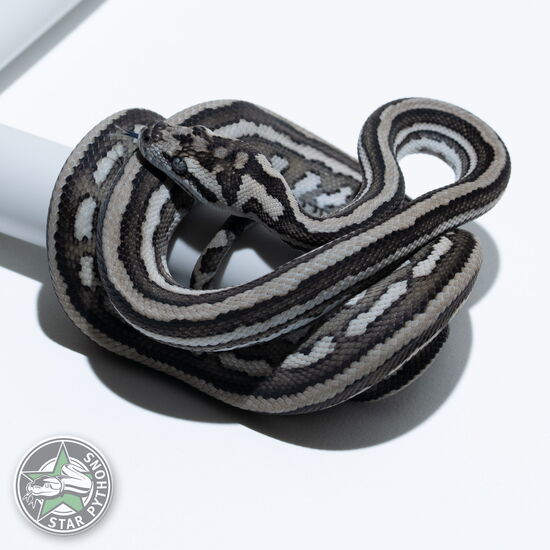
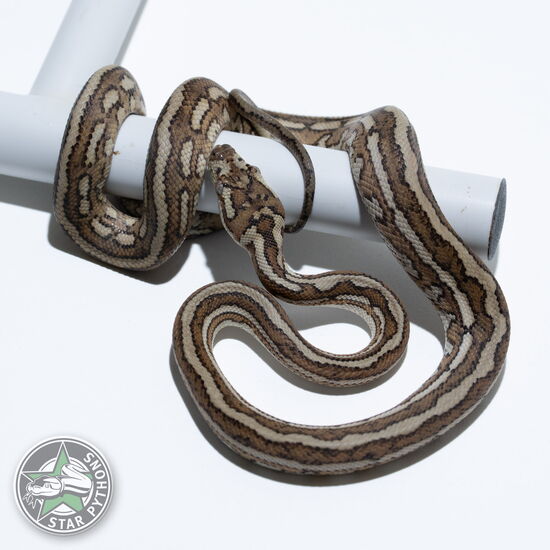
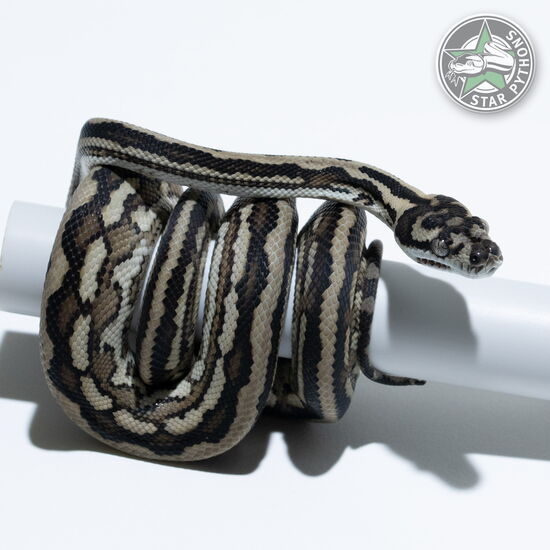
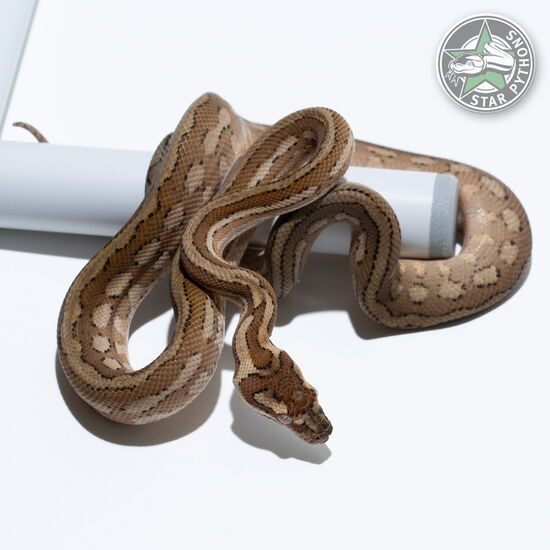
Don't expect a one-size-fits-all appearance: coastal carpet pythons are among the most variable reptiles you will encounter. Neonates come in two strikingly different colour morphs – a dark grey form and a warm rust-red form – and both change considerably as the animal matures. By adulthood, the range of possible patterns spans everything from bold blotches and crossbands to partial or complete dorsal stripes, set against backgrounds of olive, brown, grey, or near-black.

Taxonomy: A Subspecies Redefined?

Morelia mcdowelli was originally described as a full species by Wells and Wellington (1984), based on a specimen from Terania Creek, NSW. The species epithet honours American herpetologist Samuel B. McDowell. A decade later, Barker and Barker (1994) reclassified it as a subspecies of Morelia spilota, the arrangement that remains in general use today. Traditionally, M. s. mcdowelli has been understood as a wide-ranging taxon covering the entire east coast of Queensland and much of coastal New South Wales – essentially, every large coastal carpet python that was not a jungle carpet python or a diamond python was assigned to mcdowelli.

On this page and throughout our website, we follow these traditionally recognised designations – the nomenclature used in herpetoculture for many years, including CITES documentation and established breeding records. However, the phylogenetic boundaries within the M. spilota complex are subject to ongoing scientific debate, and recent molecular research has begun to challenge the traditional picture in ways that are worth understanding.

What Recent Genetics Suggest

Phylogenomic analyses have shown that the M. spilota complex diversified relatively recently and rapidly, which partly explains why molecular distinctions between some subspecies remain scientifically unresolved (Esquerré et al., 2020; Ciavaglia et al., 2014). Taylor (2005) first demonstrated genetic divisions within M. spilota that correspond to biogeographic barriers along Australia's east coast, and found that the jungle carpet python subspecies as traditionally circumscribed does not appear to represent a genetically cohesive taxon. Ciavaglia et al. (2014), comparing DNA sequences of the complete cytochrome b gene and a 278 bp fragment across 35 individuals, grouped specimens from Tully, Townsville, and Mackay together in their phylogenetic reconstruction – populations that had traditionally been split between cheynei and mcdowelli. Notably, animals from Julatten in far north Queensland grouped not with other "jungle carpets," but with specimens from New Guinea. Additional molecular work presented by Mutton and Julander (2022) supports and extends these findings, pointing to the area around Bundaberg Central as a potentially significant genetic boundary.

If these genetic groupings are confirmed by further research – including nuclear gene data and morphological analysis – the taxonomic implications would be substantial. The emerging picture suggests three distinct lineages along the east coast, separated by well-characterised biogeographic barriers (Bryant & Krosch, 2016):

  • North of the Black Mountain Corridor (a dry habitat gap south of Port Douglas, north of Cairns): Carpet pythons in this region – including the "northern jungle carpets" from Julatten, Port Douglas, and the Daintree – appear to align genetically with New Guinea and Northern Territory populations, suggesting they may belong to M. s. variegata rather than to cheynei (Mutton & Julander, 2022).
  • Black Mountain Corridor south to Bundaberg Central: This grouping encompasses the Atherton Tablelands, Tully, Townsville, Mackay, and Rockhampton – a range that spans populations traditionally assigned to both cheynei and mcdowelli. Since the type specimen of cheynei was described from Ravenshoe on the Atherton Tableland, 24 lines before mcdowelli in the same publication (Wells & Wellington, 1984), the ICZN rule of priority would assign the name cheynei to this group if it is formally recognised as a single taxon (Mutton & Julander, 2022).
  • South of Bundaberg Central to approximately Port Macquarie: This southern population – including the Sunshine Coast, Brisbane, Gold Coast, and Coffs Harbour – appears genetically distinct from the populations to the north (Taylor, 2005; Ciavaglia et al., 2014; Mutton & Julander, 2022). The type locality of mcdowelli at Terania Creek, NSW falls within this range, so the name mcdowelli would continue to apply.

The Southern Contact Zone

At the southern end of their distribution, coastal carpet pythons come into contact with diamond pythons (M. s. spilota). A specimen from Caparra, NSW – near the suspected boundary – grouped genetically with Brisbane animals rather than with diamond pythons, despite being visually similar to the latter (Ciavaglia et al., 2014). This suggests the intergrade zone between these two subspecies may extend further south than previously assumed, though further sampling is needed to precisely delimit this contact zone (Mutton & Julander, 2022). To the west, the Great Dividing Range and expanses of treeless terrain largely separate coastal populations from the inland carpet python (M. s. metcalfei), though contact may occur at the northwestern corner of the range (Mutton & Julander, 2022).

What This Means for Keepers

Regardless of how the taxonomic debate is ultimately resolved, the practical implications for most keepers are limited. The vast majority of captive coastal carpet pythons originate from the Brisbane–Gold Coast–Sunshine Coast corridor and surrounding regions – populations that fall within the range of mcdowelli under both the traditional and the proposed revised classification. We will revise our designations as scientific consensus develops. In the meantime, these findings underscore the importance of knowing where your animals come from and maintaining documented lineages. At StarPythons, we keep detailed records of genetic provenance for all our breeding animals – not because of a label, but because understanding lineage is fundamental to responsible breeding.

Distribution and Lifestyle

The coastal carpet python inhabits a relatively compact but ecologically diverse strip along the eastern Australian seaboard. Under its traditional range definition, M. s. mcdowelli extends from approximately Coffs Harbour in northeastern New South Wales northward along the coast through Brisbane, the Sunshine Coast, and into Queensland as far as Bundaberg Central – though as discussed in the taxonomy section, the precise northern boundary remains a matter of ongoing scientific discussion.

A Subtropical Generalist

Unlike the cool-adapted diamond python to the south or the tropical jungle carpet python to the north, M. s. mcdowelli occupies a subtropical to warm-temperate zone. The climate across most of its range is characterised by warm, humid summers and mild, dry winters – Brisbane, for instance, averages summer highs around 30 °C (86 °F) and winter lows around 10 °C (50 °F), with frost virtually absent from coastal areas.

This moderate climate is reflected in the animal's biology: coastal carpet pythons are active across a longer portion of the year than diamond pythons, and they do not require the same dramatic winter cooling – though a moderate seasonal temperature reduction remains important for long-term health and reproductive cycling.

Habitat Preferences

Coastal carpet pythons utilise a wide variety of habitats throughout southeastern Australia, and colours and patterns often correspond to local habitat types – though these examples of local adaptation are not necessarily indicative of deeper evolutionary distinctness (Mutton & Julander, 2022). They are primarily found in wooded areas, particularly in riparian plant communities along the region's watercourses, but also inhabit subtropical rainforest, dry rainforest, and eucalypt woodland.

These are emphatically arboreal snakes. Radio-tracking studies have shown that they preferentially select elevated positions, with males perching an average of 8.1 metres and females 11.1 metres above the ground (Shine & Fitzgerald, 1996). Males show a particular preference for trees draped in heavy vine growth, where they may remain concealed for extended periods – especially during winter. These sheltered retreats also provide proximity to prey species that use the same dense vegetation for cover, allowing the pythons to ambush from secure positions (Shine & Fitzgerald, 1996).

Even when found on the ground, coastal carpet pythons tend to remain in dense thickets and generally avoid cleared land (Shine & Fitzgerald, 1996). This preference for structural complexity – whether natural or human-made – is key to understanding their remarkable success in modified landscapes.

Living with Humans

Much of the coastal carpet python's range overlaps with some of Australia's most densely populated areas. The greater Brisbane and Gold Coast metropolitan regions, home to millions of people, sit squarely in mcdowelli territory. Remarkably, these pythons have not only survived urbanisation – in many areas, they have thrived.

Coastal carpet pythons are among the most commonly encountered snakes in suburban eastern Australia. They are routinely found sheltering in roof spaces, garden sheds, and rafters, presumably capitalising on the increased availability of rodent prey often found within human habitation (Walker, 2007). Snake removal services along the east coast report that carpet pythons make up a substantial proportion of their callouts. Over a six-year period, 249 M. s. mcdowelli were removed from disturbed areas west of Brisbane alone (Fearn et al., 2001), illustrating just how numerous these animals can be even in heavily modified landscapes.

This tolerance of human-modified environments reflects a genuine ecological flexibility. The thick secondary vegetation of disturbed habitats provides adequate cover, the prey-rich microhabitats around buildings offer reliable food sources, and artificial structures such as corrugated metal sheeting present opportunities for thermoregulatory behaviour (Mutton & Julander, 2022). These pythons maintain relatively high densities even in disturbed areas, although this is not the case in widely cleared landscapes where thick vegetation is absent (Shine & Fitzgerald, 1996).

Size and Growth

The coastal carpet python holds the distinction of being the largest member of the Morelia spilota complex – and the size records for this subspecies are genuinely impressive.

Average vs. Maximum

It is important to distinguish between average adult size and the exceptional giants that capture headlines. A long-term study of 249 coastal carpet pythons removed from the Brisbane region found average snout-to-vent lengths of 1.76 m (5.8 ft) for females and 1.81 m (5.9 ft) for males (Fearn et al., 2001). Most adult coastal carpets you will encounter fall somewhere in the 2.0 to 2.5 m (6.5 to 8 ft) total length range – substantial snakes, but manageable.

However, the upper end of the size spectrum is remarkable. Fearn et al. (2001) documented specimens reaching 3.4 m (11.2 ft) in length and weights of 6.5 kg (14.3 lbs) near Brisbane. The single largest reliably recorded carpet python was a female found west of Port Macquarie, NSW in 2002, measuring 3.5 m (11.3 ft) in total length and an astonishing 22.3 kg (49 lbs) (Hollis, 2002, as cited in Mutton & Julander, 2022). This extraordinary weight almost certainly reflects a recently fed animal, but the measurement remains the benchmark for the species.

Sexual Dimorphism

Coastal carpet pythons display notable sexual dimorphism – but in an unusual direction. While females are the larger sex in many snake species, in M. s. mcdowelli it is the males that achieve the greatest maximum sizes. In the Brisbane study, the seven largest individuals – all with snout-to-vent lengths exceeding 2.5 m (8.2 ft) but below 3.3 m (10.8 ft) – were all males. The heaviest male weighed 6.5 kg (14.3 lbs), while the largest female reached only 4.4 kg (9.7 lbs). Males also tended to be significantly heavier than females at equivalent lengths (Fearn et al., 2001). This pattern is consistent with the theoretical prediction that male-biased size dimorphism evolves in species where males engage in ritual combat for access to females (Mutton & Julander, 2022).

Hatchling Size and Growth

Hatchling coastal carpet pythons are typical for the complex, averaging 22 to 30 g at hatching and approximately 38 cm (15 in) in length (Mutton & Julander, 2022). Growth is rapid in the first two to three years and then progressively slows. Females can reach reproductive size at surprisingly modest dimensions – one brooding female was recorded at just 136 cm (54 in) SVL and only 395 g while incubating eggs (Fearn et al., 2001) – though most breeding females will be considerably larger.

Appearance and Variation

The two colour phases seen in hatchlings – a dark grey morph and a rust-red morph – are among the first things new keepers notice. As the animals grow, both morphs undergo significant changes in pigmentation. In red-phase juveniles, the warm tones fade within the first year and are replaced by cooler greys and browns. Across both phases, dark pigment steadily intensifies with age, gradually outlining the lighter pattern elements and producing the higher-contrast look typical of mature specimens (Mutton & Julander, 2022).

Adult coastal carpet pythons are powerfully built and display a remarkable range of pattern types – from irregular blotches and transverse bands to partial or complete dorsal stripes, with many animals showing combinations of all three. Where lateral blotches on opposite sides of the body meet along the spine, they can merge into a jagged, zigzag-like dorsal stripe. The lighter pattern areas range in colour from cream and tan through warm red to pale grey, and each is edged by darker scales. The extent of this dark bordering varies enormously between individuals: in some it is barely visible, while in others it dominates so thoroughly that the overall impression is of a very dark snake. Background colour is no less variable, encompassing shades of brown, olive, and grey (Mutton & Julander, 2022).

One feature frequently cited as characteristic of M. s. mcdowelli is the absence of a clearly defined head pattern – the markings on the head tend to appear washed out or diffuse compared to those of jungle carpet pythons. This, however, is not a universal trait: specimens from certain parts of the range, as well as younger animals, may show bold and well-defined head markings (Mutton & Julander, 2022).

In build, coastal carpet pythons are distinguished from jungle carpet pythons (M. s. cheynei) by a broader, somewhat flatter head and a generally heavier body. The head is clearly set off from the neck, and the tail is highly prehensile – an adaptation consistent with their strongly arboreal lifestyle (Mutton & Julander, 2022).

What This Means for Your Enclosure

The potential size of adult coastal carpet pythons – particularly males – demands appropriate planning. While a 2-metre coastal carpet is a manageable animal, a 3-metre male is a substantial snake that requires a spacious enclosure and confident handling. When selecting your animal, be aware that you may be committing to housing a large python for two decades or more.

Enclosure and Temperatures

The coastal carpet python is among the more forgiving carpet python subspecies when it comes to husbandry, but getting the fundamentals right from the start makes all the difference between a snake that merely survives and one that thrives.

Cage Size

For an adult coastal carpet python, we recommend a minimum enclosure size of 150 × 70 × 100 cm (5 × 2.5 × 3.3 ft, L × W × H). The additional height compared to a diamond python setup reflects the strongly arboreal nature of this subspecies. For particularly large males exceeding 2.5 m, consider an even larger enclosure. Juveniles can be started in smaller setups – from approximately 30 × 30 × 30 cm (12 × 12 × 12 in) – and graduated to larger enclosures as they grow.

Climbing Opportunities and Structure

This is fundamentally an arboreal species. In the wild, coastal carpet pythons spend the majority of their time elevated – whether in trees, vine tangles, or the rafters of buildings (Shine & Fitzgerald, 1996; Walker, 2007). Your enclosure should offer multiple sturdy climbing branches at various heights, ideally at least the diameter of the snake's body. Cork bark, thick branches, and artificial vine structures all work well. Males in the wild show a particular preference for positions concealed by heavy vine growth (Shine & Fitzgerald, 1996), so providing some visual cover along the climbing structures – rather than bare, exposed branches – will help the animal feel secure.

Provide at least one hiding place in the warm zone and one in the cool zone. As with all carpet pythons, hides should be snug – the snake should feel its body in contact with the walls of the hide. Juveniles in particular benefit from tight hides, as they are more prone to stress in overly open enclosures.

Ventilation

Good airflow is essential. Coastal carpet pythons tolerate moderate humidity well, but stagnant air combined with high moisture creates conditions for respiratory infections and scale rot. Aim for a chimney-effect ventilation design with lower intake and upper exhaust vents. Humidity should come from the substrate and occasional spraying, not from a sealed, stuffy enclosure.

Temperatures

Coastal carpet pythons come from a subtropical climate and tolerate a somewhat warmer regime than diamond pythons – but they are not tropical snakes and should not be kept at constant high temperatures year-round.

Summer (Active Season)

Daytime 28–30 °C (82–86 °F)
Spot / Heating Mat 36 °C (97 °F)
Nighttime 22–24 °C (72–75 °F)
Humidity 55–65 % rH

Winter (Cooling Period)

Daytime 23–25 °C (73–77 °F)
Spot / Heating Mat 33 °C (92 °F)
Nighttime 18–20 °C (64–68 °F)
Humidity 60–70 % rH

The transition between summer and winter should be gradual, over a period of three to four weeks. While the seasonal cooling is less extreme than what diamond pythons require, it remains important for long-term health, metabolic regulation, and reproductive cycling. In the wild, the core of the mcdowelli range around Brisbane experiences average winter lows around 10 °C (50 °F) and summer highs around 30 °C (86 °F) – a clear seasonal rhythm that these animals have evolved with. Captive animals kept without any seasonal variation often show reduced vitality and breeding success over time.

Important: As with all members of the Morelia spilota complex, the hotspot is critical. After feeding, carpet pythons instinctively seek out temperatures significantly warmer than their normal preferred range in order to initiate digestion – a well-documented thermophilic response (Slip & Shine, 1988). A hotspot that is always available allows the animal to self-regulate this process. Without it, digestion slows, and the risk of regurgitation increases.

Feeding the Coastal Carpet Python

An Ambush Predator with a Broad Menu

Like all members of the Morelia spilota complex, the coastal carpet python is a sit-and-wait predator. In the wild, these snakes select an ambush position – typically on a branch, vine tangle, or building rafter – and may remain motionless for extended periods, waiting for prey to pass within striking distance. This largely sedentary hunting strategy is common to all carpet pythons and is one of the reasons they persist so well in fragmented and disturbed habitats (Shine & Fitzgerald, 1996).

Ontogenetic Diet Shift

Like many pythons, coastal carpet pythons shift their prey preferences as they grow. Young animals feed predominantly on frogs and small lizards, only graduating to mammalian prey once they have gained sufficient size (Walker, 2007). Caudal luring has been documented in a juvenile coastal carpet python: after a green tree frog (Ranoidea caerulea) was introduced nearby, the young snake began rapidly twitching its tail tip, holding it close to its own head (Simon et al., 1999). The behaviour functions as a deceptive signal – the moving tail resembles an invertebrate, drawing curious frogs or lizards into striking range.

The Adult Menu in the Wild

The diet of adult coastal carpet pythons in the wild is remarkably broad and reflects the opportunism of a large generalist predator. In suburban environments, introduced rodents – mice (Mus musculus) and rats (Rattus sp.) – form the backbone of the diet and constitute the majority of prey items recorded from disturbed habitats (Fearn et al., 2001). In a population studied in northeastern New South Wales, non-native species made up 89 % of all prey consumed (Shine & Fitzgerald, 1996).

Larger mammals also feature regularly. Brushtail possums (Trichosurus vulpecula), themselves increasingly common in human-modified landscapes, weigh between 1.2 and 2.5 kg (2.7–5.5 lbs) and provide a significant energy gain for a mid-sized adult python (Mutton & Julander, 2022). More surprisingly, carpet pythons prey on koalas (Phascolarctos cinereus). A radio-tracking study of approximately 500 koalas north of Brisbane found that pythons were responsible for roughly 10 % of predation-related deaths in the tracked population. Most of these encounters ended without the snake actually ingesting the koala – in 13 of 21 documented kills, the carcass was left unconsumed, presumably because the python could not manage the gape required. Even so, pythons ranked as the second most important predator in the study, though far behind dingoes, which killed 152 animals in the same period (Robbins et al., 2019).

Birds contribute substantially to the suburban diet. Fearn et al. (2001), examining 258 carpet pythons collected around Brisbane and Ipswich, recorded a wide variety of avian prey including domestic ducks, chickens, turkeys, and quail. It is not unusual for a python to become trapped in a poultry enclosure or aviary after swallowing a bird too large to allow it to exit through the same gap it used to enter. Among the suburban specimens in that study, birds accounted for close to half of total prey biomass – a figure that is certainly inflated relative to undisturbed habitats, where free-ranging birds are far harder to capture (Fearn et al., 2001; Fill et al., 2012; Shine & Fitzgerald, 1996). Predation on rainbow lorikeets (Trichoglossus moluccanus) has been observed near Brisbane at sites where these parrots gathered to drink from water pooling in roof guttering (Ley et al., 2019). Eggs – particularly those of chickens and geese – round out the list of documented food items (Fearn et al., 2001; Shine & Fitzgerald, 1996).

Larger domestic animals are not immune. Both cats (Felis catus) and dogs (Canis familiaris) have been recorded as prey, including at least one confirmed canine predation event (Shine & Fitzgerald, 1996), though such cases are rare and require a large adult snake.

Threats from Prey

The relationship between predator and prey is not always one-sided. Coastal carpet pythons have been found dead after attempting to consume the invasive cane toad (Rhinella marina), whose potent toxins can be fatal to snakes that constrict and ingest them (Mutton & Julander, 2022). How frequently this occurs in wild populations remains unclear.

Feeding Recommendations for Captivity

For adult coastal carpet pythons, offer an appropriately sized rodent – a mouse or rat, depending on the snake's girth – every 10 to 14 days. Juveniles should be fed more frequently, approximately every 7 days. As with all carpet pythons, feed according to body condition rather than a rigid calendar.

Given the large potential size of this subspecies, overfeeding is a real and common concern. A lean, muscular coastal carpet python with visible body definition is a healthy animal. An obese specimen – often the result of weekly feedings of oversized prey items – faces a shortened lifespan, fatty liver disease, and increased risk of reproductive complications. These are ambush predators that have evolved for long intervals between meals. Respect that biology, and your animal will reward you with decades of vigorous health.

Breeding and Reproduction

Coastal carpet pythons are among the best-studied carpet pythons in terms of wild reproduction, thanks to their abundance in populated areas where researchers, snake handlers, and observant residents regularly encounter gravid females and nesting events. Much of what we know about reproductive behaviour in the M. spilota complex comes from this subspecies – and while details of timing and specific conditions will vary across the range, many fundamental aspects of reproduction are likely shared across the complex (Mutton & Julander, 2022).

Seasonality and Male Combat

Breeding in wild M. s. mcdowelli is strongly seasonal. Mating takes place during the Australian spring, from August through October, as temperatures begin climbing after the cool months (Barker & Barker, 1994; Mutton & Julander, 2022). Males become notably more active during this period, and encounters between rival males frequently escalate into ritualised combat. These bouts involve the opponents wrapping around each other and wrestling for dominance, and can intensify to the point of aggressive biting – the resulting wounds leave scars that are a common feature on wild-caught adult males (Mutton & Julander, 2022). In the Brisbane area, combat between males has been documented from October through to February (Fearn et al., 2001).

These confrontations typically occur between rivals of similar body size. Fearn et al. (2001) recorded that fighting males differed by just 3 to 6 cm (1.2–2.4 in) in body length and only 200 to 300 g in mass. When a noticeably larger male approaches, the smaller individual tends to retreat rather than engage (Fitzgerald & Shine, 2018). This size-matched pattern of combat aligns with the male-biased sexual dimorphism observed in this subspecies: the reproductive advantage gained through winning combat bouts is likely a key driver behind the evolution of larger body size in males.

Males may also remain in close proximity to a receptive female over extended periods, actively guarding her from competitors. In one case documented in northeastern New South Wales, a male stayed near a female for more than six weeks, repelling rival males throughout but accumulating bite injuries in the process. Confrontations were recorded during both daylight and nighttime hours (Fitzgerald & Shine, 2018). In other instances, several males have been seen trailing a female simultaneously without any combat taking place, indicating that the social dynamics during the mating season are not uniformly aggressive (Shine & Fitzgerald, 1996).

Egg Development and Deposition

Yolk production in the ovarian follicles – vitellogenesis – begins during early spring. Evidence for this timing comes from a female killed by a vehicle in September whose follicles had already reached 21 mm in diameter, confirming that reproductive investment is well underway by this point in the season (Fearn et al., 2001). Eggs are typically deposited around mid-December as summer heat intensifies. Field observations indicate that brooding females are most often discovered in January, with hatchlings appearing by mid-February – a timing that gives the neonates maximum access to warm conditions and abundant prey during their first weeks of life (Charles et al., 1985).

One observation provides insight into pre-laying behaviour: a gravid female was found beneath artificial cover on December 14th, and when the site was inspected again on December 31st, she had already deposited her clutch (Fearn et al., 2001). This suggests that females may seek out and settle into their chosen nest site well in advance of egg-laying itself.

Clutch Size and Nesting

Reported clutch sizes span a wide range, from 10 to 60 eggs (Field, 2003, as cited in Mutton & Julander, 2022), though documented wild clutches tend to cluster at the lower end. Charles et al. (1985) reported three wild females incubating clutches of 23, 15, and 10 eggs respectively. The energetic cost of reproduction is considerable: eggs can represent up to 40 % of the female's total body mass (Fearn et al., 2001).

Nest site selection favours sheltered locations with relatively stable temperatures. In suburban settings, females are frequently found brooding beneath sheets of metal, within compost heaps, under piled garden cuttings, and among hay bales (Charles et al., 1985; Mutton & Julander, 2022). The high number of nesting records associated with artificial cover almost certainly reflects the ease with which observers can discover these sites, rather than a genuine preference for man-made materials over natural alternatives. A female coiled on a piece of corrugated roofing is simply far more conspicuous than one hidden beneath leaf litter in undisturbed forest (Mutton & Julander, 2022).

Brooding Behaviour

Incubating females maintain body temperatures above ambient levels and regularly leave the clutch to bask, in some cases on a daily basis (Charles et al., 1985). One wild female was measured at 30 °C (86 °F) within her coils at the time of discovery – marginally warmer than the surrounding air. After being relocated to captivity where ambient temperature was 26 °C (79 °F), she did not exhibit shivering thermogenesis despite the temperature differential (Charles et al., 1985). The ability to generate metabolic heat through rhythmic muscle contractions has been confirmed in diamond pythons (M. s. spilota) and southwestern carpet pythons (M. s. imbricata), but remains undocumented in wild M. s. mcdowelli (Mutton & Julander, 2022). Whether populations in the cooler southern reaches of the range employ this strategy has yet to be investigated.

Reproductive Maturity and Complications

Females can commence breeding at surprisingly small sizes. The smallest documented brooding female measured just 136 cm (54 in) SVL and weighed only 395 g (Fearn et al., 2001) – a fraction of the size typically associated with reproductive adults in this subspecies. In the wild, gravid females are more commonly encountered at lengths around 1.6 m (5.3 ft) or above (Mutton & Julander, 2022). Males, too, may attempt to enter the breeding fray at modest dimensions: one individual of just 131 cm (52 in) SVL and 500 g was recorded engaging in combat, though an animal of this size would stand little chance against a full-grown rival (Fearn et al., 2001).

Not all reproductive attempts succeed. Wild females have been found with retained, decomposing eggs requiring veterinary intervention. In one such case, a female was discovered loosely draped over seven eggs – an unusually relaxed posture that likely reflected the late stage of incubation. When the clutch was removed for artificial incubation, additional eggs in various stages of decay were found still inside the female and had to be surgically extracted. The viable eggs hatched five days later, producing neonates that averaged 21 g (0.74 oz) and 38 cm (15 in) in length – evidence that despite the complications, the female had maintained adequate incubation conditions throughout (Mutton & Julander, 2022). Abandonment of the clutch has also been recorded: Charles et al. (1985) documented one female leaving her eggs during a severe hailstorm. Such failures are the exception, however – under normal circumstances, maternal brooding reliably produces healthy hatchlings.

Captive Breeding Notes

In captivity, breeding coastal carpet pythons is straightforward provided the basic seasonal cycle is observed. A cooling period of 8 to 12 weeks during the winter months triggers reproductive behaviour. Introductions typically occur from August onwards. Females can produce large clutches, and incubation at 31–32 °C (88–90 °F) yields hatchlings in approximately 50 to 55 days.

As with diamond pythons, we at StarPythons allow our breeding females adequate recovery time between clutches. Reproduction is energetically costly – a brooding female eats nothing for months – and females that are bred annually without sufficient recovery produce smaller clutches and weaker offspring over time. The quality and well-being of our animals always take precedence over quantity.

Conservation

The coastal carpet python is one of the most commonly encountered snake species throughout its range and is not considered at risk at the species level. In Queensland, this taxon is listed as a Species of Least Concern under the Nature Conservation Act of 1992 (Mutton & Julander, 2022). In New South Wales, it is similarly not classified as threatened. Like all carpet pythons, M. s. mcdowelli falls under CITES Appendix II, which regulates international trade but does not imply immediate conservation concern.

Why Coastal Carpets Persist

The resilience of this subspecies in the face of extensive habitat modification is driven by several overlapping factors. The coastal carpet python's largely sedentary, ambush-hunting lifestyle means it can maintain viable populations in relatively small habitat patches, provided sufficient structural cover remains (Shine & Fitzgerald, 1996). The thick secondary vegetation and dense undergrowth that characterise disturbed landscapes provide adequate refuge, and the association with human structures – roof spaces, garden sheds, corrugated metal sheeting – offers both thermal regulation opportunities and proximity to abundant rodent prey (Walker, 2007; Mutton & Julander, 2022).

The species' dietary flexibility plays an important role as well. In suburban areas, the abundance of introduced rodents and the growing populations of brushtail possums in human-modified habitats ensure a reliable prey base. In some populations, the overwhelming majority of prey items are non-native species (Shine & Fitzgerald, 1996), meaning that coastal carpet pythons are, in a sense, benefiting from the same ecological disruptions that have altered their habitat.

Threats

Nonetheless, threats exist. Vehicle strikes are a significant cause of mortality for road-crossing individuals, and deliberate killing by people who mistake carpet pythons for venomous species still occurs (Mutton & Julander, 2022). The invasive cane toad (Rhinella marina) poses a documented risk – carpet pythons that attempt to consume these toxic amphibians can be fatally poisoned, though the frequency of such events in wild populations remains unclear (Mutton & Julander, 2022).

Juvenile coastal carpet pythons are vulnerable to predation by a range of species, including foxes, feral cats, dogs and dingoes, monitor lizards, and birds of prey. Adults face fewer natural predators, but the cumulative impact of road mortality, human persecution, and occasional poisoning through cane toad ingestion represents an ongoing source of attrition (Mutton & Julander, 2022).

Parasites and disease also deserve mention. The snake mite (Ophionyssus natricis), well known to captive snake keepers, has been introduced into captive populations in Australia and has also been found on wild lizards, raising the possibility of transmission to wild pythons (Norval et al., 2020, as cited in Mutton & Julander, 2022). A recent study identified carpet python blood in the mosquito Culex sitiens (Gyawali et al., 2019, as cited in Mutton & Julander, 2022), suggesting this species feeds on Morelia and may serve as a vector for mosquito-transmitted pathogens.

Perhaps the most fundamental long-term threat is habitat clearing that removes all tree cover. Coastal carpet pythons can tolerate considerable habitat modification – suburban gardens, secondary growth, agricultural margins – but they are ultimately arboreal snakes that depend on vertical structure. Landscapes stripped entirely of trees and dense vegetation become uninhabitable, regardless of how abundant prey might be.

The Bigger Picture

The coastal carpet python's current abundance should not be mistaken for invulnerability. Its distribution includes some of the fastest-growing urban corridors in Australia, and the ongoing conversion of remnant bushland to residential development continues to fragment habitat. Preserving corridors of connected vegetation – particularly along waterways, which serve as both habitat and dispersal routes – remains essential for ensuring that healthy populations persist alongside human communities in the long term.

Buying a Coastal Carpet Python: What You Should Look Out For

Looking for a coastal carpet python? At StarPythons, we breed coastal carpet pythons with a clear focus on health, genetics, and animal welfare – not quantity. Here is what sets a responsible breeder apart, and what you should always insist on.

Only Captive-Bred Animals from Responsible Breeders. Only buy captive-bred animals from reputable breeders. Captive-bred animals are healthier, calmer, and do not impact wild populations. Wild-caught carpet pythons from Australia are practically unavailable anyway, as the country has maintained strict wildlife export regulations for decades.

Health Check Before Purchase. A reputable breeder will be happy to show you their animals and provide full information about feeding history, shedding record, and health status. Watch out for noisy breathing, excessive mucus in the mouth, mites or skin changes, an unclean cloaca, or a lethargic, unresponsive animal. At StarPythons, every animal is regularly health-checked and fed on a documented schedule before it leaves us.

Documentation and Legal Aspects. Like all carpet pythons (Morelia spilota), coastal carpet pythons are listed under CITES Appendix II, which regulates international trade. Within the EU, no additional CITES permits are required for captive-bred animals – we provide all necessary documentation as standard.

Reporting requirements vary by country and region. In Germany, for example, Morelia spilota mcdowelli must be registered with the relevant local authority (usually the public order office or lower nature conservation authority) before or shortly after purchase. If you are based outside Germany, check with your local wildlife or nature conservation authority for exact requirements.

The seller is legally obliged to provide you with a certificate of origin. Never buy an animal without one.

Know What You Are Getting – Subspecies and Lineage Matter. Given the ongoing taxonomic discussion surrounding the Morelia spilota complex, we believe it is more important than ever to know the subspecific identity and geographic lineage of your animals. Mixed-subspecies animals are common in the hobby, and while there is nothing wrong with keeping them, mislabelling crosses as pure subspecies undermines both scientific integrity and breeding efforts. At StarPythons, all our breeding animals are documented with full lineage records. This is not just academic: it ensures genetic integrity and helps preserve the natural diversity within the carpet python complex.

Preparation Is Everything. Set up the terrarium completely before you bring your python home. Let it run for at least 48 hours to ensure temperatures and humidity are stable – your new animal should be able to settle in immediately, without the added stress of a fluctuating environment.

At StarPythons, all of the above is standard – not an exception.

Morphs and Genetic Varieties

The coastal carpet python is the genetic foundation for the majority of colour and pattern morphs available in the carpet python hobby today. This is partly because M. s. mcdowelli is the most widely kept and bred subspecies internationally, but also because several independent mutations have been discovered within this taxon – more than in any other member of the Morelia spilota complex.

For detailed information on genetics, inheritance, visual guides, and available animals for each morph, visit our dedicated morph pages:

  • Axanthic – A recessive mutation reducing yellow and red pigments, producing silvery-grey animals that showcase pure pattern contrast.
  • Caramel – An incomplete dominant mutation affecting colour tone, producing warm caramel and butterscotch hues.
  • Hypo (Hypomelanistic) – An incomplete dominant mutation reducing dark pigment, resulting in cleaner, warmer, and more luminous colouration. One of the most versatile morphs in combination breeding.
  • Jaguar – An incomplete dominant mutation causing dramatic pattern reduction and bright yellow colouration. Originally discovered in a private collection in Norway. The Jaguar mutation is associated with neurological symptoms of variable severity, a topic we address in detail on the dedicated page.
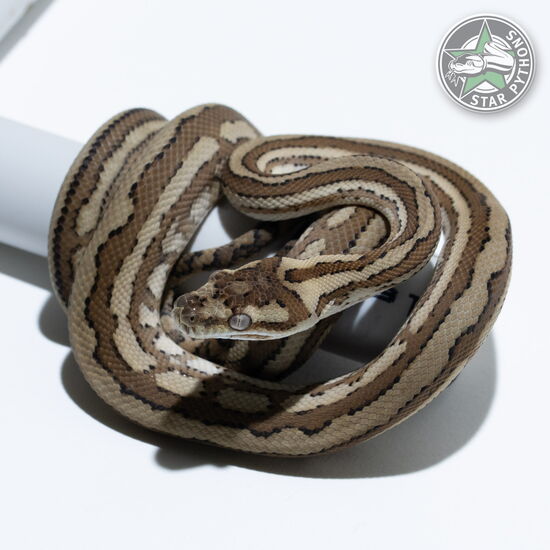
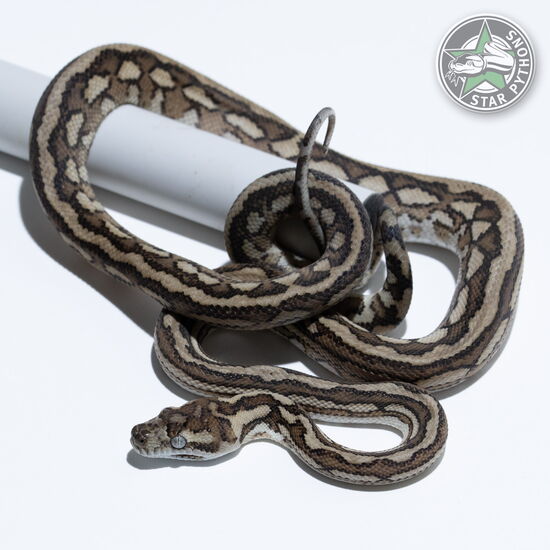
  • Tiger – A polygenic selection for enhanced dorsal striping, refined through selective breeding over multiple generations.

Many of the most striking animals in the hobby today are combinations of two or more of these mutations – Hypo Jaguars, Albino Granites, Caramel Zebras, and many others. The coastal carpet python's role as the primary morph carrier in the complex means that understanding mcdowelli genetics is essential for anyone interested in carpet python morph breeding.

Visit our Carpet Python Morphs overview page for a complete guide.

Common Mistakes (and How to Avoid Them)

1. Underestimating Adult Size

Coastal carpet pythons can become genuinely large snakes. A 30 g hatchling that fits in the palm of your hand may grow into a powerful 3-metre animal that requires a spacious enclosure and confident handling. Plan for the full adult size from the start – upgrading enclosures repeatedly is stressful for both the animal and your budget.

2. Overfeeding

The single most common husbandry error across the hobby. These ambush predators have evolved for long intervals between meals – in the wild, they may sit motionless for days waiting for a single prey item to pass (Shine & Fitzgerald, 1996). Their metabolism is simply not designed for a constant supply of food. An obese coastal carpet python faces fatty liver disease, reduced fertility, and a significantly shortened lifespan. Feed moderately, assess body condition regularly, and resist the temptation to offer food just because the snake appears eager. A lean, muscular python is a healthy python.

3. Insufficient Climbing Opportunities

Coastal carpet pythons are arboreal snakes that spend the majority of their time elevated in the wild – at average heights of 8 to 11 metres above the ground (Shine & Fitzgerald, 1996). An enclosure without adequate climbing structures forces these animals into an unnatural terrestrial existence, leading to stress and reduced activity. Provide multiple sturdy branches at varying heights, and ideally some visual cover along them to mimic the vine-draped retreats these snakes prefer in nature.

4. Skipping the Winter Cooling

While coastal carpet pythons do not need the dramatic cooling that diamond pythons require, eliminating seasonal variation entirely is a mistake. Animals kept at constant summer temperatures year-round often show reduced vitality, poor feeding response, and diminished breeding success over time. Even a moderate reduction in temperature for 8 to 12 weeks – matching the mild subtropical winter of their natural range – makes a meaningful difference to long-term health and reproductive cycling.

5. Poor Ventilation

Stagnant, humid air is the silent killer in carpet python husbandry. Coastal carpet pythons tolerate moderate humidity, but they need air that moves. A sealed enclosure with high moisture and no airflow creates ideal conditions for respiratory infections and skin problems. Ensure adequate ventilation with a chimney-effect design – lower intake, upper exhaust – and never compensate for poor airflow by simply reducing humidity, as this creates a different set of problems.

FAQ - Coastal Carpet Pythons

Is the coastal carpet python suitable for beginners?

Yes – with appropriate preparation. The coastal carpet python is arguably the most beginner-friendly member of the carpet python complex. It tolerates a wider range of temperatures than the diamond python, feeds readily, and is generally robust and forgiving of minor husbandry imperfections. However, potential keepers should be aware that these snakes can grow quite large – particularly males – and even a tolerant coastal carpet python is a powerful animal that deserves respect and confident handling.

How big does a coastal carpet python get?

Most adults reach 2.0 to 2.5 m (6.5 to 8 ft) in total length. Exceptional specimens – particularly males – can exceed 3 m (10 ft). The largest reliably recorded individual measured 3.5 m (11.5 ft) and weighed 22.3 kg (49 lbs) (Hollis, 2002, as cited in Mutton & Julander, 2022), though this was clearly exceptional and almost certainly reflects a recently fed animal. For most keepers, a snake in the 2 to 2.5 m range is the realistic expectation.

Are coastal carpet pythons aggressive?

No. While individual temperament varies, coastal carpet pythons are generally considered among the more docile carpet python subspecies. Hatchlings and juveniles can be defensive and nippy – this is completely normal defensive behaviour and typically subsides with regular, gentle handling over the first few months. Adults from well-managed captive-bred lines are usually calm and manageable. That said, any large python can deliver a painful bite if startled or fed incorrectly, so respectful handling practices are always important.

What is the difference between a coastal carpet python and a jungle carpet python?

In the traditional classification used throughout the hobby, the coastal carpet python (M. s. mcdowelli) and the jungle carpet python (M. s. cheynei) are treated as separate subspecies. Visually, jungle carpets are typically smaller, more slender, and display the iconic black-and-gold colouration associated with the Atherton Tablelands, while coastal carpets tend to be larger, more robust, and more variably patterned. In captivity, coastal carpet pythons generally tolerate somewhat warmer conditions and grow considerably larger. As discussed in the taxonomy section, recent genetic research suggests the boundary between these two subspecies may be more complex than traditionally assumed – but for practical purposes in herpetoculture, the distinction remains useful and widely recognised.

What is the difference between a coastal carpet python and a diamond python?

The diamond python (M. s. spilota) is a cool-adapted subspecies from southeastern Australia with a distinctive black base colour and contrasting yellow-white rosettes. It requires significantly cooler temperatures and a more pronounced winter rest than the coastal carpet python. Coastal carpets are larger, more variably patterned, and come from a warmer subtropical climate. The two subspecies come into contact in a transition zone in the mid-coast region of New South Wales, where intergrades with intermediate characteristics can occur. In captivity, the care requirements differ substantially – particularly regarding temperature management – so it is important to know which subspecies you are keeping.

How much does a coastal carpet python cost?

Prices vary significantly depending on age, morph, lineage, and origin. Wild-type captive-bred hatchlings are generally among the most affordable carpet pythons, while rare morph combinations and proven breeders command premium prices. Rather than focusing on price alone, pay attention to responsible breeding practices, health status, and documentation. Browse our current availability below to see pricing for your region.

Where can I buy a coastal carpet python?

We recommend buying directly from an experienced, reputable breeder – like StarPythons. A good breeder will take the time to answer your questions, show you their animals and breeding facility, and provide full documentation including proof of origin. Avoid anonymous sellers on reptile exchanges or dubious online listings where the health history, lineage, and subspecific identity of the animal are unknown.
References

Barker, D. G., & Barker, T. M. (1994). Pythons of the World. Advanced Vivarium Systems Inc.

Bryant, L. M., & Krosch, M. N. (2016). Lines in the land: A review of evidence for eastern Australia's major biogeographic barriers to closed forest taxa. Biological Journal of the Linnean Society, 119(2), 238–264. https://doi.org/10.1111/bij.12821

Charles, N., Field, R., & Shine, R. (1985). Notes on the reproductive biology of Australian pythons, genera Aspidites, Liasis, and Morelia. Herpetological Review, 16(2), 45–48.

Ciavaglia, S. A., Linacre, A., & Lee, S. B. (2014). OzPythonCheck: An identification test for the Australasian Pythons using the mitochondrial cytochrome b region. Forensic Science International: Genetics, 9, 91–100. https://doi.org/10.1016/j.fsigen.2013.11.007

Esquerré, D., Donnellan, S., Brennan, I. G., Lemmon, A. R., Lemmon, E. M., Zaher, H., Grazziotin, F. G., & Keogh, J. S. (2020). Phylogenomics, biogeography, and morphometrics reveal rapid phenotypic evolution in pythons after crossing Wallace's Line. Systematic Biology, 69(6), 1039–1051. https://doi.org/10.1093/sysbio/syaa024

Fearn, S., Robinson, B., Sambono, J., & Shine, R. (2001). Pythons in the pergola: The ecology of 'nuisance' carpet pythons (Morelia spilota) from suburban habitats in south-eastern Queensland. Wildlife Research, 28(6), 573–579. https://doi.org/10.1071/WR00110

Fill, J. M., McBride, P., Powell, A. J., Shanahan, L. K., Stark, J. R., Freeman, A. B., & Curran, T. J. (2012). Diet of amethystine (Morelia kinghorni) and carpet pythons (Morelia spilota) in North Queensland, Australia. Herpetological Review, 43(1), 30–34.

Fitzgerald, M., & Shine, R. (2018). Mate-guarding in free-ranging carpet pythons (Morelia spilota). Australian Zoologist, 39(3), 434–439.

Ley, A., Ley, B., Cook, S., Clark, R., & Overend, M. (2019). Parrot predation by Carpet Pythons. The Sunbird, 48, 147–148.

Mutton, N., & Julander, J. (2022). The More Complete Carpet Python: A Comprehensive Guide to the Natural History, Care, and Breeding of the "Morelia spilota" Complex. ECO Publishing. ISBN 978-1938850424.

Robbins, A., Loader, J., de Villiers, D., Beyer, H. L., & Hanger, J. (2019). Predation by carpet pythons (Morelia spilota) is an important cause of mortality in a free-living koala (Phascolarctos cinereus) population in South East Queensland. Australian Veterinary Journal, 97(9), 351–356. https://doi.org/10.1111/avj.12840

Shine, R., & Fitzgerald, M. (1996). Large snakes in a mosaic rural landscape: The ecology of carpet pythons, Morelia spilota (Serpentes: Pythonidae), in coastal eastern Australia. Biological Conservation, 76(2), 113–122. https://doi.org/10.1016/0006-3207(95)00085-2

Simon, P., Whittaker, R., & Shine, R. (1999). Morelia spilota (Australian carpet python): Caudal luring. Herpetological Review, 30(2), 102–103.

Slip, D. J., & Shine, R. (1988). Thermophilic response to feeding of the Diamond Python, Morelia s. spilota (Serpentes: Boidae). Comparative Biochemistry and Physiology Part A, 89(4), 645–650. https://doi.org/10.1016/0300-9629(88)90845-7

Taylor, J. (2005). Phylogeography of the carpet python (Morelia spilota) complex and its implications for taxonomy. [Specific publication details cited in Mutton & Julander, 2022.]

Walker, B. (2007). Coastal carpet python, Morelia spilota mcdowelli (Wells and Wellington, 1984). In M. Swan (Ed.), Keeping & Breeding Australian Pythons (pp. 276–286). Lilydale, Victoria: Mike Swan Herp Books.

Wells, R. W., & Wellington, C. R. (1984). A synopsis of the class Reptilia in Australia. Australian Journal of Herpetology, 1(3–4), 73–129.

Available Pure Coastal Carpet Pythons (Morelia spilota mcdowelli) Including Morphs

Sex
Category
Morph
This beautiful male Caramel Tiger het Axanthic (pure Coastal) carpet python with id 25-558 is for sale.
Animal ID: 25-558

Caramel Tiger het Axanthic (pure Coastal)

600 € US$ 700 ₩ 749,000

Details

This beautiful male Tiger het Axanthic (pure Coastal) carpet python with id 25-556 is for sale.
Animal ID: 25-556

Tiger het Axanthic (pure Coastal)

550 € US$ 600 ₩ 899,000

Details

This beautiful female Caramel Tiger (pure Coastal) carpet python with id 25-552 is for sale.
Animal ID: 25-552

Caramel Tiger (pure Coastal)

550 € US$ 600 ₩ 899,000

Details

This beautiful female Caramel Tiger het Axanthic (pure Coastal) carpet python with id 25-474 is for sale.
Animal ID: 25-474

Caramel Tiger het Axanthic (pure Coastal)

600 € US$ 700 ₩ 749,000

Details

This beautiful male Tiger het Axanthic (pure Coastal) carpet python with id 25-473 is for sale.
Animal ID: 25-473

Tiger het Axanthic (pure Coastal)

550 € US$ 600 ₩ 899,000

Details

This beautiful male Caramel Tiger het Axanthic (pure Coastal) carpet python with id 25-472 is for sale.
Animal ID: 25-472

Caramel Tiger het Axanthic (pure Coastal)

600 € US$ 700 ₩ 749,000

Details