Granite Carpet Pythons: Biology, Genetics & Lines
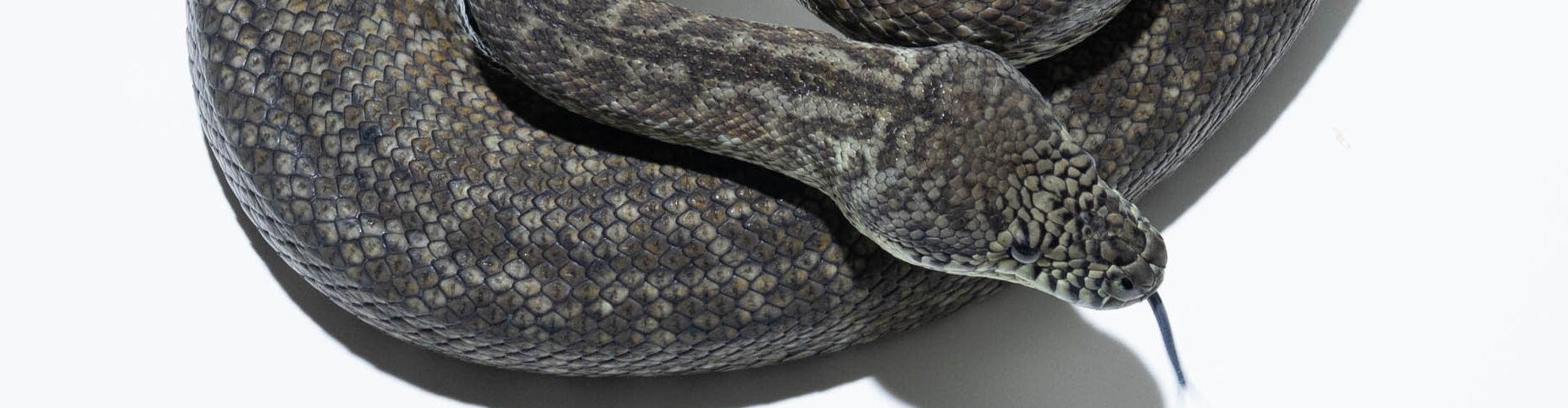
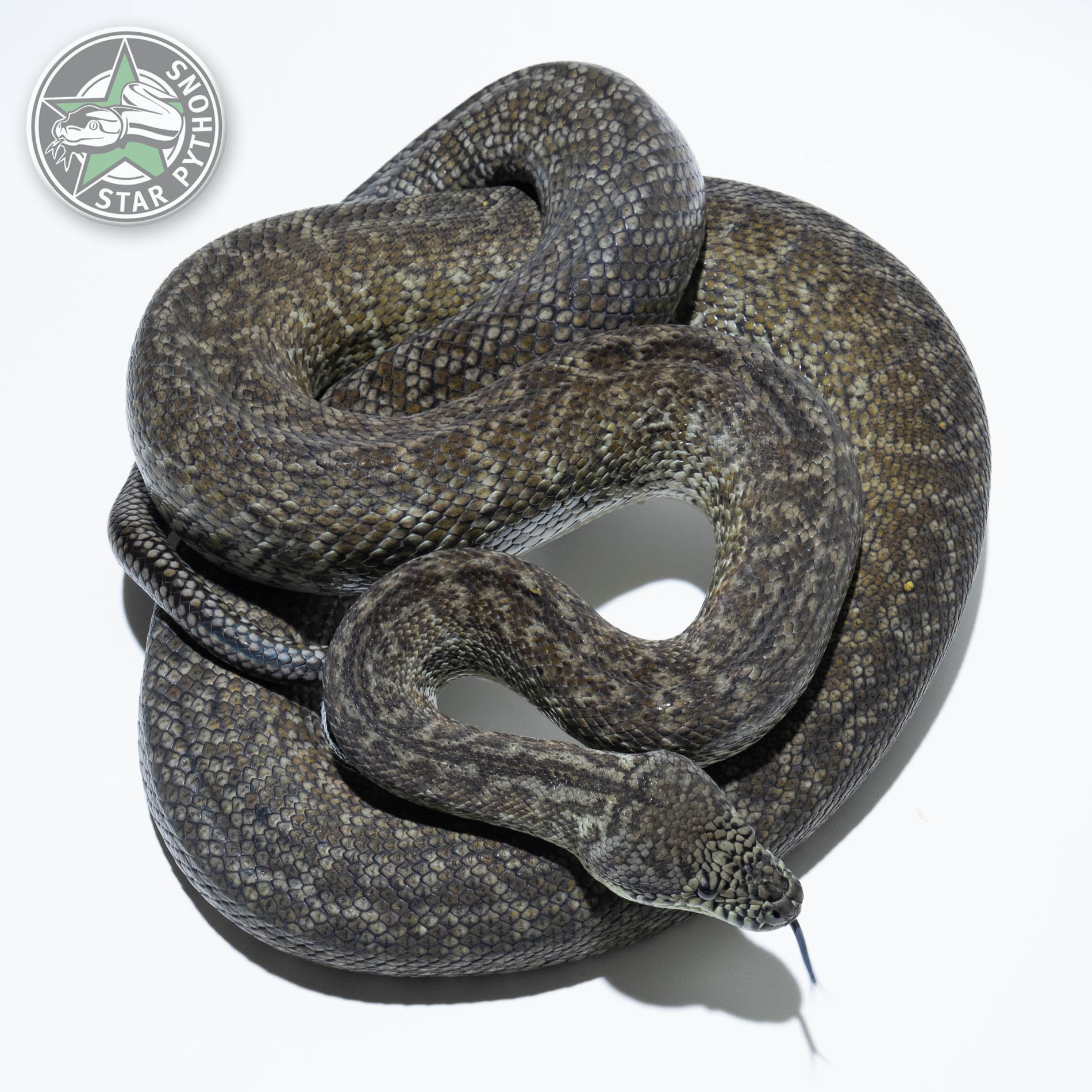
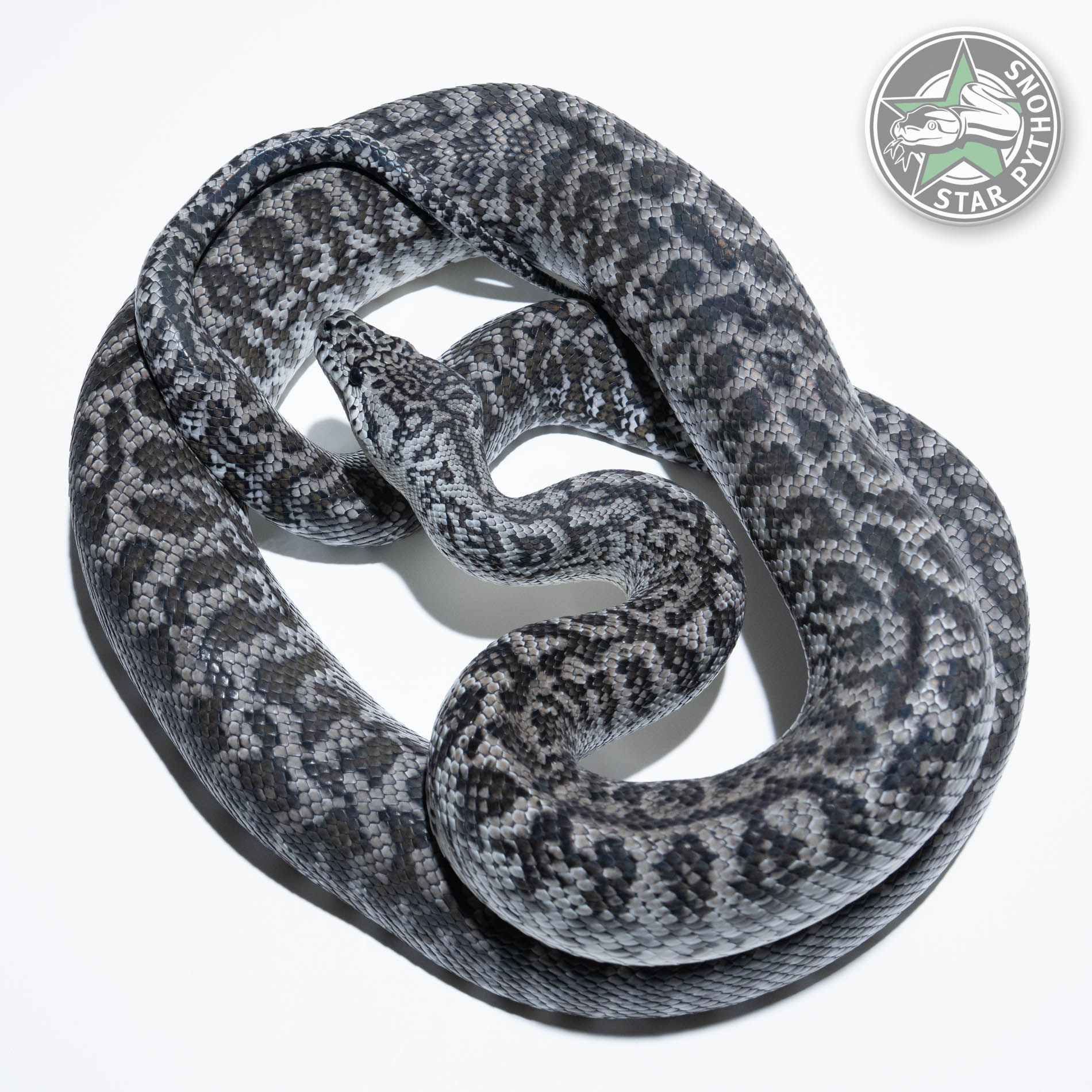
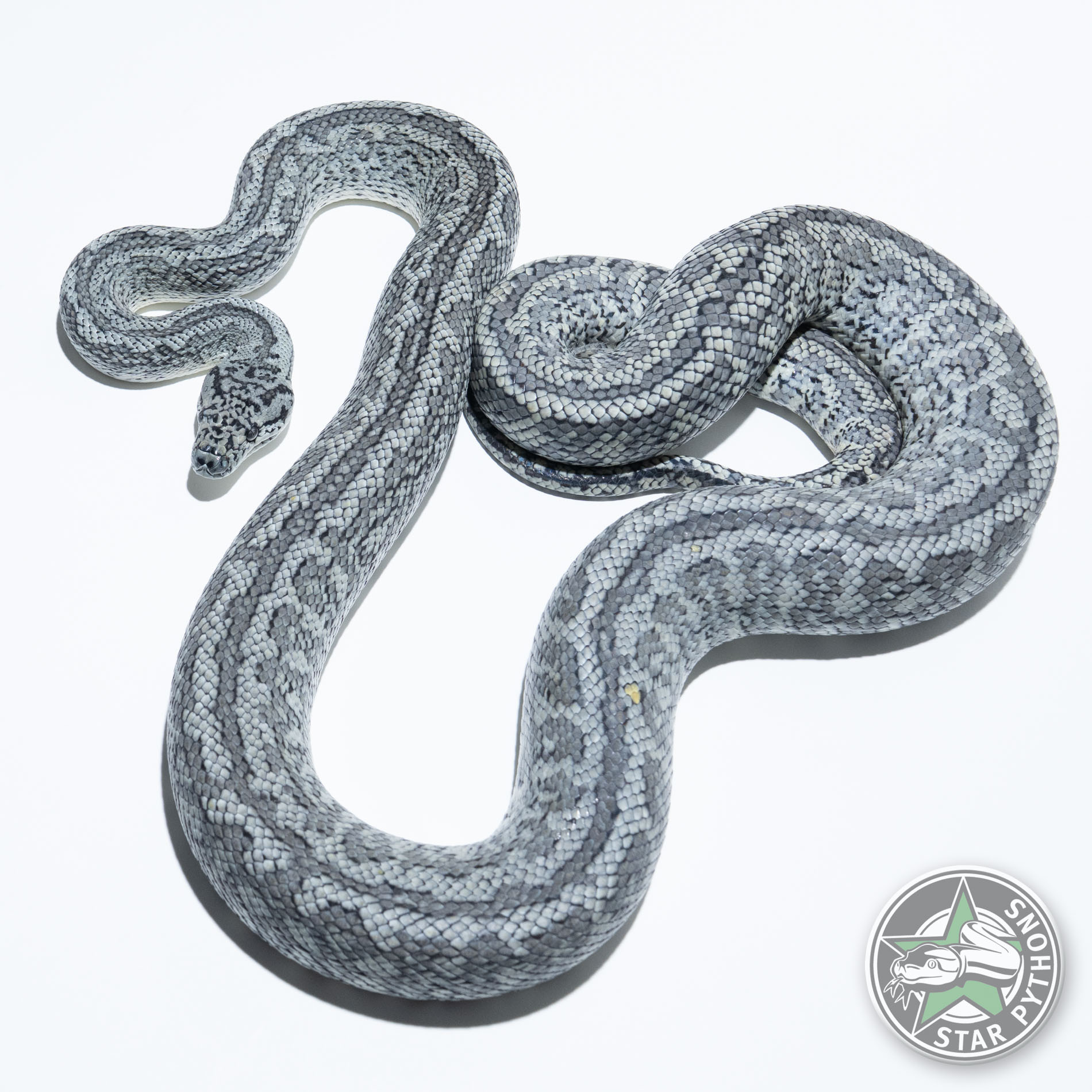
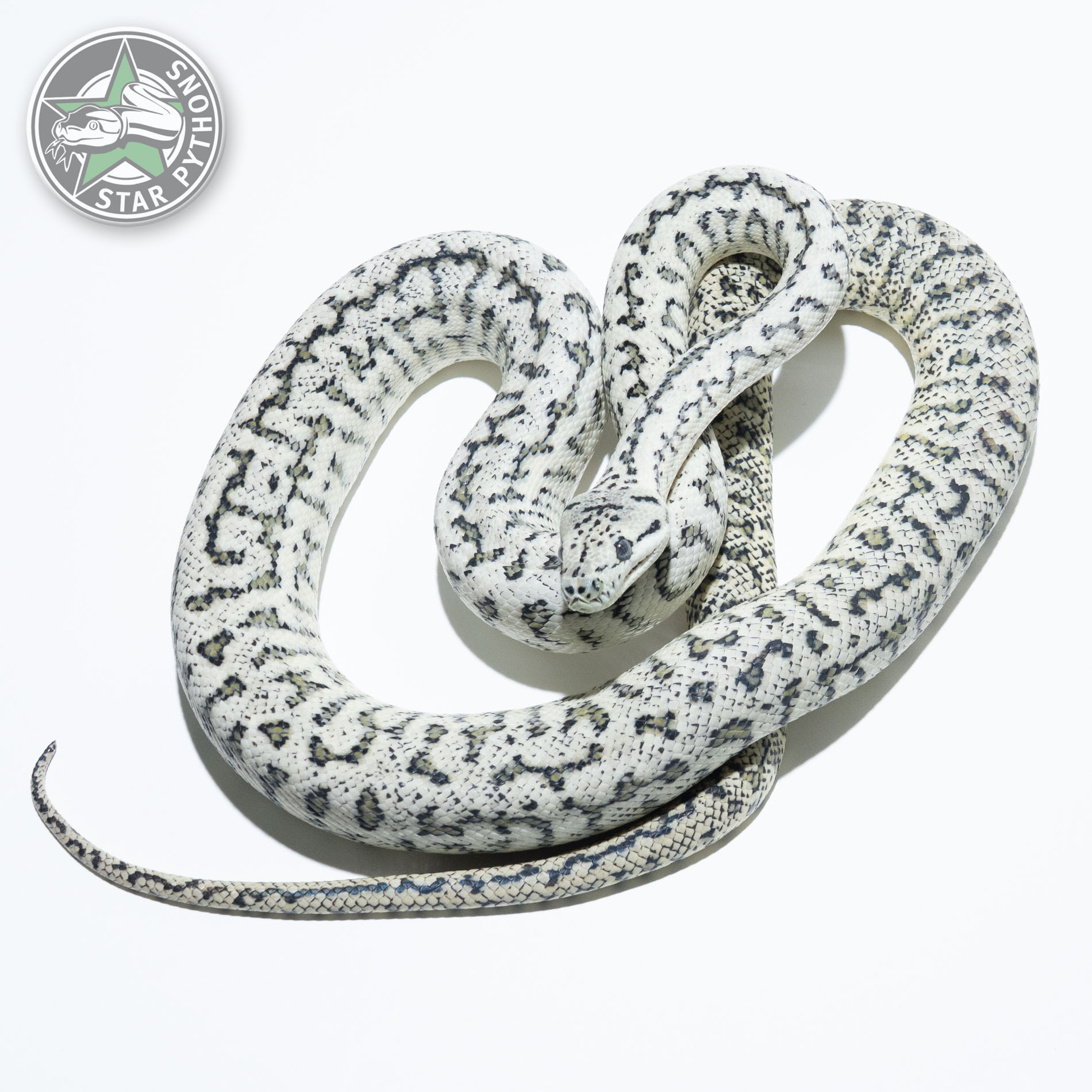
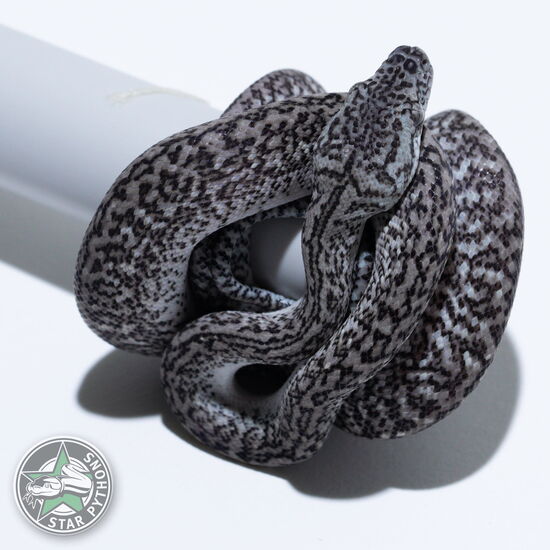
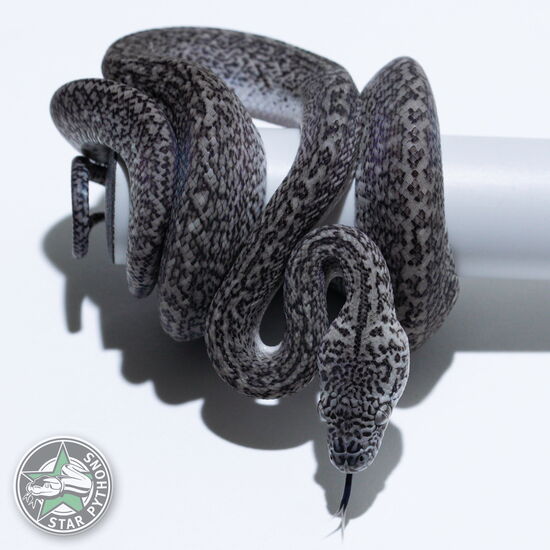
Granite Carpet Pythons are Morelia spilota harrisoni carrying a simple recessive morph that disrupts the regular pattern structure characteristic of Irian Jaya Carpet Pythons. Where wild-type harrisoni typically display a regular arrangement of saddles and lateral markings – often in warm browns and beiges with moderate contrast – Granite individuals display a heavily fragmented, irregular arrangement of individually pigmented scales – a texture that gives the morph its name. While the primary effect appears to act on pattern organisation rather than pigment chemistry, Granite animals frequently appear darker overall than wild-type harrisoni – suggesting that the redistribution of chromatophores into dense clusters may also influence the perceived colour intensity.
This page gives you a practical, breeder-oriented overview: what the Granite morph means biologically, how inheritance works, the history of the morph, and how Granite combines with other traits.
Quick link: Scroll down to granite carpet pythons for sale to see currently available animals.
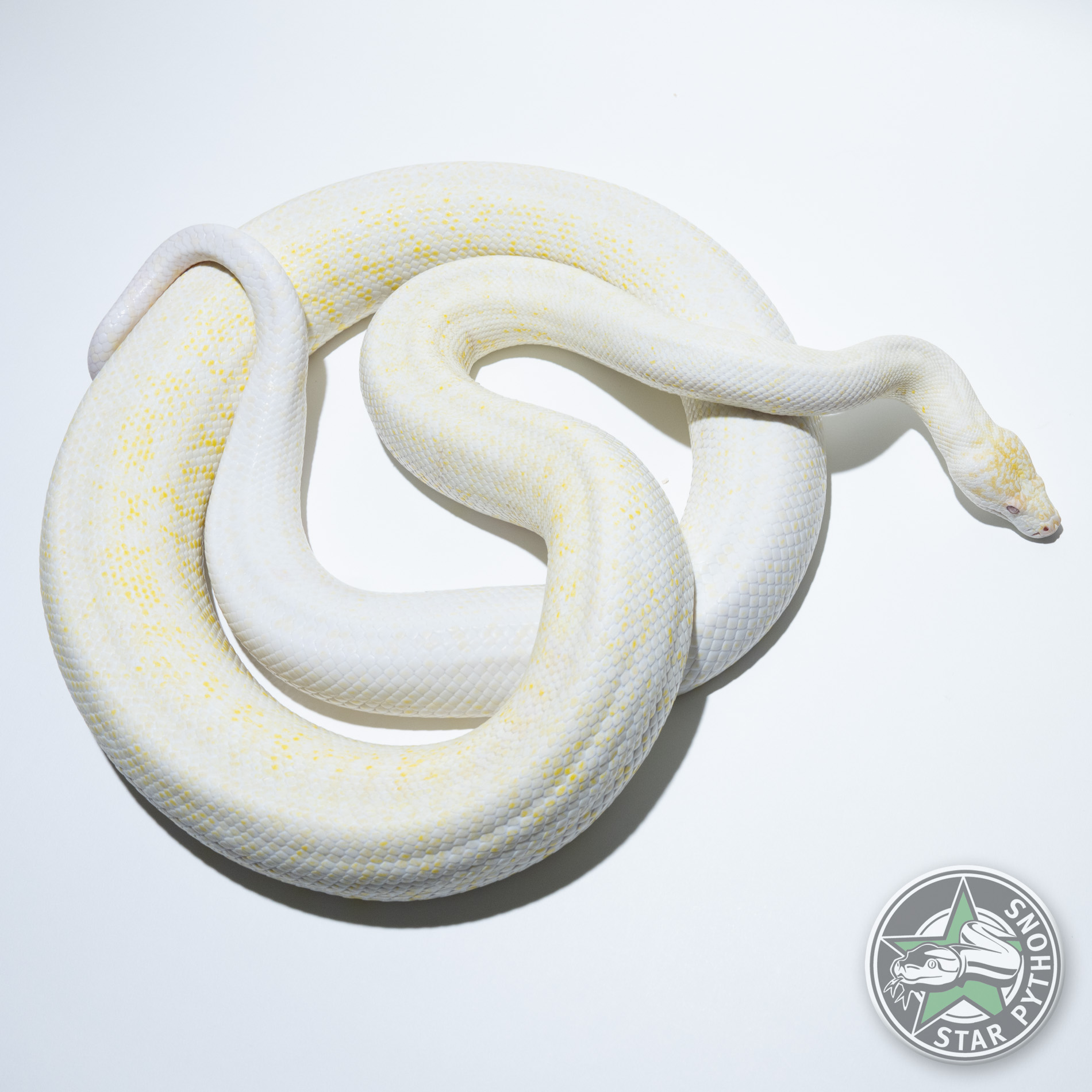
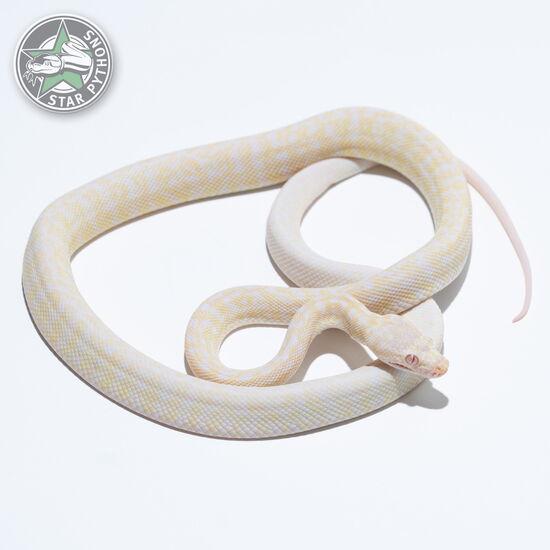
Snow Granite Carpet Pythons
Triple recessive · Albino + Axanthic + Granite · one of the rarest combinations in carpet python breeding
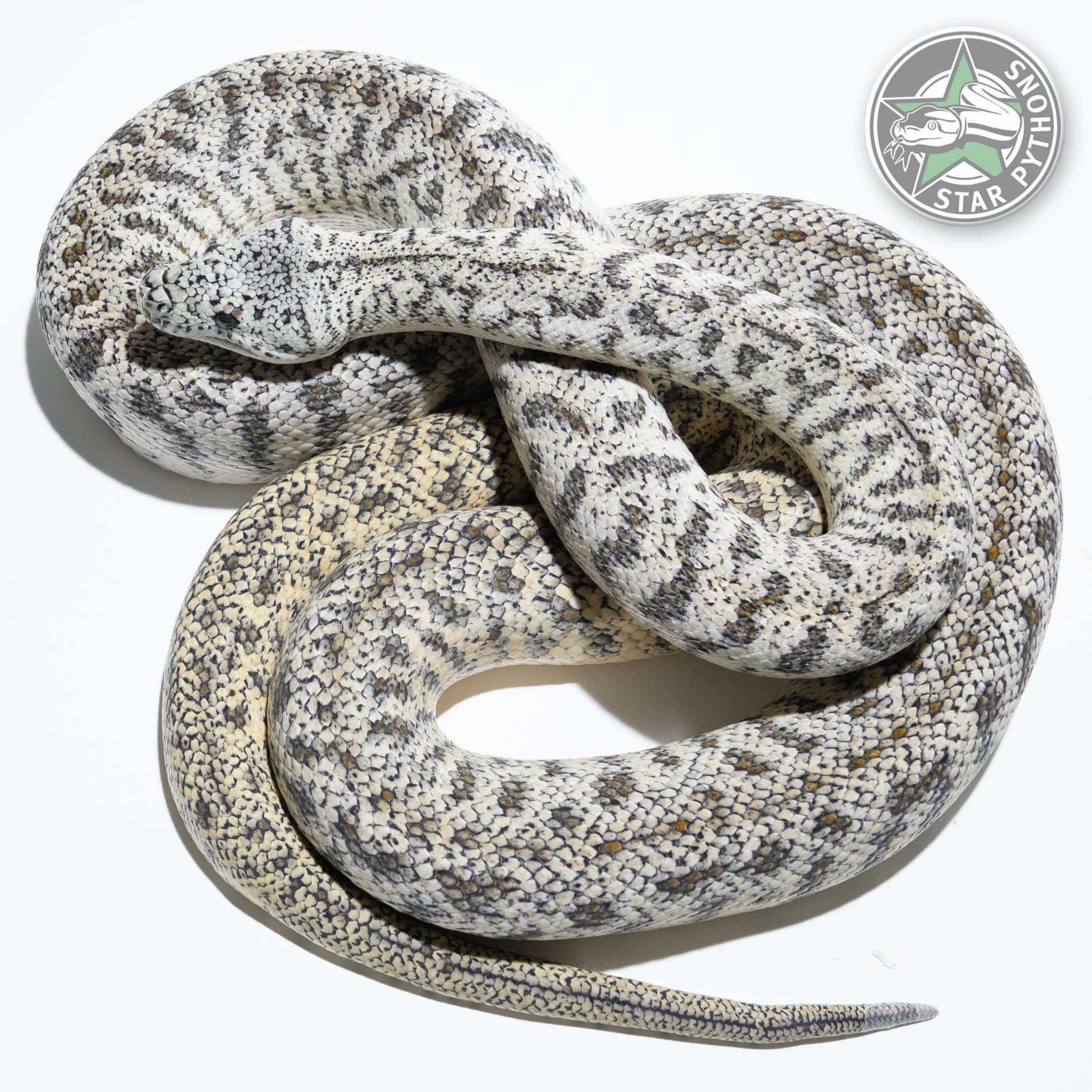
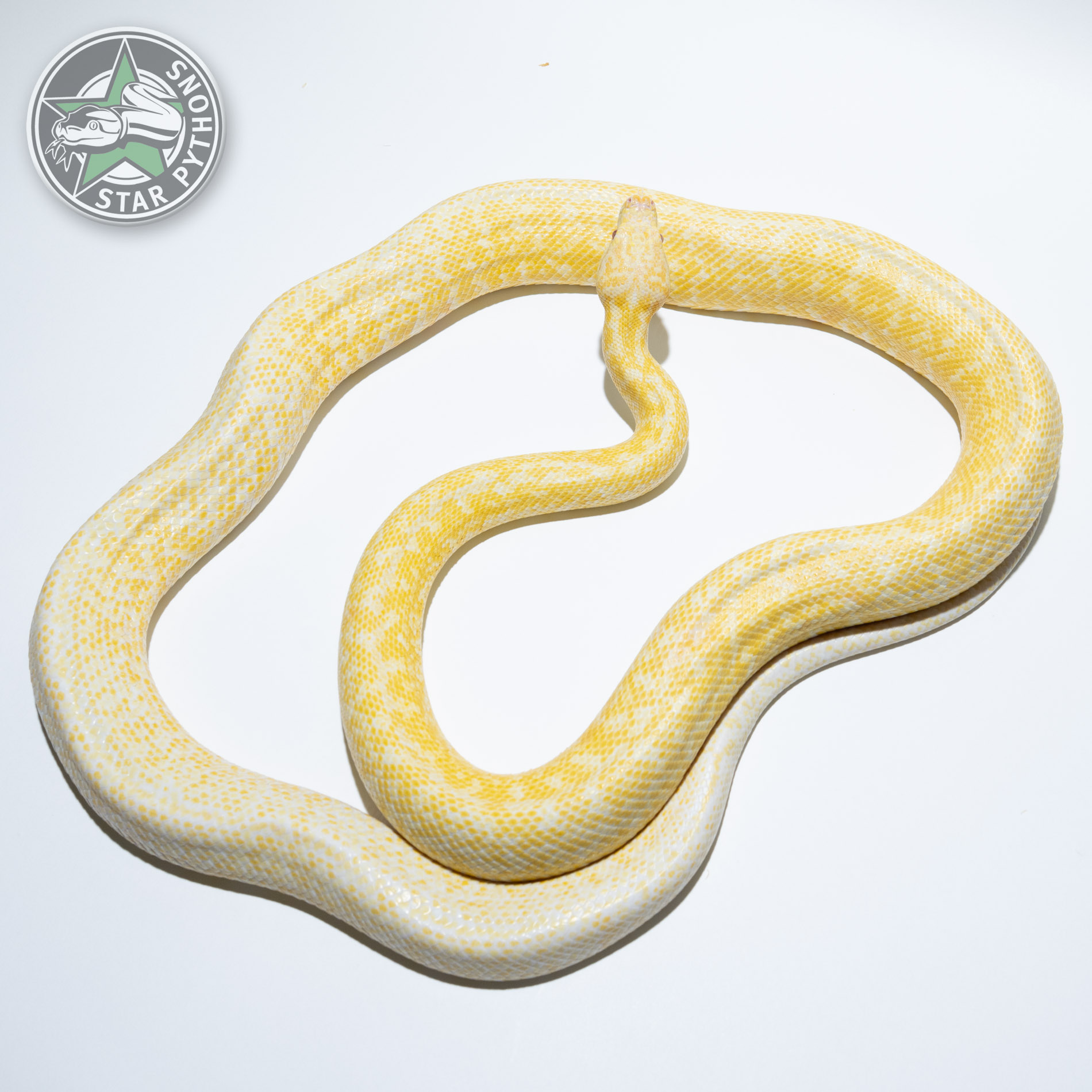
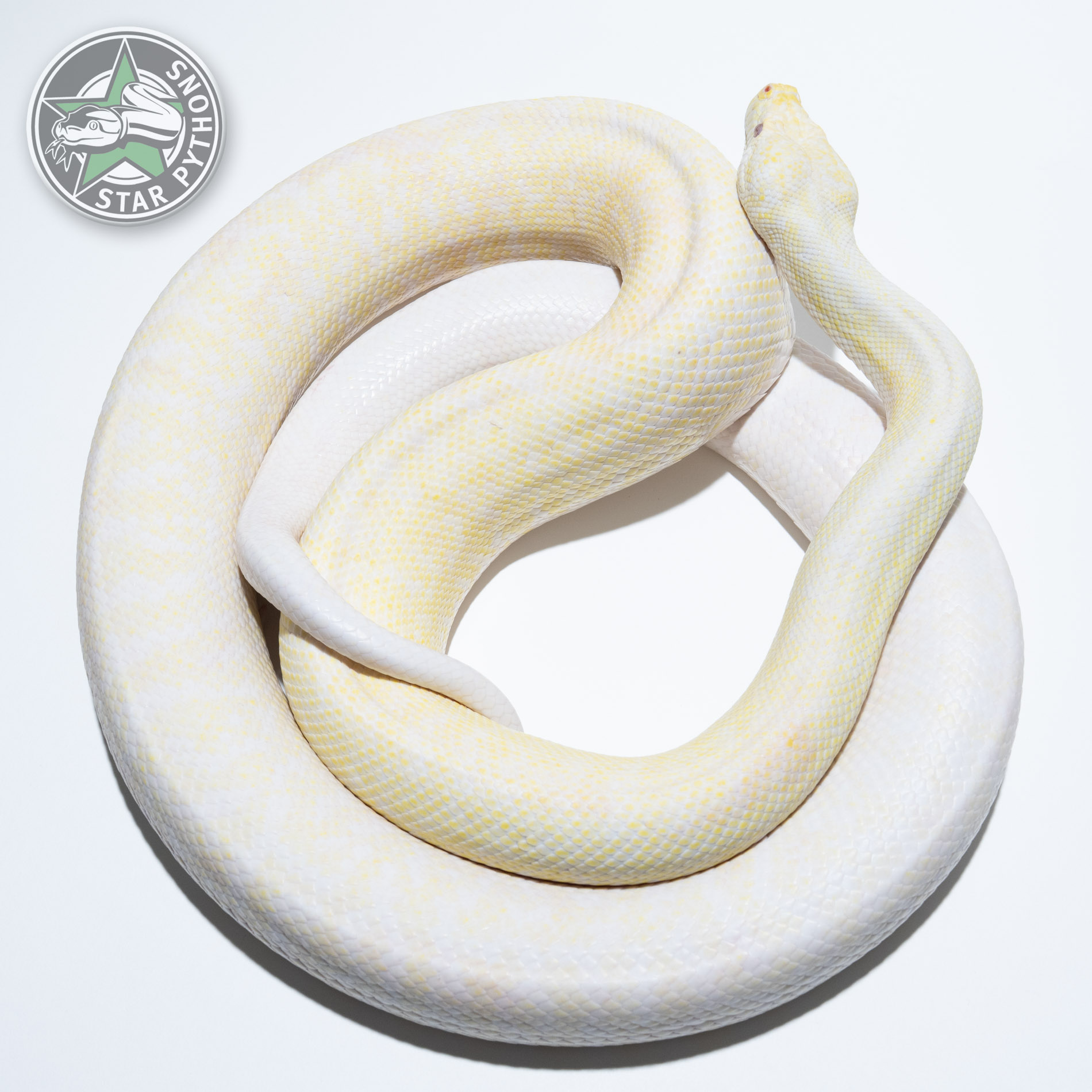
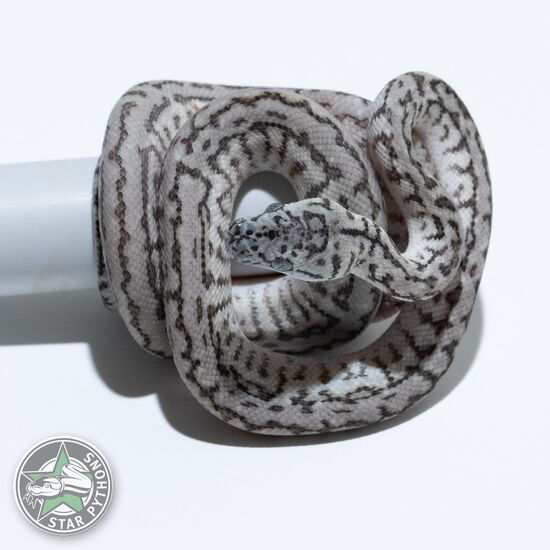
The Snow Granite represents the pinnacle of recessive carpet python genetics – a triple recessive combination of three independently inherited mutations: Darwin Albino (M. s. variegata), Axanthic (M. s. harrisoni) and Granite (M. s. harrisoni). Statistically, only 1 in 64 offspring from a triple heterozygous pairing will express all three mutations visually, making Snow Granites among the rarest morphs produced anywhere in the world.
Phenotypically, the Snow Granite combines the strong melanin reduction of the Albino morph with the yellow pigmentation reduction of the Axanthic, and overlays both with the fragmented, scale-by-scale pattern disruption characteristic of Granite. The result is a near-white animal with soft lavender and pale grey tones, whose pattern has dissolved into an almost ghostly mosaic. No two Snow Granites look exactly alike.
At StarPythons, we are proud to work with proven Snow Granite breeding animals – a male and a female, both produced from our own projects using pure IJ Granite and documented Axanthic lines. These animals represent years of careful planning across multiple generations of het breeding. Producing Snow Granites is not a matter of chance alone: it requires maintaining three separate recessive lines simultaneously, confirming genotype through test breeding, and accepting that most pairings will yield no visual animals at all. For us, that is precisely what makes this combination so meaningful.
What is the Granite Mutation?
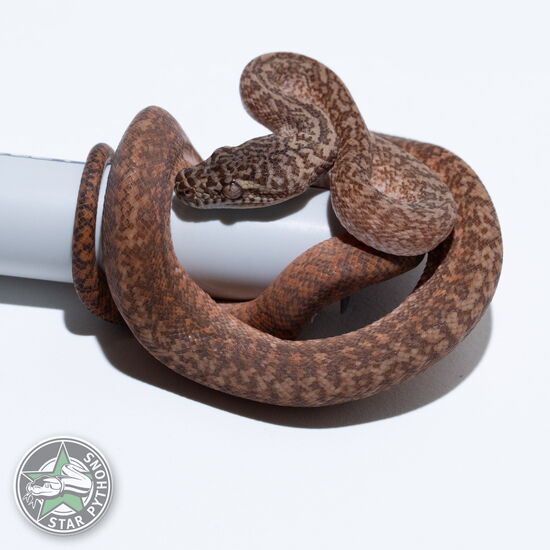
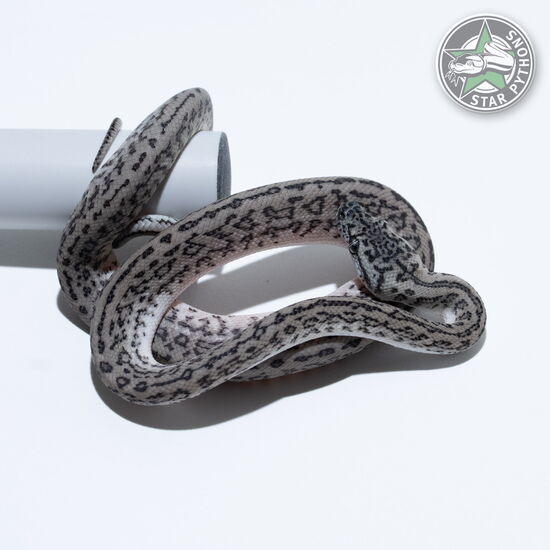
Granite is primarily a pattern morph – its most conspicuous effect is the disruption of spatial pattern organisation rather than a direct alteration of pigment chemistry. Wild-type Irian Jaya Carpet Pythons display a regular arrangement of dark saddles, lateral markings, and lighter interstitial areas. In Granite animals, this regular organisation is disrupted: the defined boundaries between pattern elements dissolve, and individual scales or small scale clusters become independently pigmented, producing the fragmented, grainy texture that gives the morph its name.
The pattern disruption extends to the head: where wild-type IJ animals typically display clearly defined head markings, Granite individuals show a reduced or diffuse head pattern, often appearing almost unmarked in comparison. The ventral surface is similarly affected – Granite animals frequently show a near-patternless, clean white or lightly speckled belly, in stark contrast to the often-mottled underside of wild-type specimens.
The available evidence suggests that the chromatophore complement in Granite animals – melanophores, xanthophores, and iridophores – remains intact. However, the dense clustering of pigment cells within fragmented scale groups may alter how colour is perceived overall, which could explain why many Granite animals appear darker than wild-type harrisoni despite no direct reduction in pigment production. What changes is therefore not which pigments are present, but how and where they are spatially expressed. The result is a breakdown of the spatial organisation that normally creates recognisable pattern elements.
This places Granite in a fundamentally different biological category than color-reducing mutations such as Albino (which strongly reduces or eliminates melanin production) or Axanthic (which reduces yellow pigmentation). Combining Granite with either of those mutations produces an animal where both the pattern architecture and one of the colour systems have been altered independently – which is why Granite combinations with colour morphs are so visually distinctive.
Like wild-type M. s. harrisoni, Granite animals undergo an ontogenetic color shift. Hatchlings often emerge with higher contrast and may display warm reddish or coppery tones in the lighter areas during the first months of life. As the animal matures, these tones typically fade and brighten, while the granite fragmentation remains the defining visual feature throughout the animal's life.
Biology and Genetics
Pattern Formation in Reptiles: What Science Shows
Reptile skin colour and pattern arise from the spatial interaction of three chromatophore types in the dermis: melanophores, which contain melanin and determine dark colouration; xanthophores, which carry yellow and orange pigments derived from pteridines and carotenoids; and iridophores, which generate structural color and brightness through light-reflecting guanine crystal platelets (Ullate-Agote et al., 2020).
In snakes, the arrangement of these chromatophores into visible pattern elements – saddles, blotches, stripes – is determined during embryonic development, well before hatching. A key insight from recent research is that this spatial organisation depends not just on which pigment cells are present, but on how they migrate, aggregate, and interact during development.
Tzika et al. (2024) demonstrated in corn snakes that the PMEL gene (Premelanosome Protein) plays a central role in how chromatophore progenitor cells initially distributed uniformly across the embryonic skin subsequently aggregate to form the blotches of the wild-type pattern. When PMEL is disrupted, this aggregation fails and a fragmented, stripe-like pattern results instead. This finding provides a biological framework for understanding how recessive pattern mutations in snakes can act: not by altering pigment biochemistry, but by disrupting the cell signalling and migration processes that create ordered spatial pattern.
The specific genetic mechanism underlying the Granite mutation in Morelia spilota harrisoni has not yet been identified at the molecular level. What the PMEL research does provide is a plausible model: a mutation affecting chromatophore organisation during embryonic development could produce exactly the kind of scale-by-scale pattern fragmentation that characterises Granite animals. Whether the same gene or a different element of the same developmental pathway is involved in Granite remains to be investigated.
History of the Granite Carpet Python Morph
The Granite mutation appeared spontaneously in a private collection in the Netherlands, in Irian Jaya Carpet Pythons (Morelia spilota harrisoni) kept by Piet Nuyten. Around 1994, Nuyten acquired a pair of wild-caught animals. Three years later he bred the pair, producing a clutch of 16 hatchlings, from which he retained one male and two females as holdbacks. When these animals reached breeding age, he paired them together – and from a clutch of 11 eggs, four hatchlings emerged with the distinctive fragmented pattern that would become known as Granite. The first visual animals were therefore produced around 2000–2001, making Granite one of the earlier recessive carpet python mutations to be established in European breeding programs.
Early animals were not widely distributed, and the mutation remained rare for several years after its first appearance. Because Granite is a simple recessive, visual animals could only be produced once het × het pairings were made – a process that requires knowing which animals carry the hidden allele, typically established only through test breeding.
Inbreeding depression emerged as a practical challenge in early Granite projects. With a small founding population, the coefficient of relatedness among breeding animals was inevitably high, and reduced vigour, fertility issues, and other signs of reduced genetic diversity were observed in some lines. Outcrossing to unrelated pure IJ animals was – and remains – the standard management practice to maintain the health and vitality of Granite projects over generations.
At StarPythons, we have worked with the original Piet Nuyten IJ Granite lineage since 2007, having acquired our founding animals directly from him. Maintaining pure M. s. harrisoni bloodlines with documented ancestry from the original Dutch founder population has been central to our Granite project from the beginning.
Inheritance: Practical Expectations
Granite is inherited as a simple autosomal recessive trait. A single copy of the Granite allele produces no visible effect – the animal appears wild-type but carries the mutation and can pass it on. Two copies are required for the Granite phenotype to be expressed. There is no known homozygous-lethal effect; Super Granites (homozygous animals) are viable and do not appear to differ visibly from single-copy visual animals.
For planning breeding outcomes:
- Granite × Normal → ~100 % het Granite (no visual Granites)
- het Granite × het Granite → ~25 % Granite, ~50 % het Granite, ~25 % Normal
- Granite × het Granite → ~50 % Granite, ~50 % het Granite
- Granite × Normal (unrelated) → ~100 % het Granite (used for outcrossing)
Because Granite is a recessive, no animals appear visual unless both alleles are present. This means that all offspring of a Granite × Normal pairing are carriers – they look exactly like wild-type IJ animals but carry one copy of the mutation. Keeping track of het animals across generations is essential for any recessive breeding project, and Granite is no exception.
A practical note on outcrossing: because inbreeding depression has been documented in some Granite lines, introducing unrelated pure IJ genetics periodically is strongly advisable. Outcrossing to a normal IJ produces a generation of het animals; from these, Granites can again be produced in the following generation. This approach maintains genetic diversity while keeping the project within a pure M. s. harrisoni framework.
References
Mutton, N., & Julander, J. (2022). The More Complete Carpet Python: A comprehensive guide to the natural history, care, and breeding of the "Morelia spilota" complex (Hardcover). ECO Publishing. ISBN-13: 978-1938850424
Tzika, A. C., Ullate-Agote, A., Helleboid, P.-Y., & Kummrow, M. (2024). PMEL is involved in snake colour pattern transition from blotches to stripes. Nature Communications, 15, 7655. https://doi.org/10.1038/s41467-024-51927-0
Ullate-Agote, A., et al. (2020). Genome mapping of a LYST mutation in corn snakes indicates that vertebrate chromatophore vesicles are lysosome-related organelles. Proceedings of the National Academy of Sciences, 117(42), 26307–26317. https://doi.org/10.1073/pnas.2003724117