FAQ - Coastal Carpet Pythons
Is the coastal carpet python suitable for beginners?
Yes – with appropriate preparation. The coastal carpet python is arguably the most beginner-friendly member of the carpet python complex. It tolerates a wider range of temperatures than the diamond python, feeds readily, and is generally robust and forgiving of minor husbandry imperfections. However, potential keepers should be aware that these snakes can grow quite large – particularly males – and even a tolerant coastal carpet python is a powerful animal that deserves respect and confident handling.
How big does a coastal carpet python get?
Most adults reach 2.0 to 2.5 m (6.5 to 8 ft) in total length. Exceptional specimens – particularly males – can exceed 3 m (10 ft). The largest reliably recorded individual measured 3.5 m (11.5 ft) and weighed 22.3 kg (49 lbs) (Hollis, 2002, as cited in Mutton & Julander, 2022), though this was clearly exceptional and almost certainly reflects a recently fed animal. For most keepers, a snake in the 2 to 2.5 m range is the realistic expectation.
Are coastal carpet pythons aggressive?
No. While individual temperament varies, coastal carpet pythons are generally considered among the more docile carpet python subspecies. Hatchlings and juveniles can be defensive and nippy – this is completely normal defensive behaviour and typically subsides with regular, gentle handling over the first few months. Adults from well-managed captive-bred lines are usually calm and manageable. That said, any large python can deliver a painful bite if startled or fed incorrectly, so respectful handling practices are always important.
What is the difference between a coastal carpet python and a jungle carpet python?
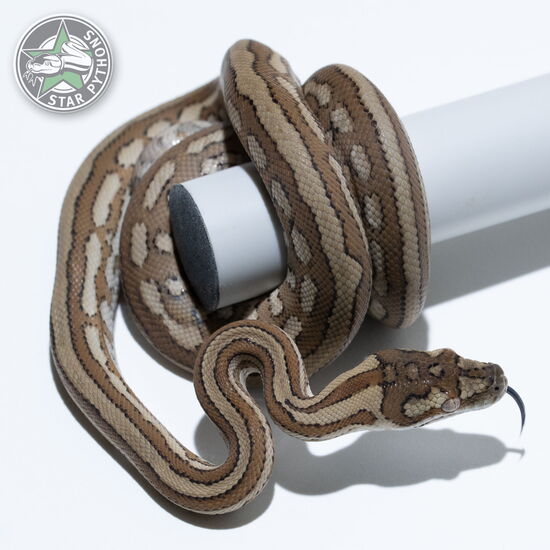
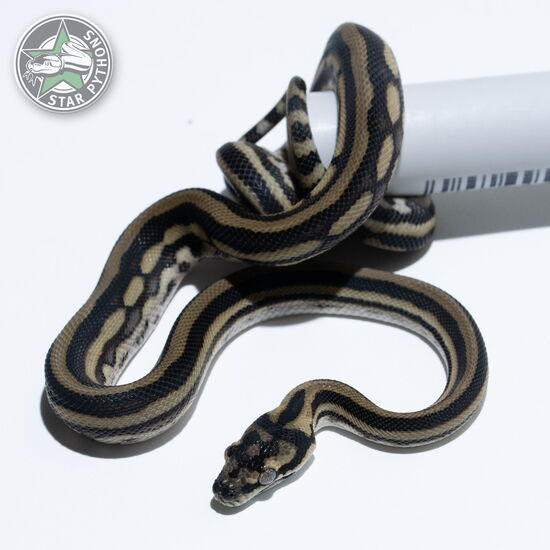
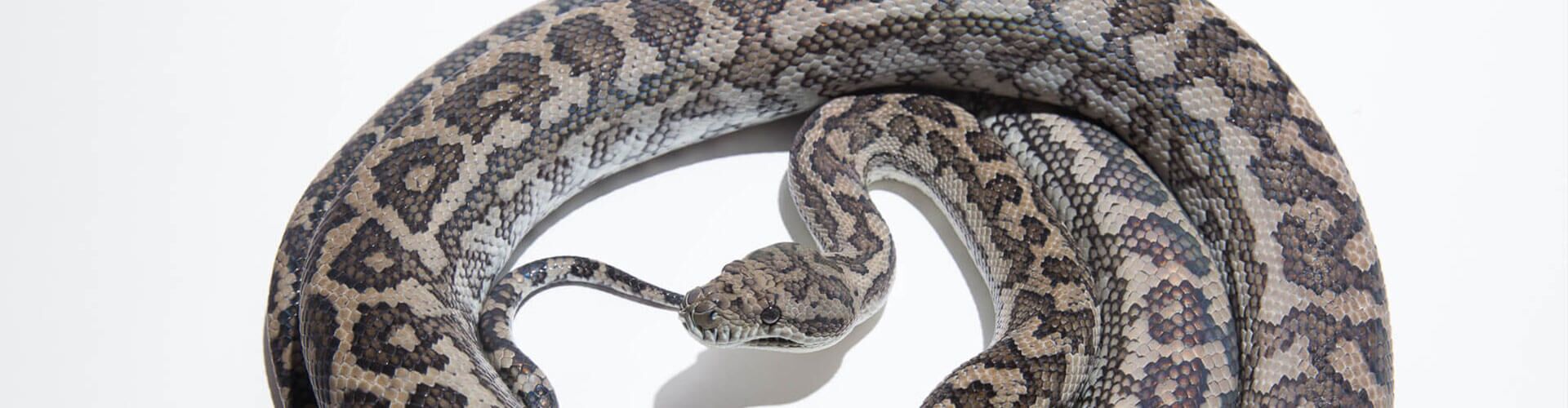
In the traditional classification used throughout the hobby, the coastal carpet python (M. s. mcdowelli) and the jungle carpet python (M. s. cheynei) are treated as separate subspecies. Visually, jungle carpets are typically smaller, more slender, and display the iconic black-and-gold colouration associated with the Atherton Tablelands, while coastal carpets tend to be larger, more robust, and more variably patterned. In captivity, coastal carpet pythons generally tolerate somewhat warmer conditions and grow considerably larger. As discussed in the taxonomy section, recent genetic research suggests the boundary between these two subspecies may be more complex than traditionally assumed – but for practical purposes in herpetoculture, the distinction remains useful and widely recognised.
What is the difference between a coastal carpet python and a diamond python?
The diamond python (M. s. spilota) is a cool-adapted subspecies from southeastern Australia with a distinctive black base colour and contrasting yellow-white rosettes. It requires significantly cooler temperatures and a more pronounced winter rest than the coastal carpet python. Coastal carpets are larger, more variably patterned, and come from a warmer subtropical climate. The two subspecies come into contact in a transition zone in the mid-coast region of New South Wales, where intergrades with intermediate characteristics can occur. In captivity, the care requirements differ substantially – particularly regarding temperature management – so it is important to know which subspecies you are keeping.
How much does a coastal carpet python cost?
Prices vary significantly depending on age, morph, lineage, and origin. Wild-type captive-bred hatchlings are generally among the most affordable carpet pythons, while rare morph combinations and proven breeders command premium prices. Rather than focusing on price alone, pay attention to responsible breeding practices, health status, and documentation. Browse our current availability below to see pricing for your region.
Where can I buy a coastal carpet python?
We recommend buying directly from an experienced, reputable breeder – like StarPythons. A good breeder will take the time to answer your questions, show you their animals and breeding facility, and provide full documentation including proof of origin. Avoid anonymous sellers on reptile exchanges or dubious online listings where the health history, lineage, and subspecific identity of the animal are unknown.