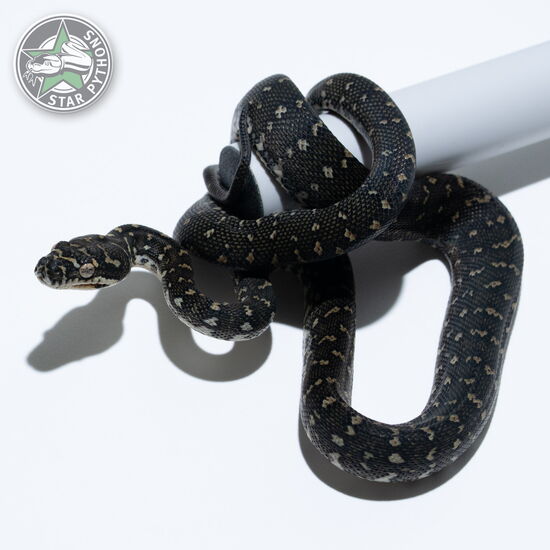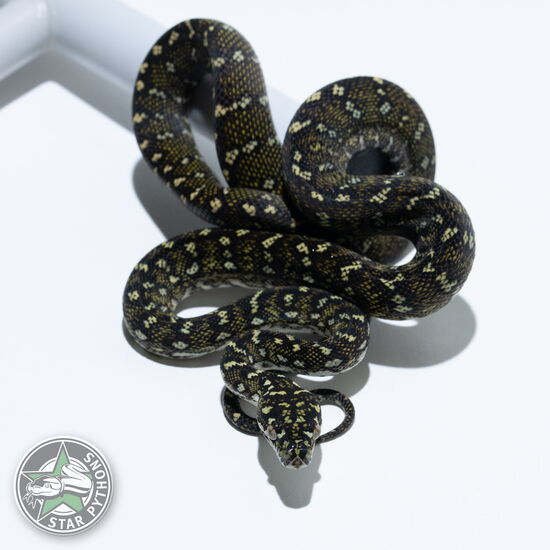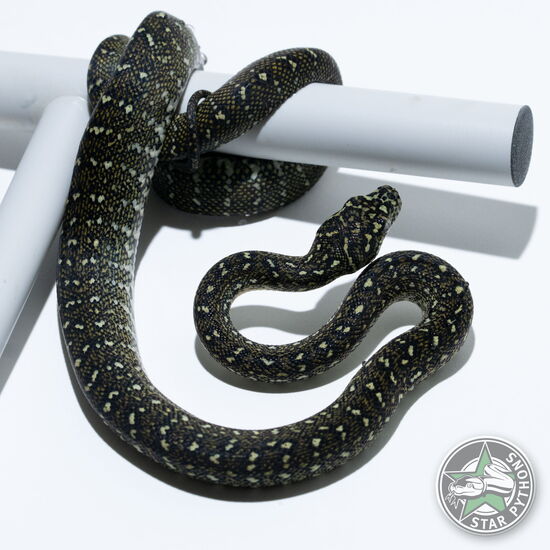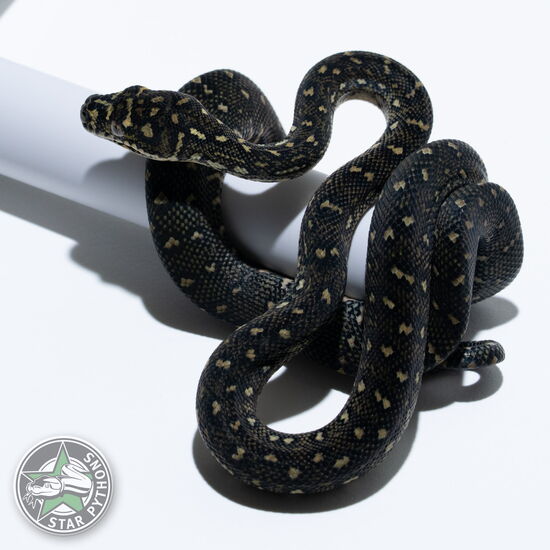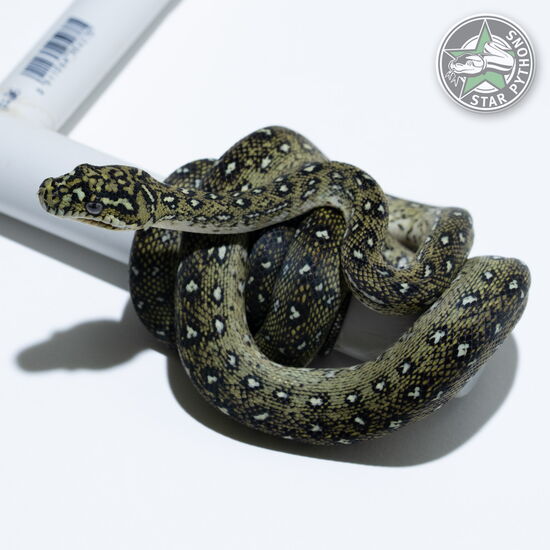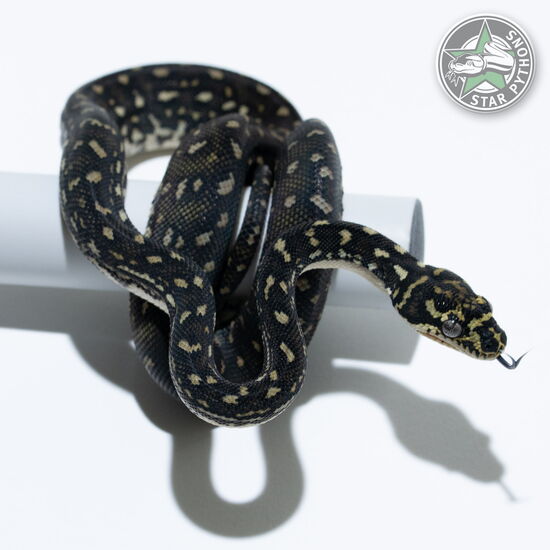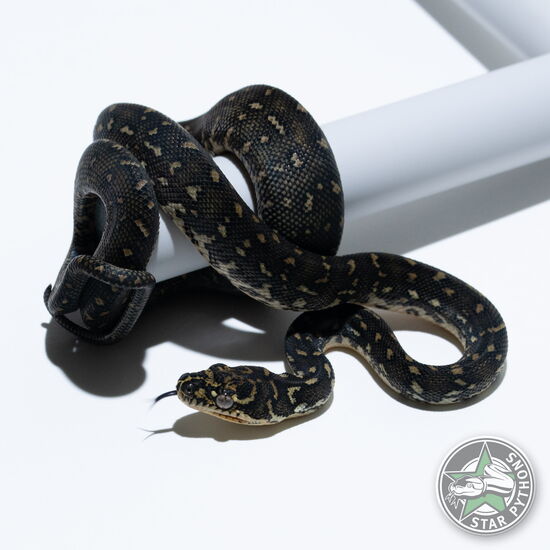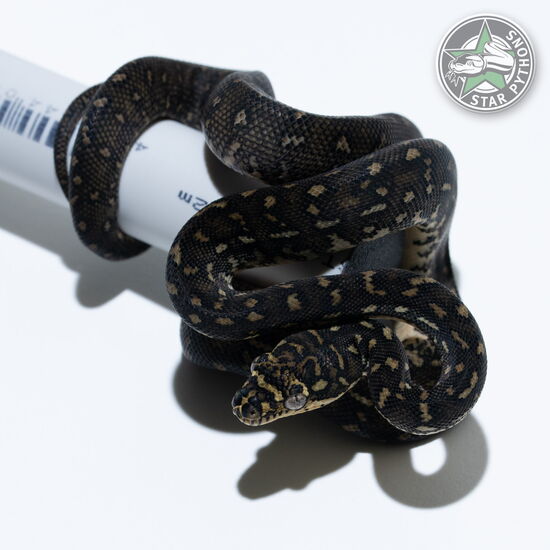
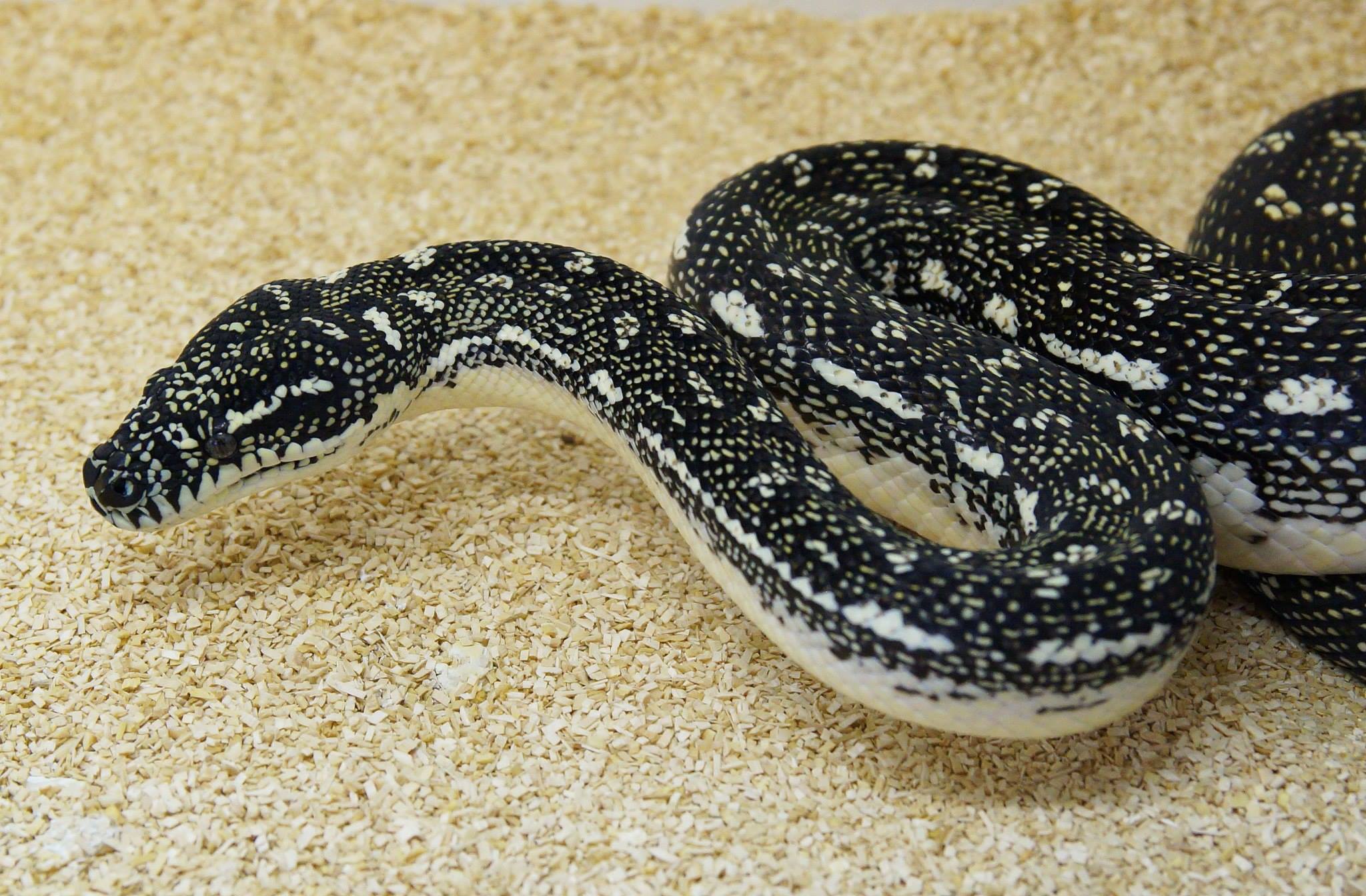
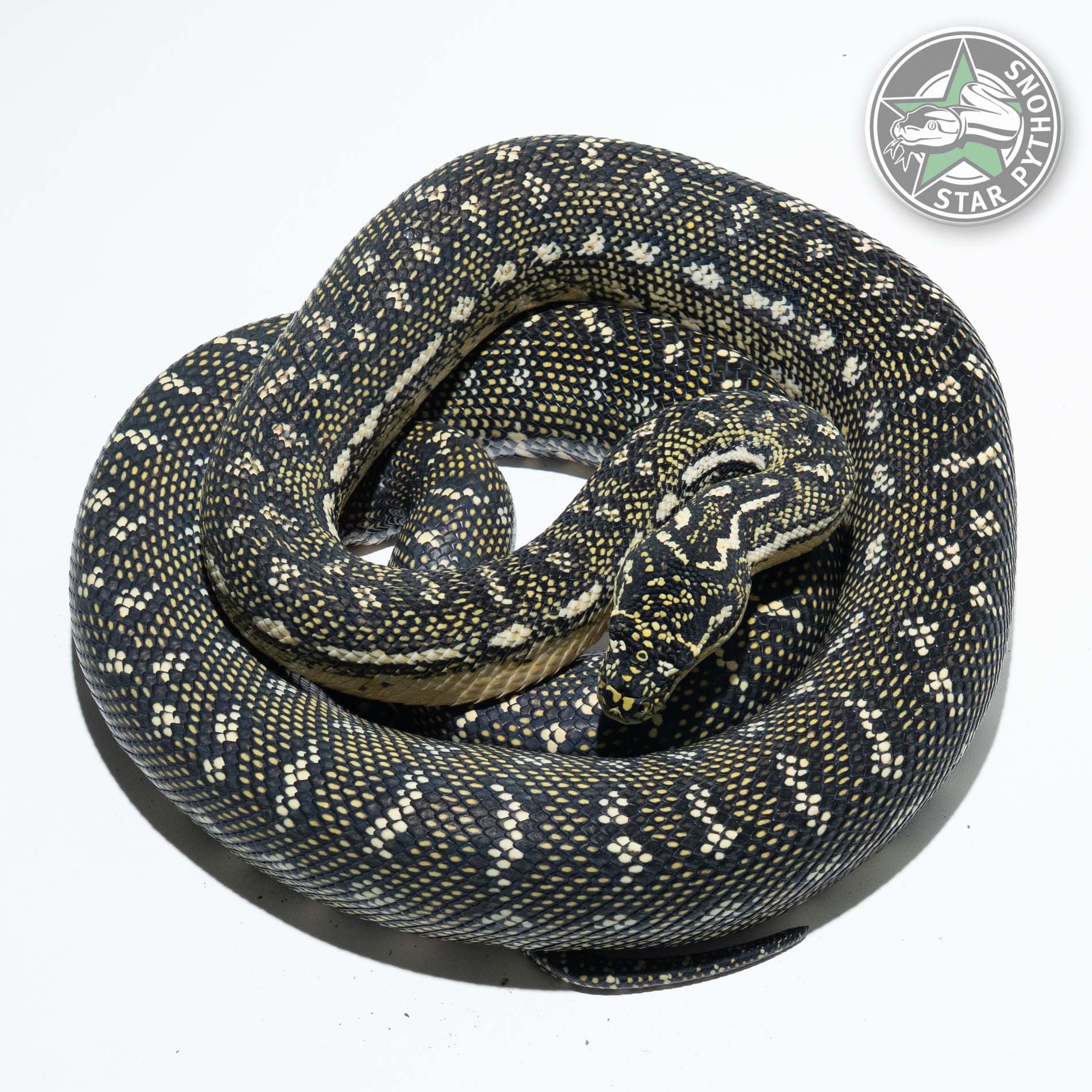
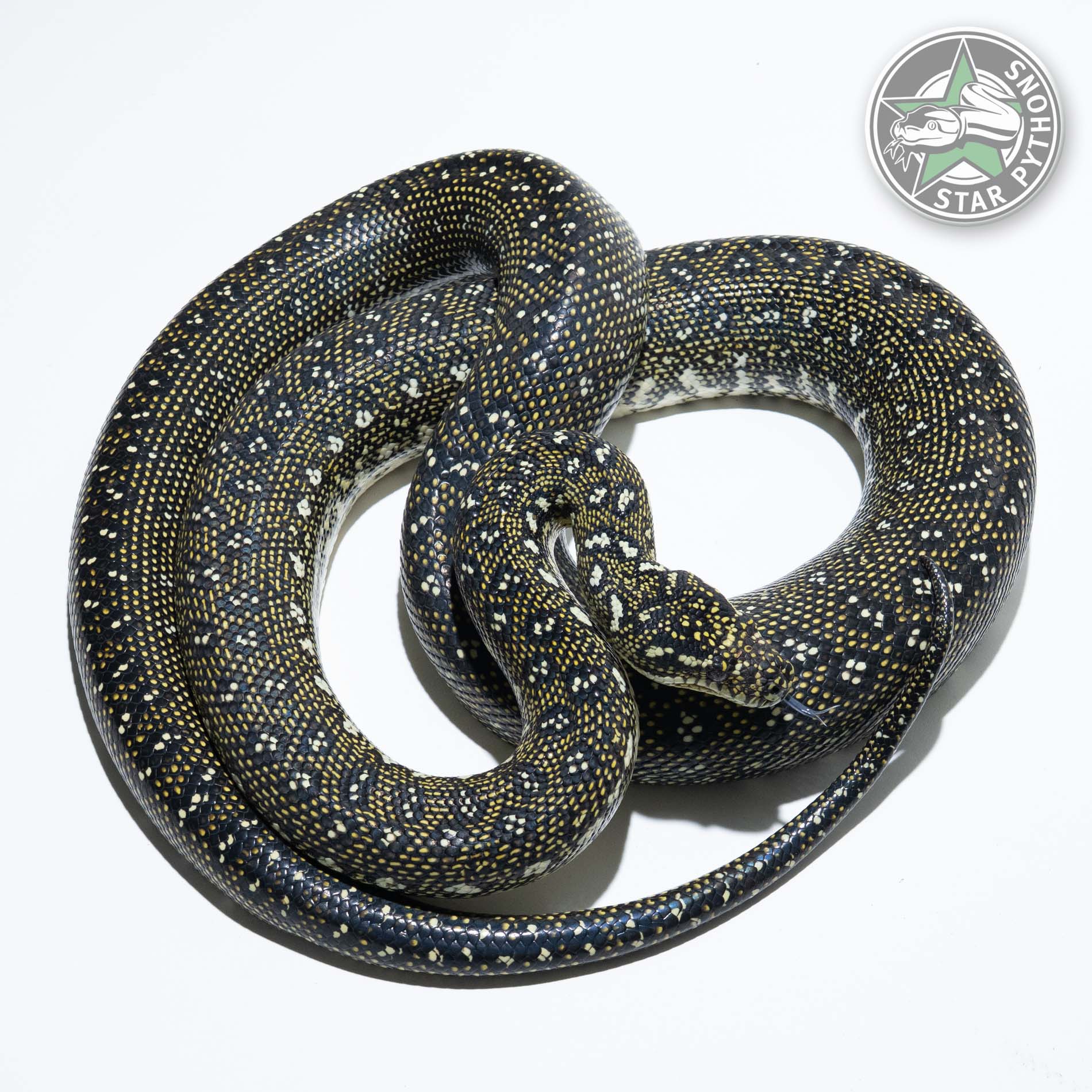
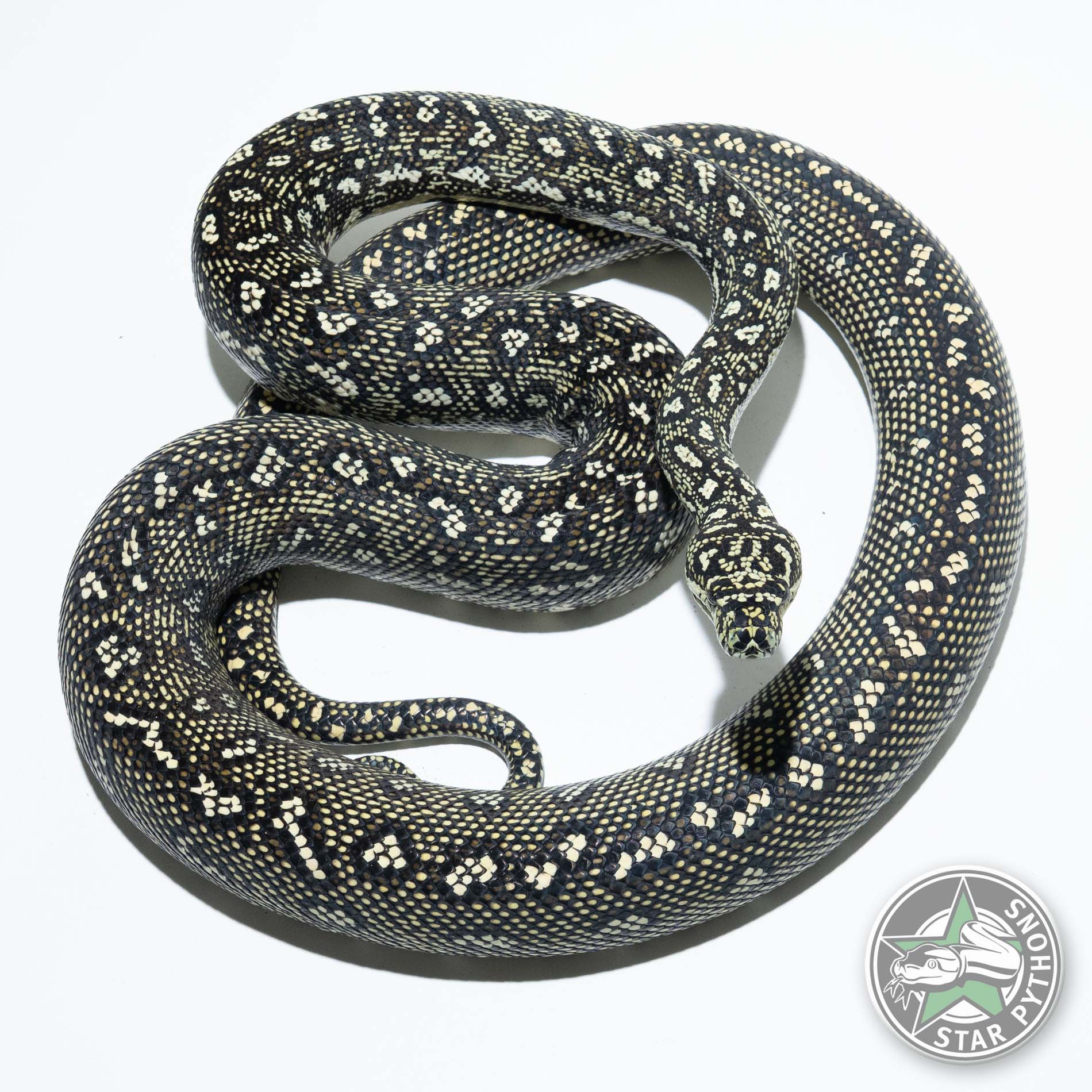
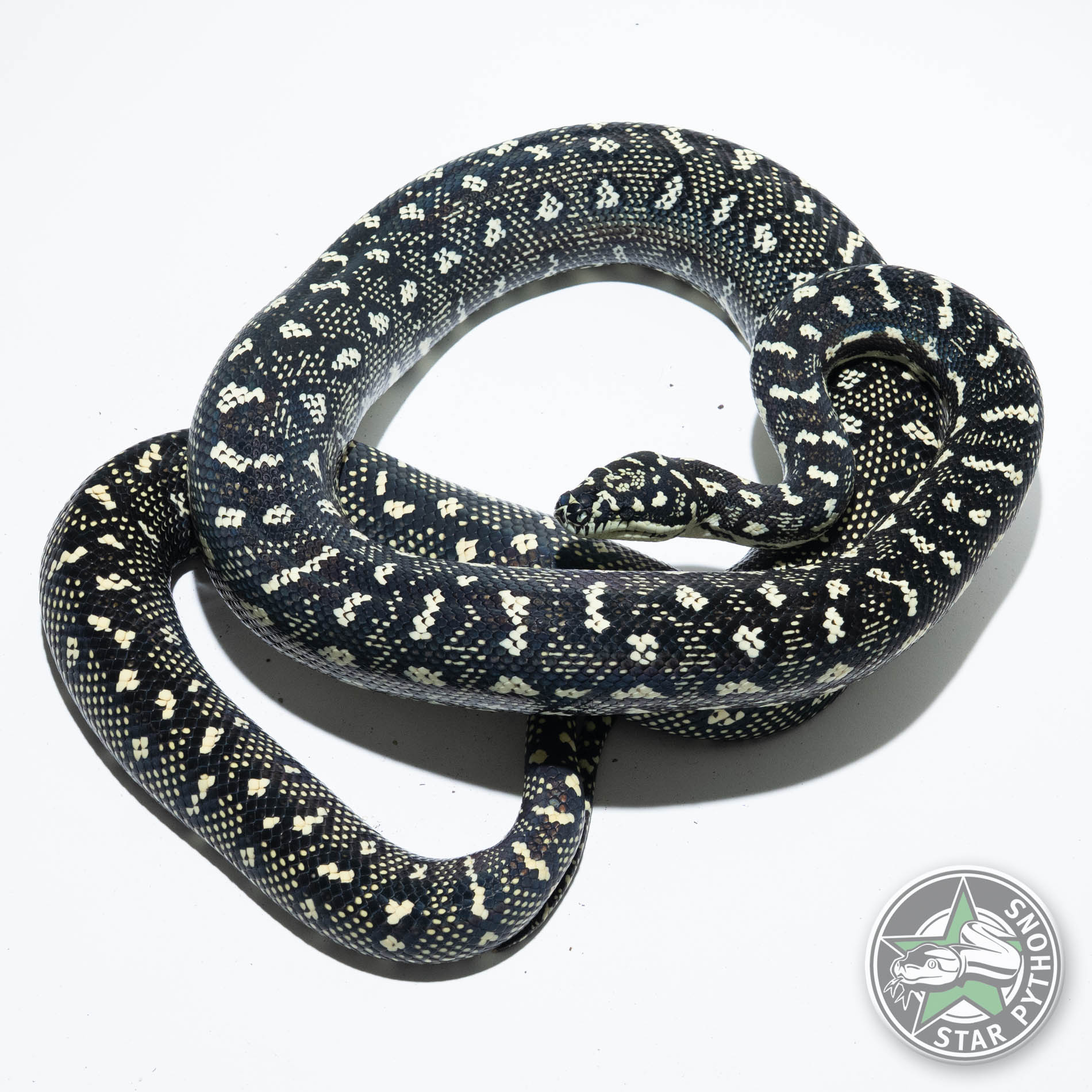
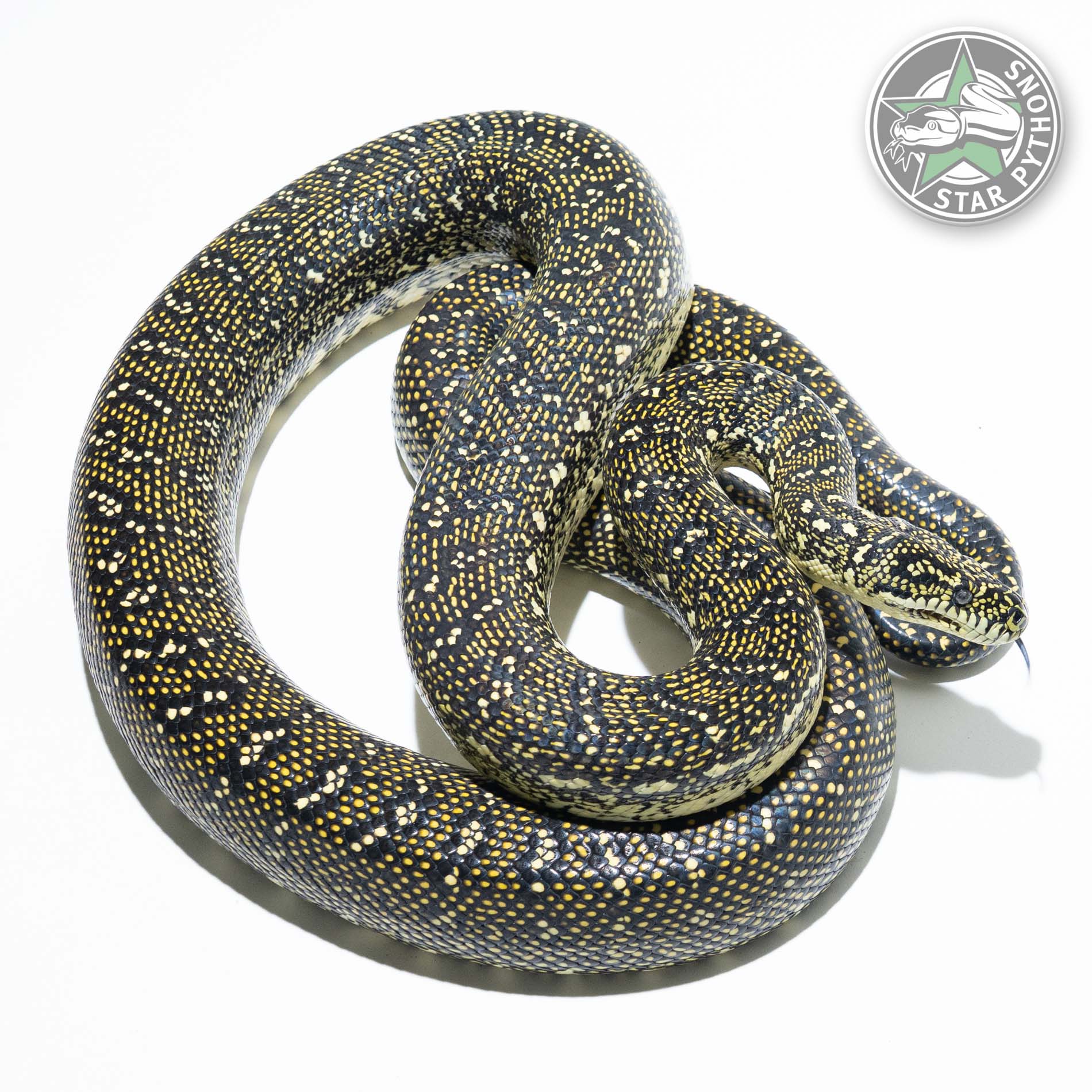
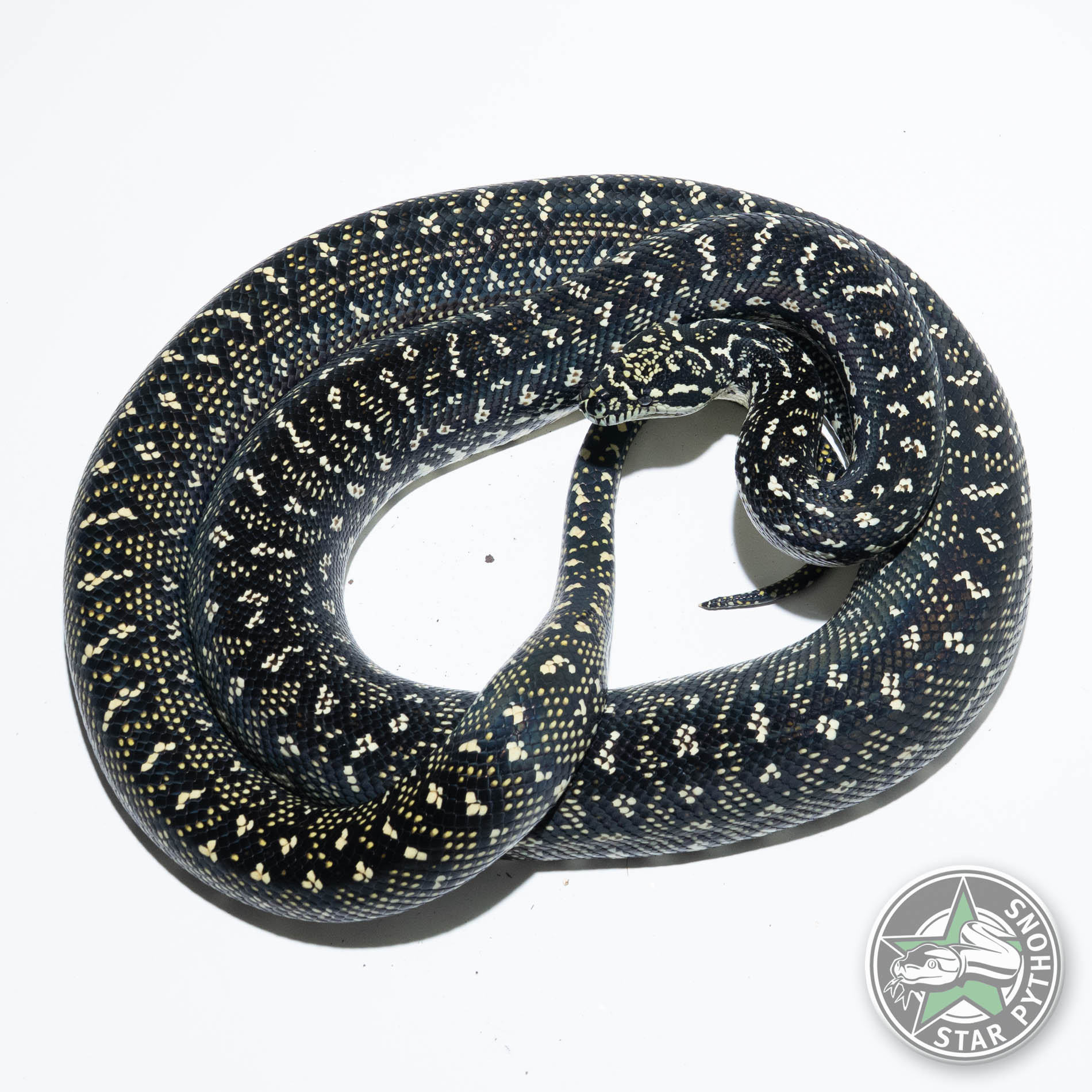
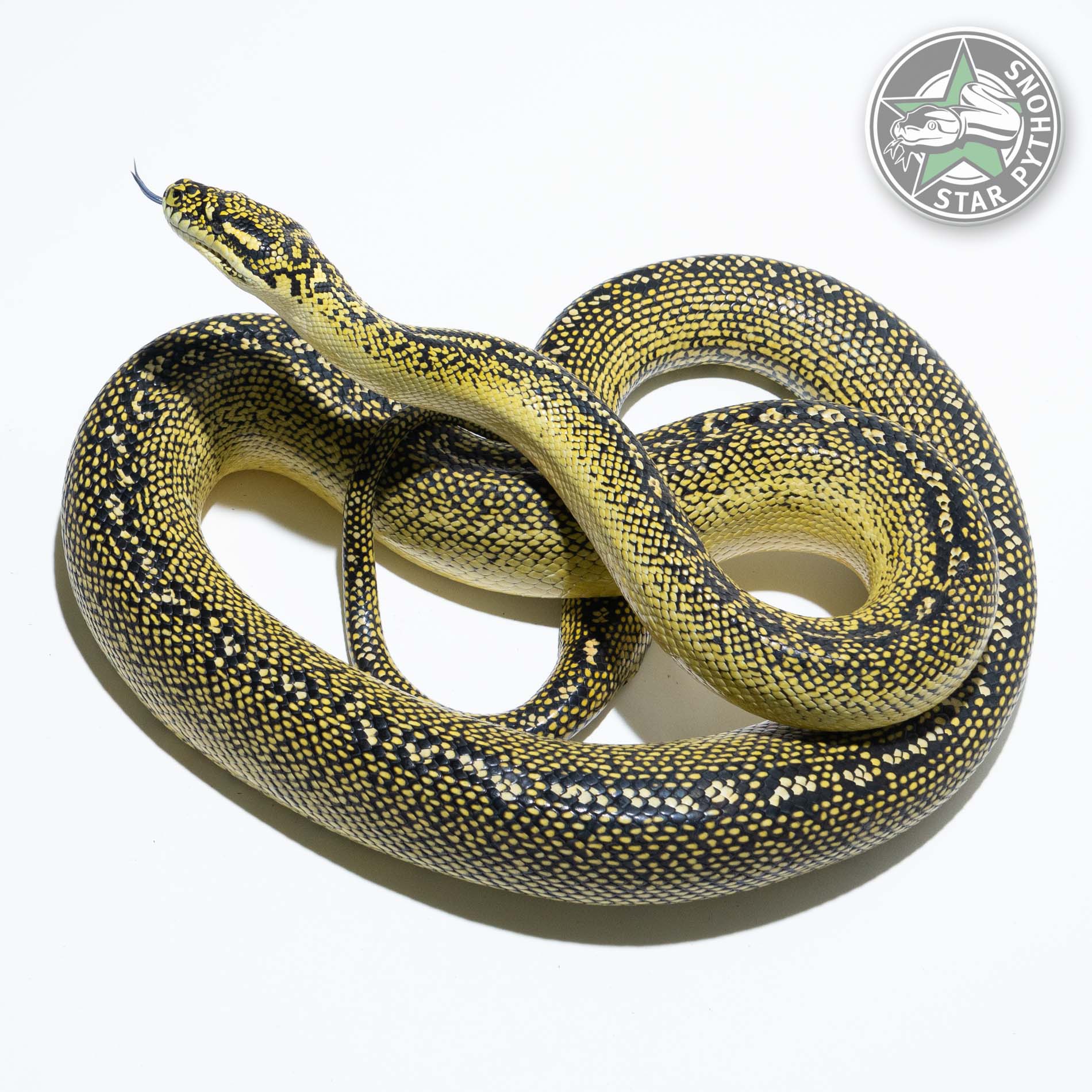
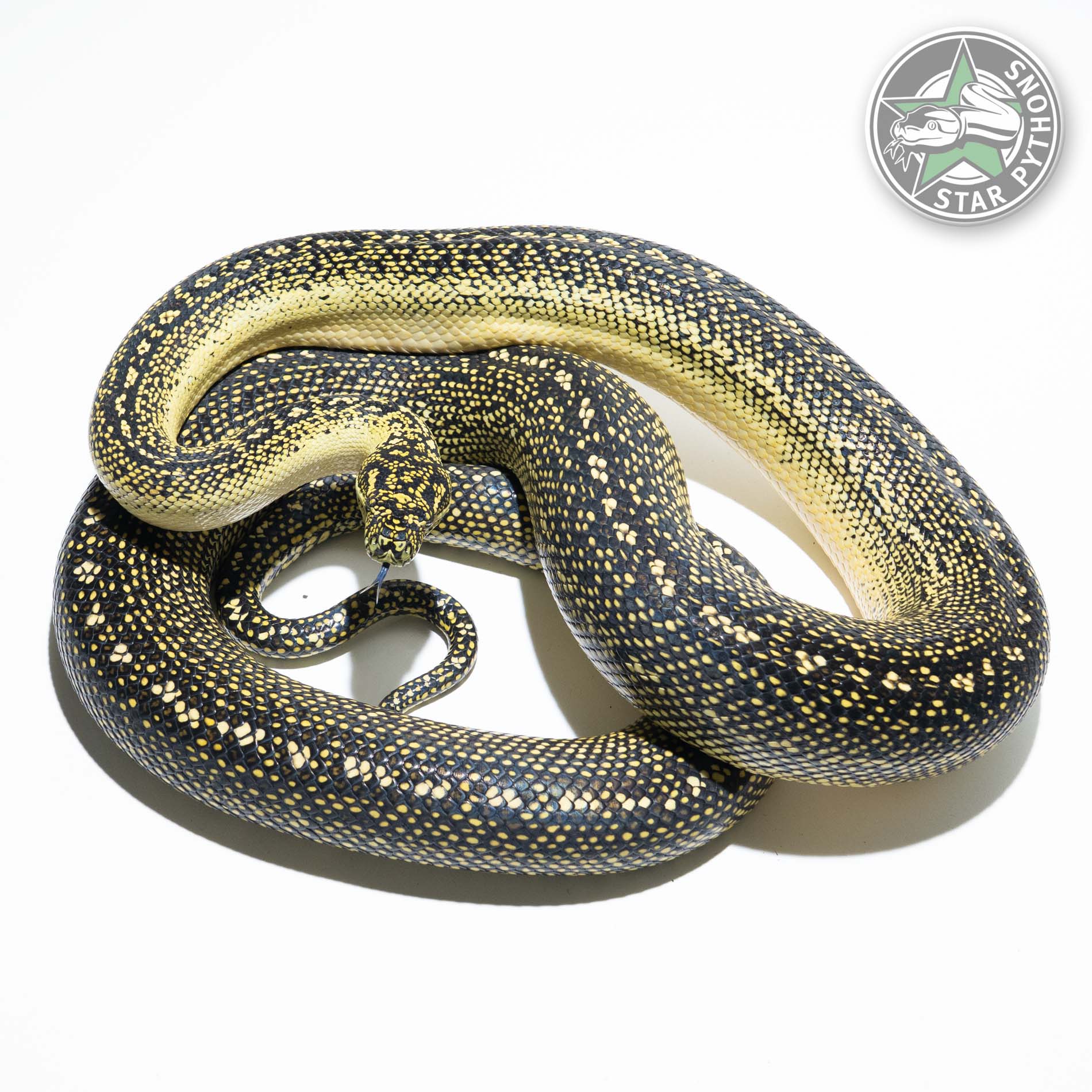
Morelia spilota spilota – Diamond Python

Buying a Diamond Python: Everything You Need to Know

The diamond python is one of the most visually stunning pythons in the world – and one of the most rewarding to keep. At StarPythons, we have been breeding diamond pythons for years, with a focus on health, genetics, and animal welfare. On this page, you will find everything you need to know before buying one: from species biology and terrarium setup to feeding, breeding, and what to look for when choosing your animal. Our guide draws on firsthand breeding experience as well as the scientific field studies of David Slip and Richard Shine – the leading diamond python researchers.

Looking for a diamond python? Browse our diamond pythons for sale below.

Quick Facts: Diamond Pythons at a Glance

Feature Details
Scientific Name Morelia spilota spilota
Size 2,0-2,5 m (6-8 ft)
Life Expectancy 20-25 Years
Cage Size 120 x 70 x 80 cm / 4 x 2.5 x 2.5 ft (L x W x H)
Temperature Summer (Daytime) 25–26°C (77–79°F), Hotspot 36°C (97°F)
Temperature Winter (Daytime) 19–20°C (66–68°F), Hotspot 33°C (92°F)
Feeding Interval Every 14-21 days
Winter Rest Yes, essential
Suitable for Beginners Conditionally (Temperature Management is Challenging)
Distribution Southeast-Australia (Victoria, NSW)

Introduction

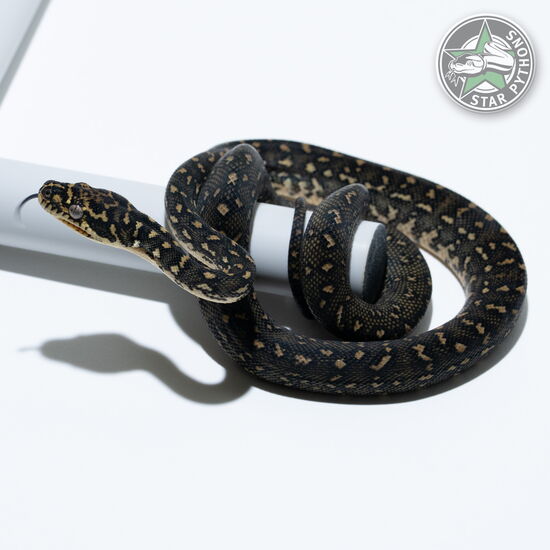
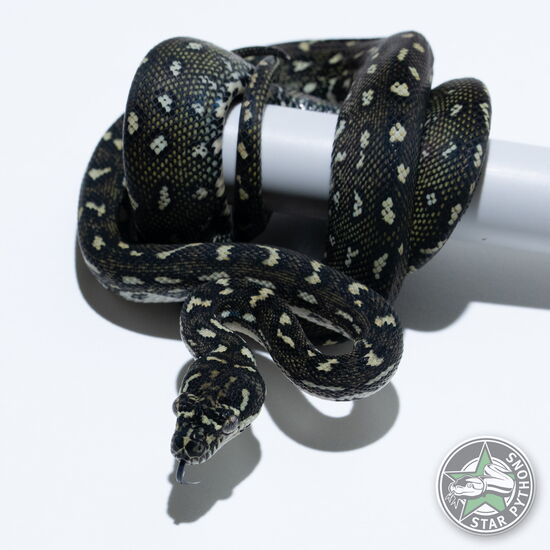
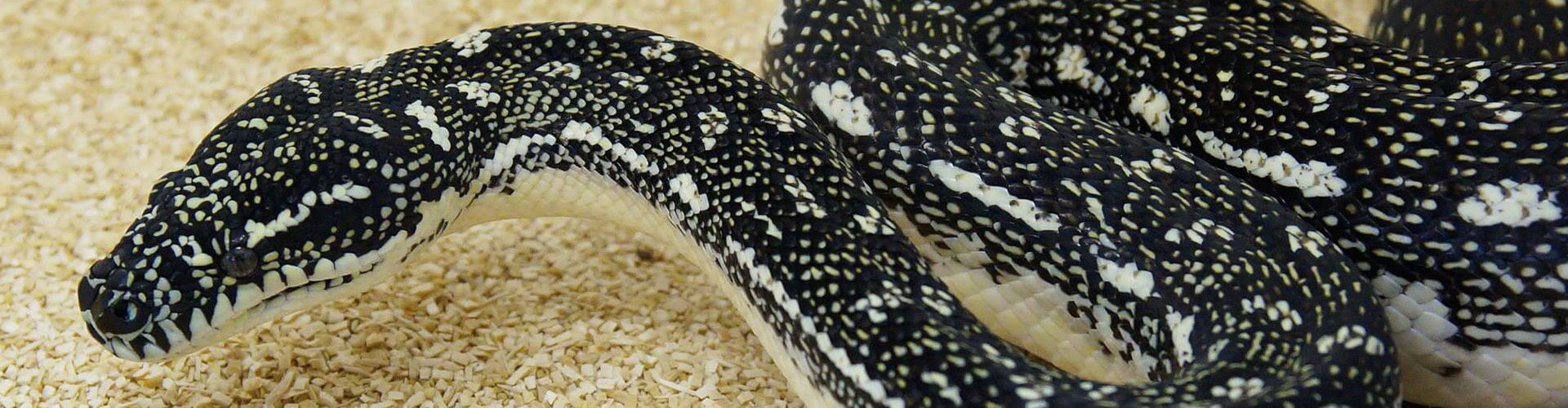
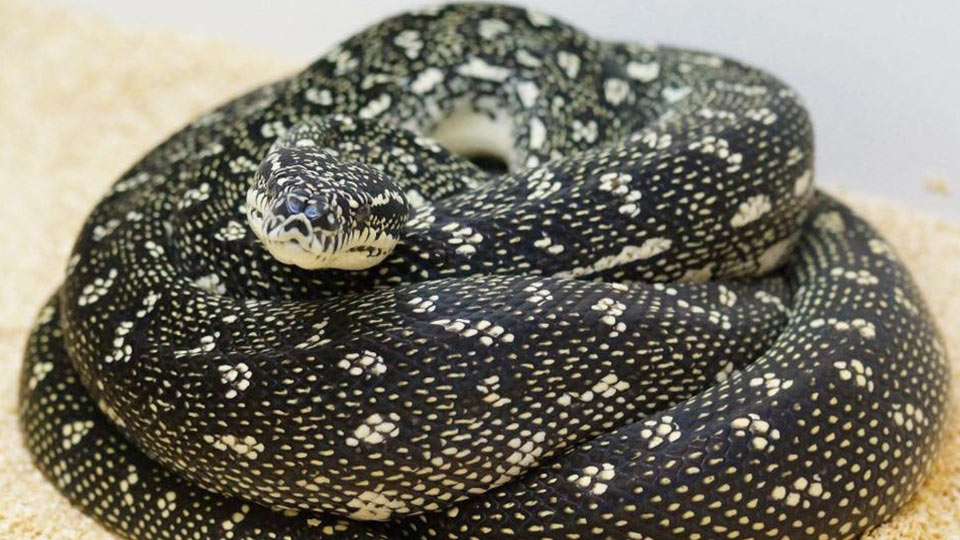
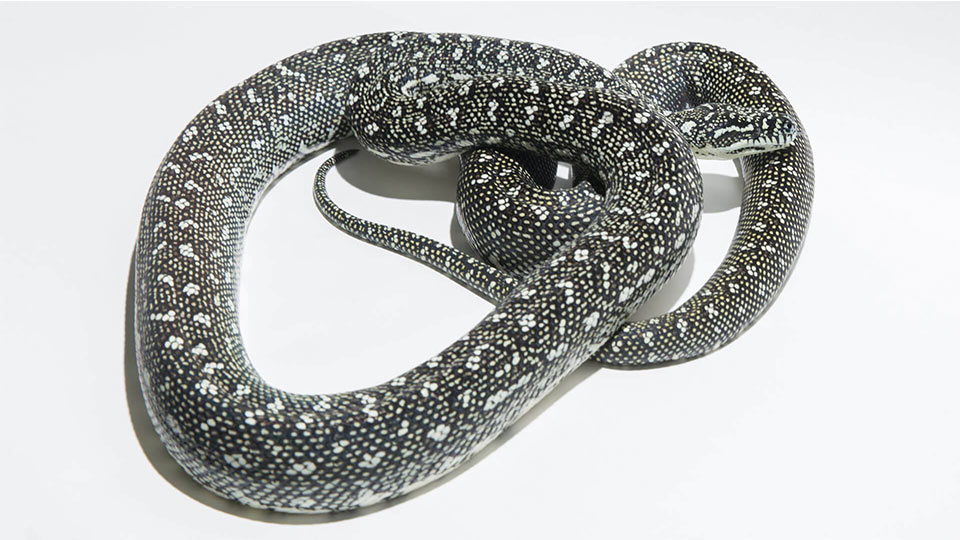
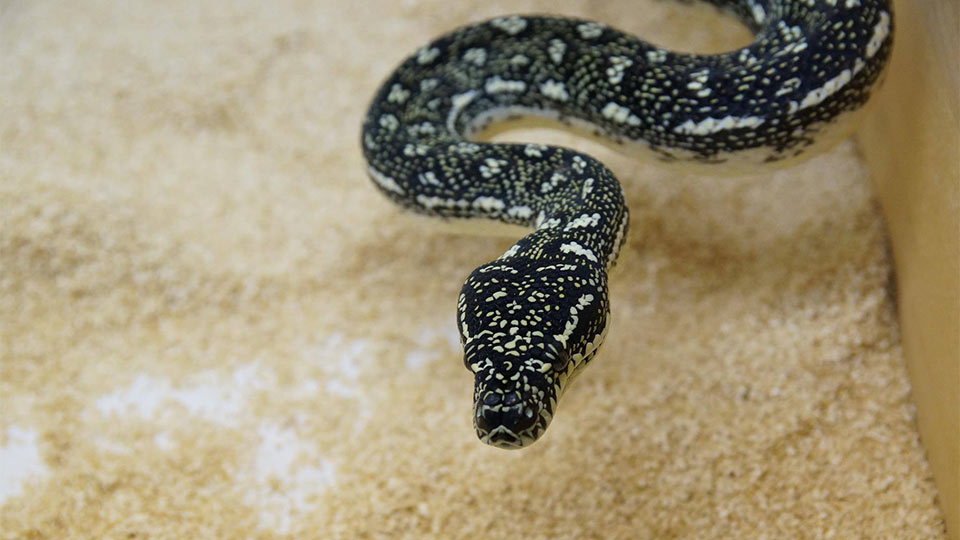
The diamond python (Morelia spilota spilota) is a fascinating python species from southeastern Australia and is considered the "jewel" among carpet pythons. With its deep black base color and contrasting lemon yellow to white rosettes, it is one of the most visually impressive giant snakes in the world.

Don't be fooled: hatchlings often look inconspicuous – almost monochromatic dark gray or brown with a dull appearance. The spectacular black and yellow pattern only develops in the first two years of life. Young diamond pythons are therefore selected based on the potential that you see in the animals, depending on your personal taste. The characteristic light spots that give the rosettes their diamond-like brilliance develop gradually and become more intense with age.

What makes the diamond python unique for terrarium keeping is that it is the southernmost python in the world and inhabits regions with a significantly more temperate climate than its tropical relatives. If you understand the biology of this "temperate" python species, you will keep it successfully, healthy, and long-lived.

Distribution and Lifestyle: The "Commuter"

The diamond python inhabits a relatively narrow coastal strip along the southeast coast of Australia. Its range extends from northeastern Victoria across the entire coastal region of New South Wales to about 300 kilometers north of Sydney. This geographical limitation makes it the southernmost python species in the world and fundamentally distinguishes it climatically from all other carpet pythons.

Unlike its tropical relatives, M. s. spilota lives in a temperate climate with distinct seasons. Telemetry studies with radio transmitters have shown that these snakes are true "commuters" that drastically change their location over the course of the year – a behavioral adaptation that must be imitated in terrarium husbandry.

During the winter months, the animals prefer to retreat to rocky habitats, especially deep sandstone crevices (Slip & Shine, 1988b). These geological formations offer several advantages: protection from the cold, insulation against extreme temperatures, and at the same time the opportunity to lie on the rocks on sunny winter days and soak up the warmth. Although the animals are generally inactive during this phase, they use every ray of sunshine for thermoregulation.

As soon as temperatures rise in spring, the pythons leave their winter quarters and often move close to human settlements in summer. This behavior, which seems unusual at first glance, has a pragmatic reason: in disturbed habitats around houses, gardens, and barns, the density of prey such as rats is particularly high in summer (Slip & Shine, 1988b). The snakes follow their food and accept the proximity to humans in return. In Sydney, it is not uncommon to find a diamond python in the attic or shed.

Habitat Preferences in Detail

During the warm months, diamond pythons prefer environments rich in structure with opportunities for climbing. They are semi-arboreal, which means that although they spend time on the ground, they often stay in trees or on elevated structures. Eucalyptus forests with their rough, climbable trunks and the sandstone formations typical of Australia with numerous crevices and overhangs are particularly popular.

Radio telemetry studies show that males use significantly larger home ranges (41±30 ha) than females (23±5 ha), with males traveling an average of 123 meters between observations, compared to only 65 meters for females (Michael et al., 2014). This gender-specific behavior is particularly pronounced during the mating season in spring, when males actively search for females.

What this means for your terrarium: The most common mistake is to keep diamond pythons "too hot" and without seasons. A healthy animal needs the change between warm summers and cool winters, as dictated by its natural behavior. Diamond pythons are not tropical permanent heat dwellers—they are animals of temperate latitudes with clear seasonal needs.

Size and Growth

Adult diamond pythons reach an average total length of 2 to 2.5 meters (6.6 to 8.2 ft), with females generally becoming larger and significantly heavier than males. Individual specimens can also reach lengths of up to 3 meters (9.8 ft), but this remains the exception and almost exclusively affects well-fed, old females. The average head-torso length is around 1.8 to 2.2 meters (5.9 to 7.2 ft) with an additional tail of 20 to 30 centimeters (8 to 12 in).

Compared to other subspecies of the Morelia spilota complex, diamond pythons are therefore in the middle range in terms of size – they remain significantly smaller than the massive coastal carpet pythons (M. s. mcdowelli), which regularly reach over 3 meters (9.8 ft) (Shine & Fitzgerald, 1996). Their body stature is strong and muscular, but not overly bulky. This makes them manageable terrarium animals that nevertheless command respect.

Hatchlings measure about 35 to 45 centimeters (14 to 18 in) at birth and weigh between 25 and 35 grams. Growth is relatively rapid in the first two to three years, but then slows down significantly. Males reach sexual maturity at around 3 to 4 years of age and a length of around 1.5 meters (4.9 ft), while females only become capable of reproduction at 4 to 5 years of age and a length of around 1.8 to 2 meters (5.9 to 6.6 ft).

Terrarium and Setup

A good diamond python terrarium is defined not only by its size, but also by its structure. Your pet must be able to do three things at all times: feel safe, choose its body temperature, and breathe fresh air.

Cage Size

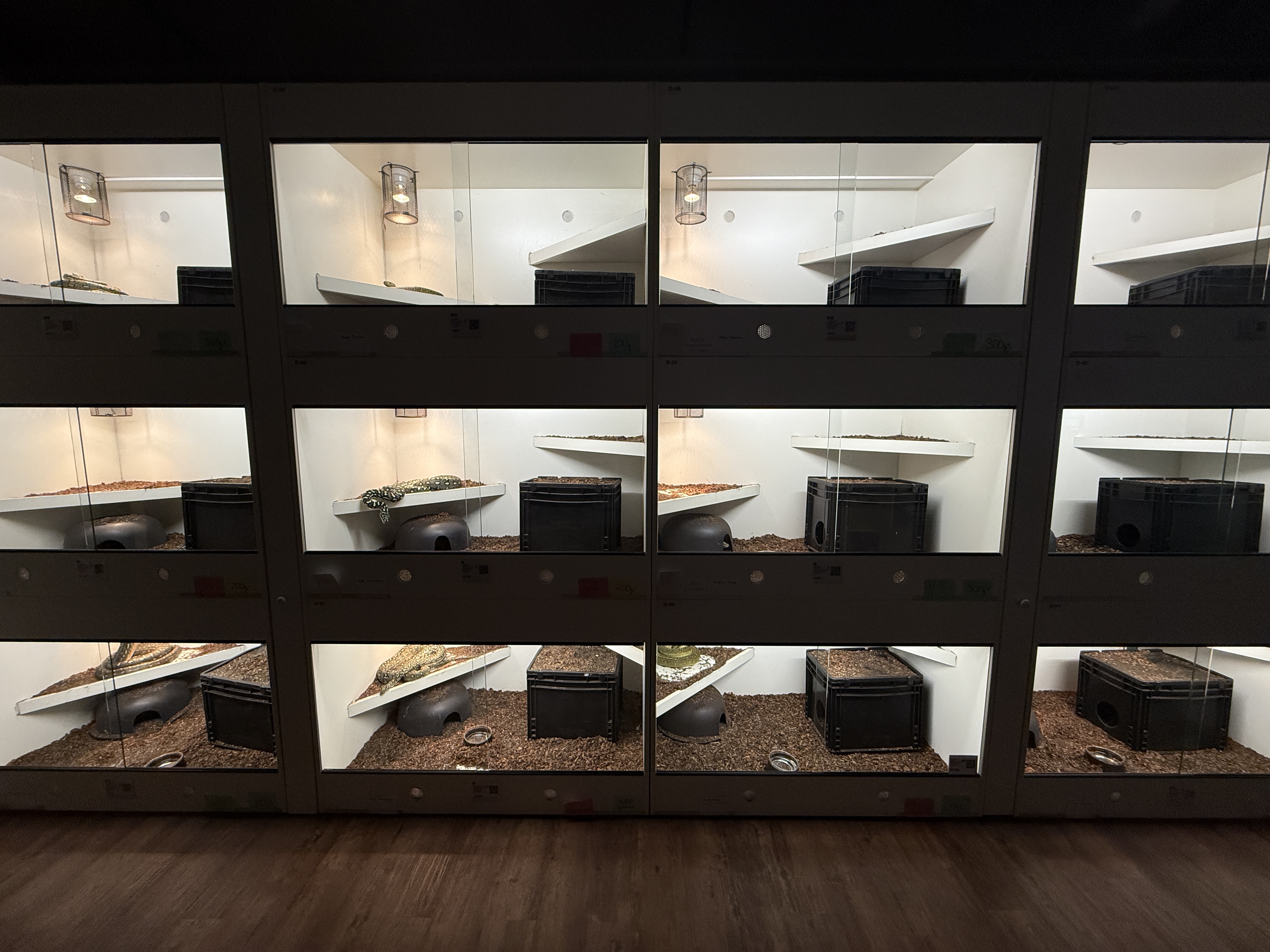
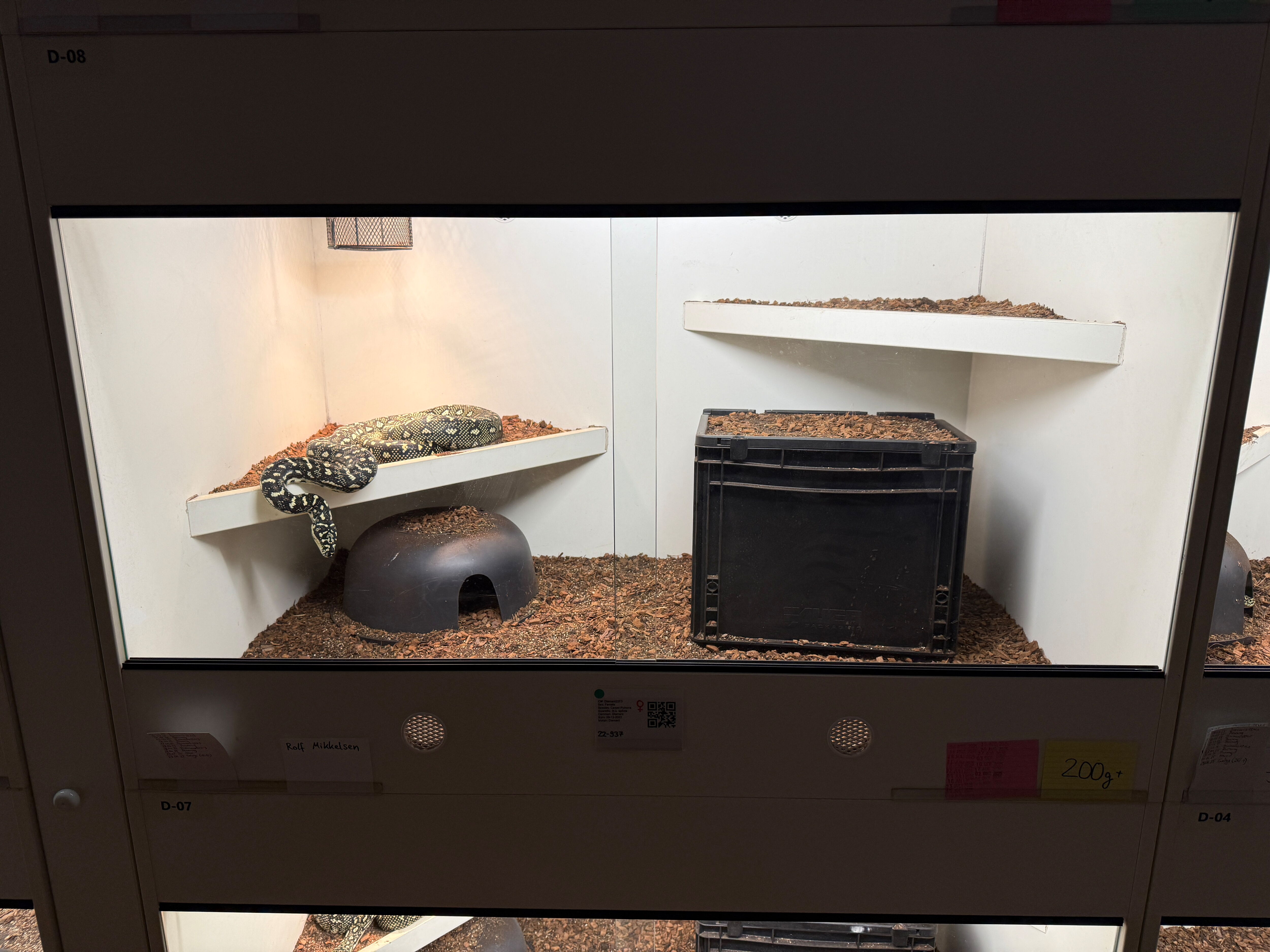
The minimum size for an adult animal should be 120 x 70 x 80 cm (4 x 2.5 x 2.5 ft, L x W x H), although larger terrariums are always preferable. For young animals, smaller enclosures (from approx. 20 x 20 x 20 cm / 8 x 8 x 8 in) are sufficient at first, which can then be gradually enlarged.

Hiding Spots and Climbing Opportunities

Field studies have shown that diamond pythons use rocky habitats in winter, especially crevices (Slip & Shine, 1988b). Translated into terrarium terms, this means that tight hiding places are a must. A hiding place should not be an "open barn door," but rather so tight that the snake's body touches the walls. Provide at least one hiding place in the warm area and one in the cool area. Since the animals often lie elevated in trees or on rocks in nature, stable climbing branches are also essential. The branches should be at least the diameter of the snake's body so that the animal can rest comfortably on them.

Ventilation Instead of Stagnant Air

Diamond pythons need moderate humidity, but not stagnant, stuffy air. Good ventilation areas with a chimney effect are more important than constant spraying. The air should be able to circulate without creating drafts. Excessive humidity combined with poor ventilation can lead to respiratory problems and skin diseases.

Temperatures and Seasons

Since this species—with the exception of breeding females—cannot produce its own body heat, it is dependent on external sources. Proper temperature management is the key to successful care. Studies have demonstrated a so-called thermophilic response: after feeding, diamond pythons specifically seek out places that are significantly warmer than their normal preferred temperature (about 2 to 5°C warmer) in order to start digestion (Slip & Shine, 1988c).

Summer

Daytime 25–26°C (77–79°F)
Spot / Heating Mat 36°C (97°F)
Nighttime 20°C-22°C (68–72°F)
Humidity rH 60%

Winter

Daytime 19–20°C (66–68°F)
Spot / Heating Mat 33°C (92°F)
Nighttime 13°C-18°C (55–64°F)
Humidity rH 70%

The Summer Phase (Active Period)

During this time, the animals are active and eat most frequently. The air temperature in the terrarium should be between 25°C and 26°C (77–79°F) during the day. However, the hot spot is particularly important, as it must be significantly warmer at 36°C (97°F) to enable the natural reaction after eating. At night, the temperature may drop to 20°C to 22°C (68–72°F). This nighttime drop is not only natural but also beneficial to health, as it allows the animal to regulate its metabolism.

The Winter Phase (Resting Phase)

This phase corresponds to the natural retreat into rock crevices and is essential for species-appropriate care. The daytime temperature should be reduced to 19°C to 20°C (66–68°F), while the hot spot should be reduced to 33°C (92°F) but still remain available. Nighttime temperatures can now be significantly cooler, ranging between 13°C and 18°C (55–64°F). The ideal humidity is around 70%, and good ventilation remains essential.

Important: The transition between summer and winter should not be abrupt, but rather gradual over several weeks. Reduce temperatures gradually and observe your pet closely. A sudden change in temperature can lead to stress and digestive problems.

Feeding Habits of an Ambush Predator

In nature, diamond pythons are classic ambush predators. They do not actively search for prey, but often wait for days in one spot, spending 50 to 80 percent of their time in summer curled up in a single location and sometimes remaining in the same spot for up to two weeks before moving on to a new location (Slip & Shine, 1988a; Michael et al., 2014). This observation is important for terrarium keeping, as it explains why these animals need less exercise than one might think – and why overfeeding is so dangerous.

Prey Spectrum and Natural Development

While hatchlings in the wild often eat lizards such as skinks, adult animals switch their diet almost entirely to mammals. Analyses of stomach contents and fecal samples showed that 91 percent of the diet of adult animals consists of mammals – mainly rats, possums, and rabbits (Slip & Shine, 1988a). Birds make up only a very small part of their diet.

Understanding Natural Fasting Periods

Don't be alarmed if your animal doesn't eat for periods of time. This is biologically determined and completely normal. In winter, food intake in the wild is almost completely suspended. Captive animals had no fresh prey in their stomachs during winter (Slip & Shine, 1988a). During the mating season in spring, males often do not eat for weeks as they actively search for females, even though prey is available (Slip & Shine, 1988a).

Feeding Recommendations for Practical Use

Adult animals should be fed a suitable prey animal every 14 to 21 days – a mouse or rat, depending on the size of the snake. Young animals need to be fed more frequently, about every 7 to 10 days. However, the most important basic rule is: do not feed according to a calendar, but according to physical condition. "Power feeding," i.e., excessive feeding to achieve rapid growth, drastically shortens the lifespan of these animals. A lean, muscular python is a healthy python.

Breeding and Reproduction

Breeding Morelia spilota spilota requires simulating the natural annual cycle. In nature, the animals mate in spring after going through the cool winter period. A biological peculiarity is their breeding behavior: females can generate heat physiologically by trembling their muscles to incubate the eggs—an ability that is not equally pronounced in all python species (Brashears & DeNardo, 2015). This facultative thermogenesis allows brooding females to maintain the eggs at a constant temperature even when the ambient temperature fluctuates.

The High Costs of Reproduction

This feat of incubation comes at a price: a brooding female eats nothing for months and can lose up to 50 percent of her body weight. In nature, females therefore often only lay eggs every three years in order to regenerate in between. We at StarPythons also allow our females these long breaks, but since we keep many females, we usually still have offspring available every year. The quality and well-being of our animals take precedence over quantity!

The clutch size varies depending on the size and condition of the female, but is typically between 20 and 30 eggs. The incubation period is about 50 to 60 days at temperatures around 31°C (88°F). The hatchlings are about 35 to 45 centimeters (14 to 18 in) long at birth and weigh between 25 and 35 grams.

A Selection of Our Breeder Males

Proven breeder male diamond python (Morelia spilota spilota), hatched 2018 – StarPythons

Proven breeder male, hatched 2018 – ID: 19-707

Proven breeder male diamond python (Morelia spilota spilota), hatched 2020 – StarPythons

Proven breeder male, hatched 2020 – ID: 20-681

Proven breeder male diamond python (Morelia spilota spilota), hatched 2022 – StarPythons

Proven breeder male, hatched 2022 – ID: 22-940

A Selection of Our Breeder Females

Proven breeder female diamond python (Morelia spilota spilota), hatched 2022 – StarPythons

Proven breeder female, hatched 2022 – ID: 22-937

Proven breeder female diamond python (Morelia spilota spilota), hatched 2020 – StarPythons

Proven breeder female, hatched 2020 – ID: 20-682

Proven breeder female diamond python (Morelia spilota spilota), hatched 2022 – StarPythons

Proven breeder female, hatched 2022 – ID: 22-938

Buying a Diamond Python: What You Should Look Out For

Looking for a diamond python? At StarPythons, we breed diamond pythons with a clear focus on health, genetics, and animal welfare – not quantity. Here is what sets a responsible breeder apart, and what you should always insist on.

Only Captive-Bred Animals from Responsible Breeders
Only buy captive-bred animals from reputable breeders. Captive-bred animals are healthier, tamer, and do not impact natural populations. Wild-caught animals from Australia are practically unavailable anyway, as exports are strictly regulated.

Health Check Before Purchase
A reputable breeder will be happy to show you their animals and provide full information about feeding history, molting, and health status. Watch out for noisy breathing, excessive mucus in the mouth, mites or skin changes, an unclean cloaca, or a lethargic, unresponsive animal. At StarPythons, every animal is regularly health-checked and fed on a documented schedule before it leaves us.

Documentation and Legal Aspects
Reporting requirement: Like all carpet pythons (Morelia spilota), diamond pythons are subject to reporting requirements in some countries. You must register your animal with the relevant authority before or shortly after purchase. Check with your local municipality for exact deadlines and required documents.
Certificate of origin: The seller is legally obliged to provide you with a proof of origin. Never buy an animal without one.
CITES: Diamond pythons are listed in CITES Appendix II. Within the EU, no additional CITES permits are required for captive-bred animals. We provide all necessary documentation as standard.

Preparation Is Everything
Set up the terrarium completely before you bring your python home. Let it run for at least 48 hours to ensure temperatures and humidity are stable – your new animal should be able to settle in immediately.

At StarPythons, all of the above is standard – not an exception.

The Reduced Pattern Diamond Python (RPD)

The Reduced Pattern (RPD) is the only known morph found in diamond pythons (Morelia spilota spilota). Animals of this morph show a noticeable reduction in both background color and pattern intensity, with the most striking visual changes typically appearing in the front third of the body, especially along the sides of the neck. How strongly the trait expresses itself varies significantly from animal to animal. The morph has been proven heritable and is widely believed to be polygenic in nature, though further work is needed to confirm the mode of inheritance.

Reduced Pattern diamond python male (Morelia spilota spilota), hatched 2022 – StarPythons

Proven breeder RPD male, hatched 2022 – ID: 22-763

Reduced Pattern diamond python female (Morelia spilota spilota), hatched 2022 – StarPythons

Proven breeder RPD female, hatched 2022 – ID: 22-749

Common Mistakes (and How to Avoid Them)

Here are the most common reasons why care can fail:

1. Permanent Overheating

The number one mistake: A diamond python that is kept too hot for too long can physiologically "burn out." These animals originate from a temperate climate and are not made for constant tropical temperatures. If your python constantly lies in the coolest area of the terrarium or appears restless, this is often a sign of excessive temperatures.

2. Lack of Temperature Gradient

If the entire terrarium is evenly warm, the snake cannot regulate its body temperature. It must be able to choose between warm and cool areas, especially after eating. A good gradient means that there is at least a 10 to 15 degree Celsius difference between the hottest and coolest points.

3. Overfeeding

These ambush hunters often hardly move for days. Their metabolism is not designed for a constant supply of food. An obese python is a sick python that will struggle with organ problems and reproductive issues earlier in life.

4. Ignoring Winter Rest

The cool phase in winter is crucial for vitality, reproductive ability, and longevity. Animals that are kept without winter rest for years often show signs of aging earlier.

FAQ - Diamond Python

Is the diamond python suitable for beginners?

To a certain extent. It is generally robust and not aggressive, but is less forgiving of mistakes in temperature management than other carpet pythons such as the Jungle Carpet. If you are prepared to deal intensively with temperatures and the annual cycle, you can also be successful as a beginner. It is important that you are willing to provide cooler temperatures in winter as well.

Why is my diamond python so restless?

If a diamond python constantly wanders along the glass during the day or tries to escape, this is often not "begging" for attention, but rather an attempt to escape excessive heat or a sign of a lack of hiding places. Immediately check the temperatures throughout the terrarium and ensure that there are enough narrow hiding places. Hunger after a long period of fasting can also lead to increased activity.

Do diamond pythons need UV light?

It is not essential for survival, but highly recommended. UV light promotes natural behavior, supports vitamin D3 synthesis, and can have a positive effect on coloration and general well-being. In nature, these animals are diurnal and make use of sunlight. A UV lamp with moderate UVB output can therefore significantly improve the living conditions.

How big does a diamond python grow?

Adult diamond pythons reach an average total length of 2 to 2.5 meters (6.6 to 8.2 ft), with females generally growing larger and heavier than males. Individual specimens can also reach 3 meters (9.8 ft), but this is rather the exception and usually applies to old, well-fed females. Their size makes them manageable, but they are still powerful animals that should be treated with respect.

How old do diamond pythons get?

With proper care, diamond pythons can reach a remarkable age of 20 to 25 years, and in some cases even older. Life expectancy depends heavily on care—in particular, overfeeding and lack of hibernation can significantly shorten their lifespan.

How much does a diamond python cost?

Juvenile wild-type captive-bred diamond pythons and Reduced Pattern animals vary significantly in price depending on age, markings, and origin. Rather than focusing on price alone, pay attention to responsible breeding practices, health status, and proof of origin. Browse our current availability below to see pricing for your region.

Where can I buy a diamond python?

We recommend buying directly from an experienced, reputable breeder – like StarPythons. A good breeder will take the time to answer your questions, show you their animals and breeding facility, and provide full documentation including proof of origin. Avoid anonymous sellers on reptile exchanges or dubious online listings. Browse our current diamond pythons for sale below.

Is the diamond python subject to reporting requirements?

Reporting and registration requirements for diamond pythons vary by country and region. In Germany, for example, Morelia spilota spilota must be registered with the relevant local authority (usually the public order office or lower nature conservation authority). If you are based outside Germany, check with your local wildlife or nature conservation authority before purchasing. In any case, the seller is legally obliged to provide you with a certificate of origin – never buy an animal without one.
References

Brashears, J. A., & DeNardo, D. F. (2015). Facultative thermogenesis during brooding is not the norm among pythons. Journal of Comparative Physiology A, 201(8), 817–825.

Michael, D. R., Cunningham, R. B., MacGregor, C., Brown, D., & Lindenmayer, D. B. (2014). The effects of prey, habitat heterogeneity and fire on the spatial ecology of peninsular Diamond Pythons (Morelia spilota spilota: Pythonidae). Austral Ecology, 39, 181–189.

Shine, R. (1994). The Biology and Management of the Diamond Python (Morelia spilota spilota) and Carpet Python (M. s. variegata) in NSW. NSW National Parks and Wildlife Service, Species Management Report No. 15, Sydney.

Shine, R., & Fitzgerald, M. (1996). Large snakes in a mosaic rural landscape: the ecology of carpet pythons, Morelia spilota (Serpentes: Pythonidae), in coastal eastern Australia. Biological Conservation, 76, 113–122.

Slip, D. J., & Shine, R. (1988a). Feeding Habits of the Diamond Python, Morelia s. spilota: Ambush Predation by a Boid Snake. Journal of Herpetology, 22(3), 323–330.

Slip, D. J., & Shine, R. (1988b). Habitat Use, Movements and Activity Patterns of Free-Ranging Diamond Pythons, Morelia spilota spilota (Serpentes: Boidae): a Radiotelemetric Study. Australian Wildlife Research, 15, 515–531.

Slip, D. J., & Shine, R. (1988c). Thermophilic Response to Feeding of the Diamond Python, Morelia s. spilota (Serpentes: Boidae). Comparative Biochemistry and Physiology Part A, 89(4), 645–650.

Slip, D. J., & Shine, R. (1988d). The reproductive biology and mating system of Diamond Pythons, Morelia spilota spilota (Serpentes: Boidae). Herpetologica, 44(4), 396–404.

Available Diamond Pythons

Sex
Category
Morph
This beautiful female Diamond carpet python with id 25-811 is for sale.
Animal ID: 25-811

Diamond

900 € US$ 1,500 ₩ 1,899,000

Details

This beautiful female Diamond carpet python with id 25-778 is for sale.
Animal ID: 25-778

Diamond

900 € US$ 1,500 ₩ 1,899,000

Details

This beautiful female Diamond carpet python with id 25-719 is for sale.
Animal ID: 25-719

Diamond

900 € US$ 1,500 ₩ 1,899,000

Details

This beautiful female Diamond carpet python with id 25-718 is for sale.
Animal ID: 25-718

Diamond

900 € US$ 1,500 ₩ 1,899,000

Details

This beautiful female Diamond carpet python with id 25-708 is for sale.
Animal ID: 25-708

Diamond

900 € US$ 1,500 ₩ 1,899,000

Details

This beautiful female Diamond carpet python with id 25-706 is for sale.
Animal ID: 25-706

Diamond

900 € US$ 1,500 ₩ 1,899,000

Details