Caramel Carpet Pythons: Biology, Genetics & Lines
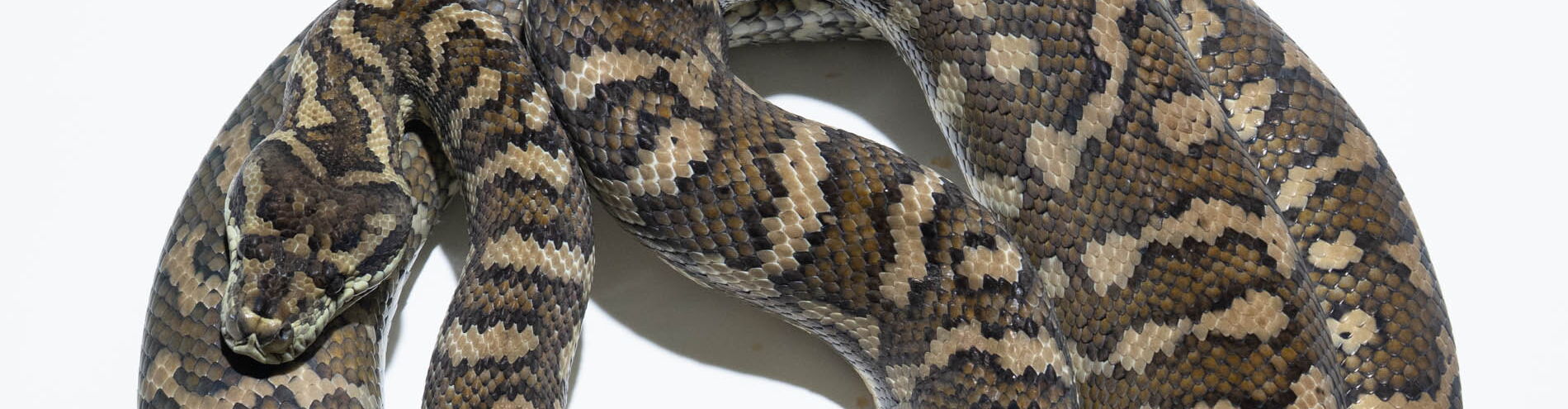
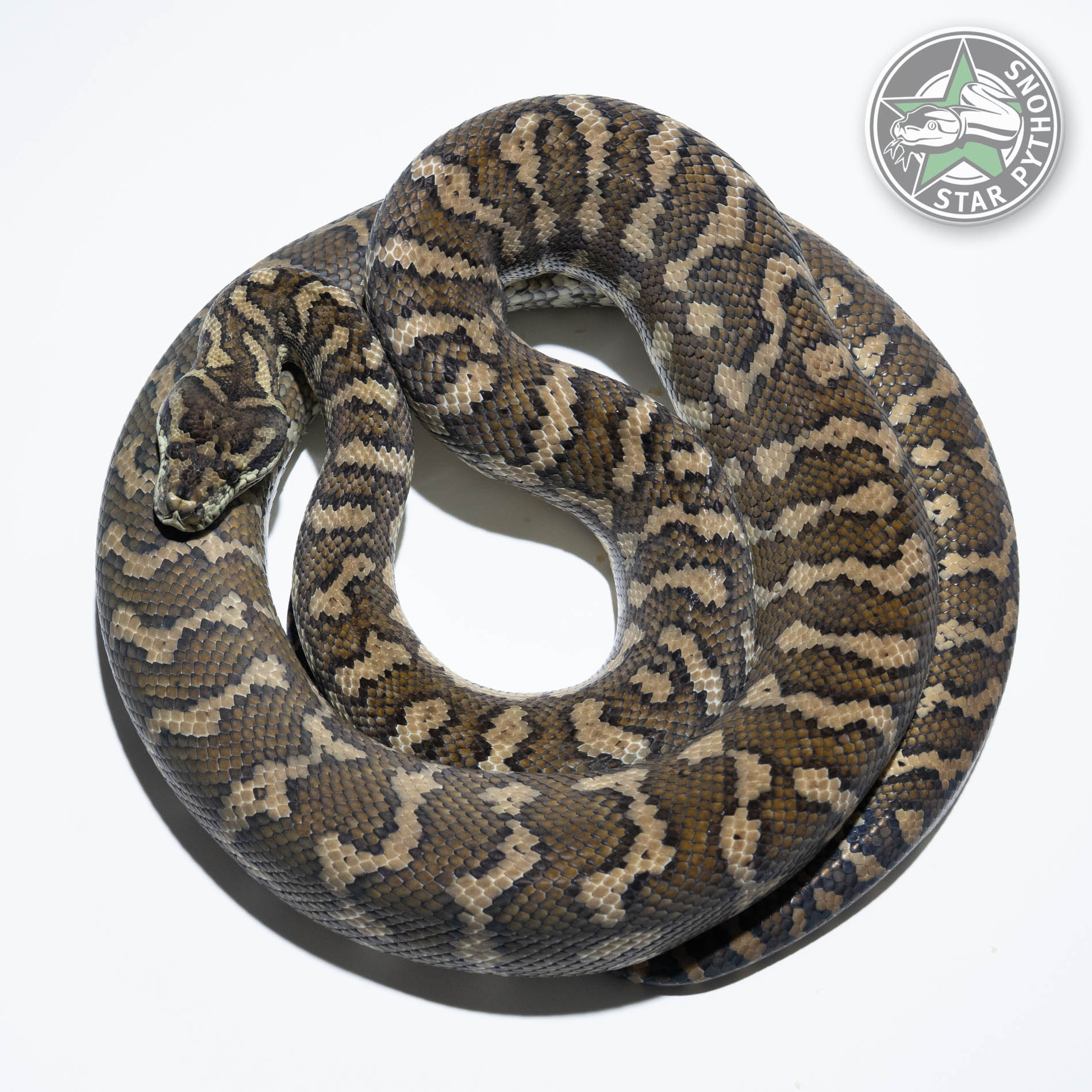
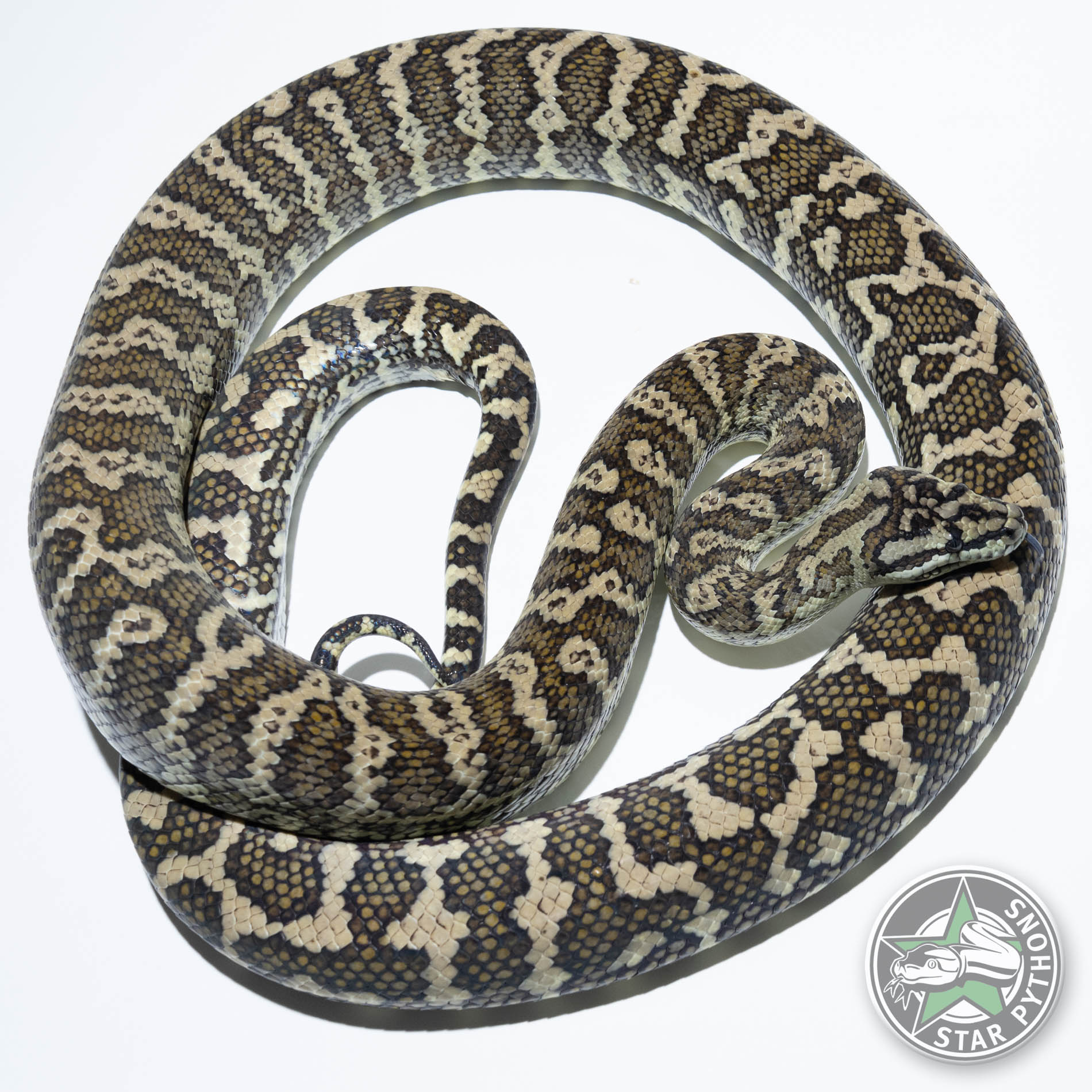
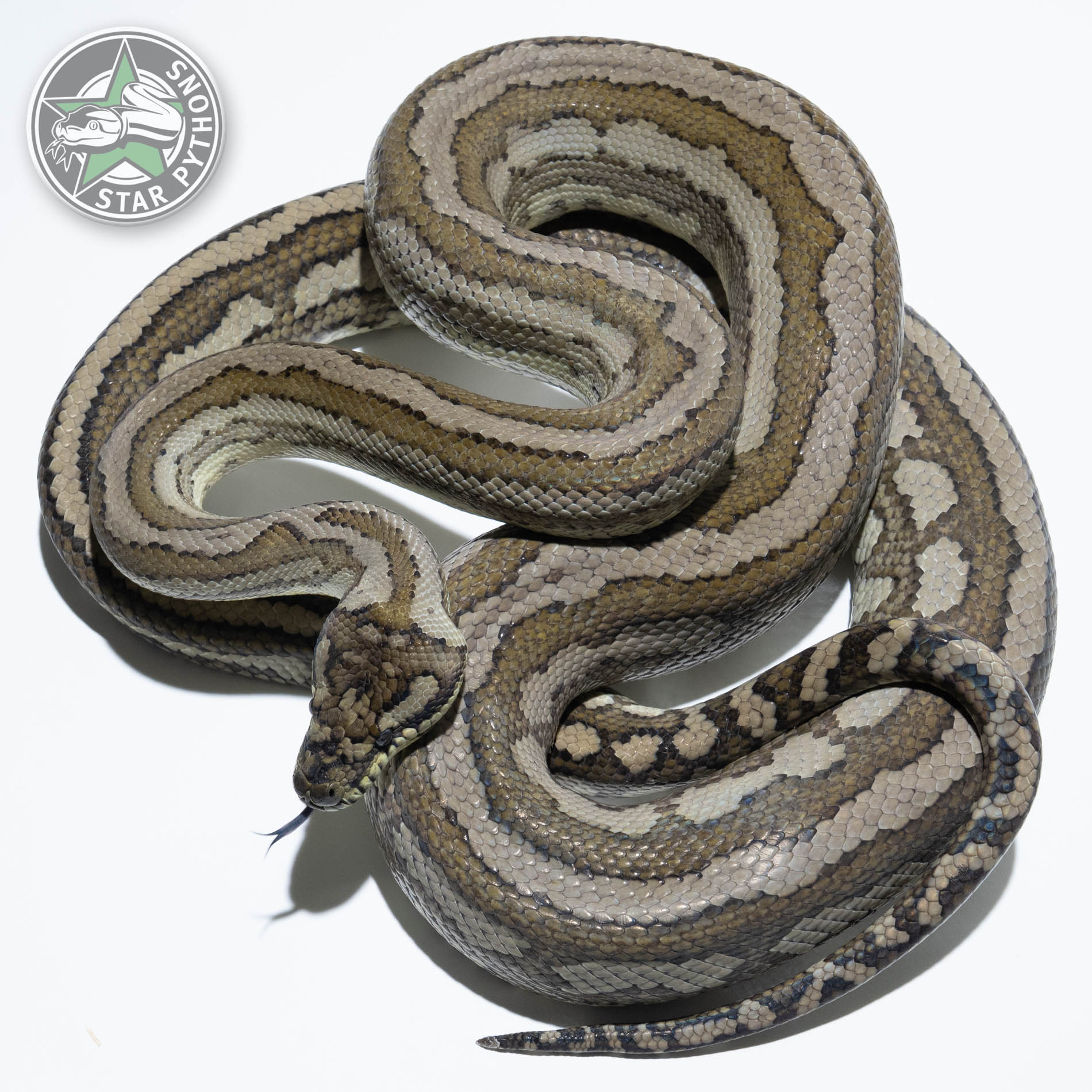
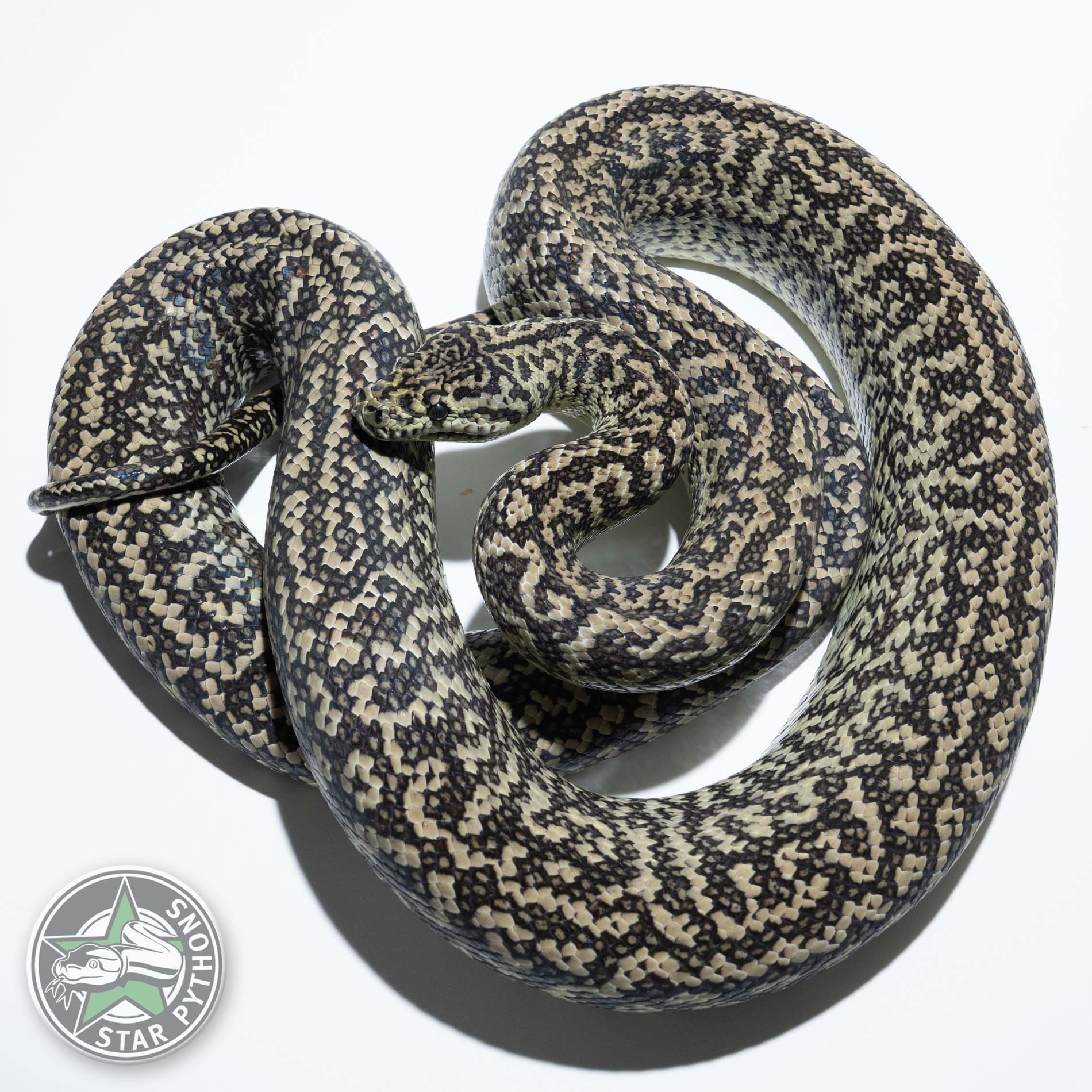
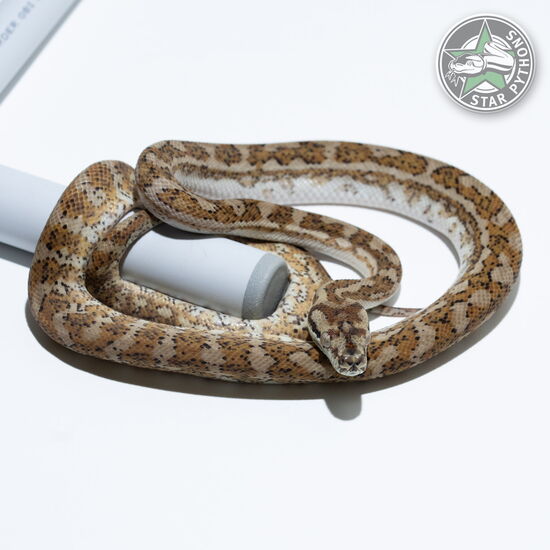
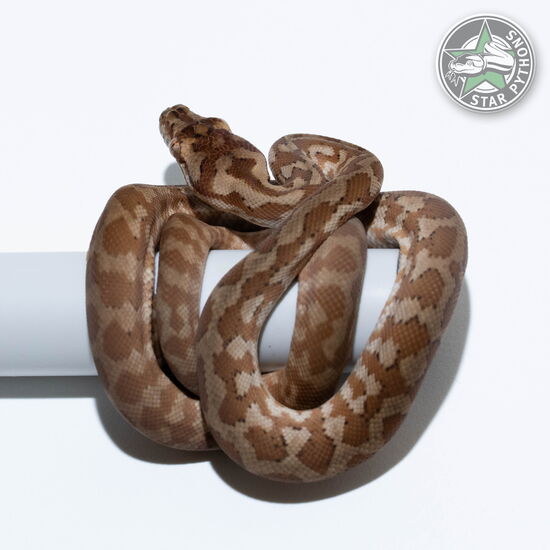
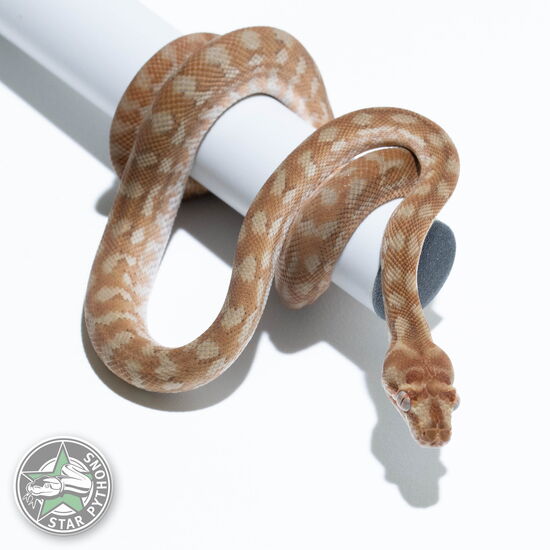
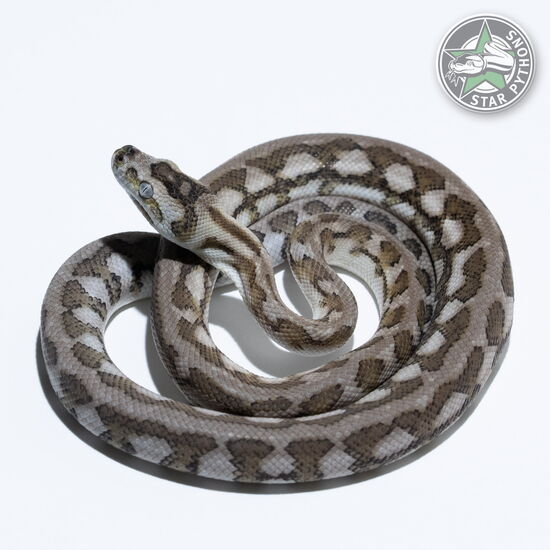
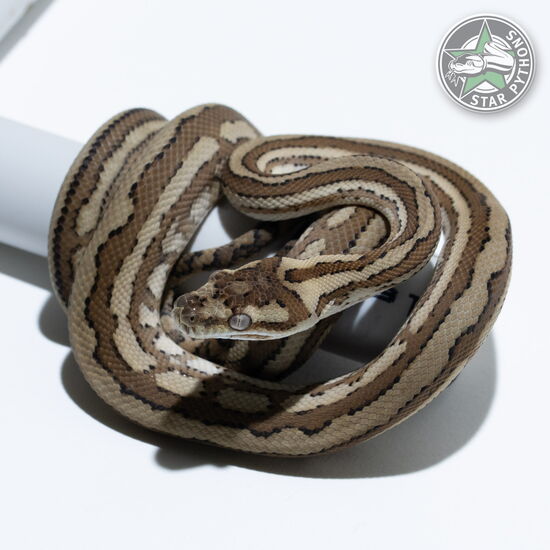
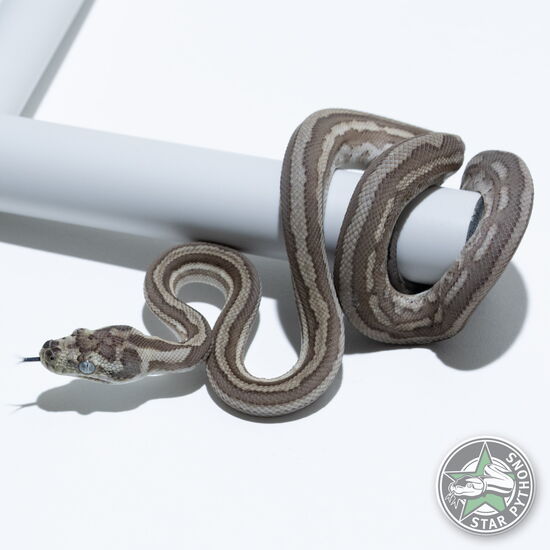
Caramel Carpet Pythons are Morelia spilota mcdowelli carrying an incomplete-dominant mutation that reduces the production of dark melanin pigment, replacing the typical browns and blacks of wild-type animals with warm caramel, bronze, and gold tones. The result is a visually distinctive animal that stands out clearly from wild-type Coastal Carpet Pythons – and combines exceptionally well with other morphs.
This page gives you a practical, breeder-oriented overview: what the Caramel mutation means biologically, how inheritance works, the history of the mutation, and how Caramel combines with other traits.
Quick link: Scroll down to caramel carpet pythons for sale to see currently available animals.
What is the Caramel Mutation?
In Morelia spilota mcdowelli, "Caramel" refers to an incomplete-dominant mutation that reduces the production or activity of dark melanin pigment. Unlike recessive mutations, Caramel is visually expressed with a single copy – and produces a distinct, more extreme Super form when two copies are present.
Melanin is the pigment responsible for dark browns and blacks in vertebrate skin. When its production is reduced – rather than eliminated entirely – the remaining pigment systems, which contribute warm yellows, oranges, and reds, become visually dominant. This is why Caramel animals display caramel, bronze, and gold tones rather than appearing white or amelanistic: the pattern blueprint is intact, but much of the dark contrast is diminished.
This places Caramel in a different biological category than amelanistic (albino) animals, where melanin production is effectively absent entirely. In Caramel animals, melanin is present and increases with age – it is simply produced or expressed at a reduced level compared to wild-type individuals (Mutton & Julander, 2022).
An important distinction for breeders: the "Hypo" morph in Coastal Carpet Pythons operates on the same general principle – a reduction of dark pigment through a different genetic mechanism – but Caramel and Hypo are not the same mutation, not allelic, and not interchangeable. They sit at different genetic loci. Animals that are both Caramel and Hypo carry two independent melanin-reducing mutations, each acting through its own pathway, which is reflected in their combined phenotype.
Biology and Genetics
Reptile coloration is layered biology. Unlike mammals, which have only a single type of pigment cell (the melanocyte), reptiles possess multiple chromatophore types that work together to produce the colors and patterns we see:
- Melanophores contain melanin and are responsible for dark browns and blacks.
- Xanthophores and erythrophores contribute yellow and red/orange hues.
- Iridophores produce structural coloration through light reflection via guanine crystals.
In Caramel animals, melanophore activity or melanin output is reduced, allowing xanthophore and erythrophore contributions to dominate visually – producing the warm tones that define the morph. The melanophores themselves appear to be present and functional, as pattern structure is retained; it is primarily the amount of melanin produced that is affected (Mutton & Julander, 2022).
One of the more observable aspects of this is the age-dependent color shift: hatchling Caramels emerge in reddish or brownish tones, which gradually give way to increasing yellow as xanthophore contributions become more prominent relative to the reduced melanin background. Dark pigment does continue to increase with age, but remains clearly below wild-type levels throughout the animal's life (Mutton & Julander, 2022).
Genetics: What Science Shows in Squamates
The specific gene underlying the Caramel mutation in Morelia spilota has not yet been identified through molecular research. What science does provide is a well-established framework for how melanin-reducing mutations work in squamates more broadly.
In a recent genomic study of captive color morphs in corn snakes (Pantherophis guttatus) and leopard geckos (Eublepharis macularius), researchers characterized several mutations that reduce melanin production at the genomic, transcriptomic, and histological level. Their findings show that reductions in melanin output in squamates can arise through disruptions to TYR (tyrosinase, the key enzyme in melanin synthesis), SLC24A5 (an ion exchanger involved in melanosome maturation), and OCA2 (a transmembrane transporter for tyrosine) – and that the subcellular structure of melanophores is uniquely altered depending on which gene is affected. Crucially, the study also demonstrates that even when melanin production is reduced, melanophores can still migrate and differentiate normally during development, with the impact being primarily on melanogenesis itself rather than on the presence or number of pigment cells (Beaudier et al., 2026).
This framework is directly relevant to understanding Caramel: the phenotype – reduced dark pigment with retained pattern structure and age-dependent increase of melanin – is consistent with a mutation affecting melanogenesis rather than melanophore development. Whether the Caramel mutation disrupts a similar gene pathway in Morelia spilota remains an open question that awaits molecular characterization.
History of the Caramel Mutation
The Caramel mutation originated in Coastal Carpet Pythons (Morelia spilota mcdowelli) in captivity. The first animals appeared unexpectedly in a clutch of otherwise normal-looking Coastals bred by Cristos Skliris in France. Notably, these early individuals were described as unusually dark rather than the warm-toned animals the mutation later became known for.
In 2003, Paul Harris acquired several pairs of Caramel Coastals from Skliris. The offspring from these animals showed a distinctly red-toned coloration with minimal dark markings – clearly different from the natural red hues occasionally seen in normal Coastal clutches – which encouraged Harris to investigate the mutation's heritability.
In 2006, Harris bred a male Coastal Jaguar Carpet to a female Caramel. The resulting clutch produced normal-looking Jaguars and Coastals alongside Caramel Jaguars and Caramel animals – confirming that the trait was reproducible and heritable. The clutch also yielded what appeared to be a double incomplete-dominant Caramel Jaguar, providing early evidence for the incomplete-dominant mode of inheritance that breeders rely on today (Mutton & Julander, 2022).
Inheritance: Practical Expectations
Caramel follows incomplete-dominant inheritance. This means:
- One copy: The animal visually expresses the Caramel phenotype – warm tones, reduced dark pigment.
- Two copies (Super Caramel): Even greater pigment reduction, stronger warm saturation – a continuation of the same trends seen in single-copy animals, pushed further in the same direction (Mutton & Julander, 2022).
For planning breeding outcomes:
- Caramel × Normal → ~50 % Caramel, ~50 % Normal
- Caramel × Caramel → ~25 % Normal, ~50 % Caramel, ~25 % Super Caramel
- Super Caramel × Normal → ~100 % Caramel
- Super Caramel × Caramel → ~50 % Super Caramel, ~50 % Caramel
Because Caramel is visually expressed with a single copy, there are no hidden carriers – every animal either shows the trait or does not. This makes Caramel a straightforward and predictable morph to work with in a breeding program.
References
Beaudier, P., Ullate-Agote, A., & Tzika, A. C. (2026). Candidate genes underlying hypomelanistic morphs in squamate reptiles. Genetics, 232(1), iyaf236. https://doi.org/10.1093/genetics/iyaf236
Mutton, N., & Julander, J. (2022). The more complete carpet python: A comprehensive guide to the natural history, care, and breeding of the Morelia spilota complex (Hardcover). ECO Publishing. ISBN-13: 978-1938850424