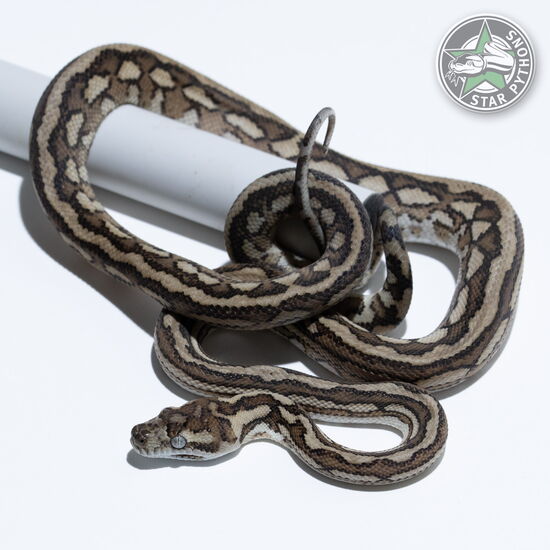
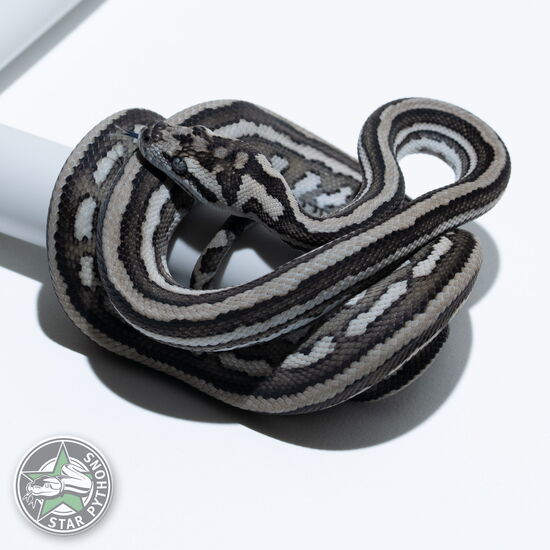
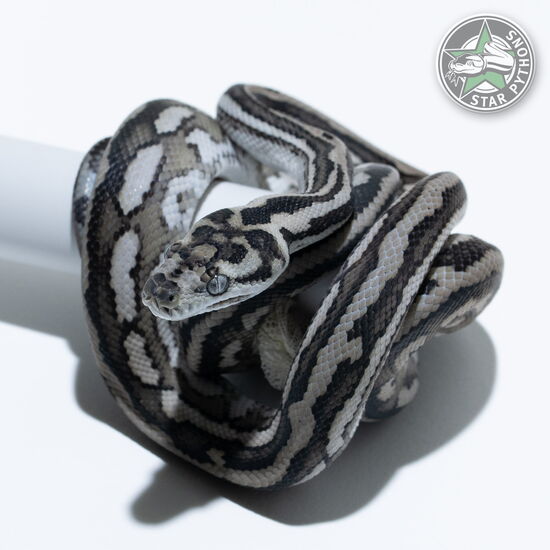
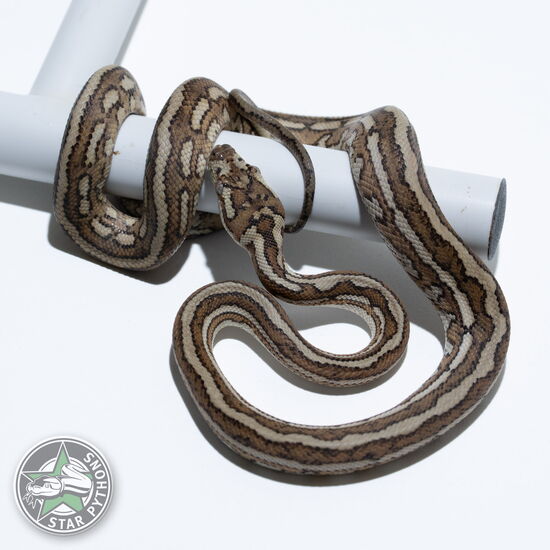
Carpet Pythons by StarPythons

Buying a Carpet Python – What to Know Before You Buy

Buying a carpet python is a decision that should be well considered. These are long-lived animals — 20 years or more in captivity — and they deserve a keeper who has thought through the commitment before bringing one home. This page is designed to help you do exactly that: evaluate whether a carpet python is the right animal for you, understand where and how to buy one, and make sure everything is set up before your new snake arrives.

Table of Contents


Is a Carpet Python the Right Animal for You?

Before you browse our available animals, take a moment to answer a few honest questions:

Time commitment. Carpet pythons can live 20–30 years in captivity. Are you prepared for that kind of long-term responsibility? Consider how your life may change — career, family, living situation — and whether a snake fits into that picture for the foreseeable future.

Space. An adult carpet python requires an enclosure of at least 120 × 70 × 80 cm (4 × 2.3 × 2.6 ft), and larger subspecies benefit from more room. Do you have a suitable location in your home — stable, draft-free, away from direct sunlight — where an enclosure of that size can be permanently placed? See our keeping guide for detailed enclosure recommendations.

Running costs. Beyond the initial purchase and enclosure setup, you will need to budget for electricity (heating, lighting), frozen rodents, substrate, and occasional veterinary care. These costs are modest compared to most pets, but they are ongoing and should not come as a surprise.

Feeding. Carpet pythons eat whole prey — frozen-thawed rats in most cases. You and everyone in your household need to be comfortable with that. If you are unsure about feeding routines, read our feeding guide before purchasing.

Social environment. Not everyone in your life may share your enthusiasm for snakes. Make sure your partner, housemates, or family members are at minimum accepting of a snake in the home. Also consider who will care for the animal if you travel or become ill.

If you have doubts about any of these points, it is better to wait. A carpet python purchased on impulse and surrendered months later is a bad outcome for everyone — especially the animal.


Choosing the Right Subspecies

Not all carpet pythons are the same. The Morelia spilota complex includes subspecies with meaningfully different temperaments, adult sizes, and care requirements. Choosing the right form for your experience level and setup is one of the most important decisions you will make. For a detailed overview, see our myths page on subspecies differences and our subspecies section.

Recommended for beginners

Darwin carpet pythons (M. s. variegata) — compact, calm, and hardy. One of the most manageable subspecies in terms of both temperament and adult size (typically 150–180 cm / 5–6 ft). See our variegata page.

Coastal carpet pythons (M. s. mcdowelli) — confident, food-motivated, and tolerant of handling. Coastals are among the best-feeding carpet pythons available and adapt well to captivity. They do grow larger than other subspecies (typically 200–250 cm / 6.5–8 ft), so plan your enclosure accordingly. See our mcdowelli page.

Irian Jaya / Papuan carpet pythons (M. s. harrisoni) — a versatile, medium-sized form with a generally calm disposition. Harrisoni are hardy, feed reliably, and are available in a range of striking natural and morph varieties, including the Granite mutation. See our harrisoni page.

Centralian pythons (M. bredli) — striking in appearance and generally very docile. They thrive with a pronounced seasonal cycle and slightly drier conditions than their coastal relatives. See our bredli page.

Better suited for experienced keepers

Diamond pythons (M. s. spilota) require cooler temperatures and a more pronounced winter rest than other carpet pythons. They are beautiful and rewarding animals, but their husbandry is more specialized — temperature management over the seasonal cycle is critical, and mistakes are less easily forgiven than with the hardier subtropical forms. We recommend some prior experience with reptiles before keeping this subspecies. See our diamond python page.

Jungle carpet pythons (M. s. cheynei) are visually stunning but can be notably more defensive as hatchlings than other forms. With patience and consistent handling, most settle down well, but a first-time keeper who is not comfortable being bitten occasionally during the first months may find the experience discouraging. If you are set on a jungle, buy from a breeder who can advise you on individual temperament. See our jungle carpet python page.


Where to Buy Your Carpet Python

The source of your animal matters — for the snake's health, your peace of mind, and the long-term success of the keeping experience.

Buying from a breeder

This is our clear recommendation, especially for first-time buyers. A reputable breeder can tell you exactly when the animal hatched, what it has been eating, how it behaves during handling, and what its genetic background is. You have a direct point of contact for questions after the purchase — something no pet store or online marketplace can reliably offer.

What distinguishes a professional breeder from a casual seller? Look for the following: a dedicated website with transparent information about their animals and husbandry; a willingness to answer detailed questions about specific individuals; documented feeding records and lineage data; and — ideally — a verifiable track record through reviews, references, or a long-standing presence in the community. A breeder who is reluctant to share information or pressures you into a quick purchase should raise a red flag.

At StarPythons, every animal we sell comes with a documented feeding history, known lineage, and honest temperament assessment. We photograph and individually identify each animal with a unique ID, so you know exactly what you are getting. We are always available for follow-up questions, whether you bought your animal last week or five years ago — and we mean that literally. Our customer support does not expire.

Reptile expos and shows

Events like Terraristika (Hamm, Germany) or the many regional reptile shows across the US and Europe can be good places to purchase a carpet python — provided you buy from a reputable breeder with a booth, not from an anonymous reseller. The advantage of an expo is that you can see the animal in person, assess its condition firsthand, and speak directly with the breeder. The disadvantage is that the environment is stressful for the animals (crowds, noise, transport), which means you are seeing them at their worst — a defensive reaction at a show is not necessarily representative of the animal's normal temperament.

The same principles apply as with any purchase: ask about the animal's origin, feeding history, and health. If the seller cannot answer these questions confidently, look elsewhere. And resist the temptation to buy impulsively because an animal "looks nice" — make sure you have your enclosure ready at home before you bring anything back from a show.

Pet stores

Pet stores vary enormously in quality. Some stock captive-bred animals from reputable breeders and employ knowledgeable staff; others source animals through wholesalers with limited traceability. If you choose to buy from a pet store, ask where the animal was bred, request feeding records, and verify that the staff can provide species-specific care advice for carpet pythons — not generic "python care." A pet store that cannot tell you whether the animal has been eating frozen-thawed or live prey, or what subspecies it is, is not a store you should be buying from.

Online purchases and shipping

Buying reptiles online from a professional breeder with verified reviews and a track record is a safe and increasingly common practice — and for many buyers outside of Germany, it is the only practical option. At StarPythons, the majority of our sales are shipped. We have been sending carpet pythons to customers across Europe, the United States, Canada, South Korea, and other destinations worldwide for nearly two decades, with thousands of successful deliveries.

The process is straightforward: you choose an animal from our available animals page or contact us for personal recommendations. We confirm availability, discuss any questions you have, and agree on a shipping date. The animal is then packed by our experienced team using insulated shipping boxes with heat or cool packs as needed, and handed to a specialist courier. Within Europe, we primarily use GO! Express & Logistics; for intercontinental shipments, we work with established airline cargo routes. Every shipment includes a live arrival guarantee.

If you have never purchased a reptile online before, we understand the hesitation — but the reality is that professional reptile shipping is a well-established, highly regulated process. The animals spend far less time in transit than most people assume (typically overnight within Europe, 24–48 hours internationally), and the controlled packaging maintains stable temperatures throughout. For full details on routes, costs, timelines, and documentation, see our shipping page.


What to Look For When Selecting an Animal

Whether you are visiting a breeder in person or reviewing photos and videos online, pay attention to the following:

Body condition. A healthy carpet python has a firm, well-muscled body without visible spine or ribs. The skin should be smooth, free of retained shed, and without visible mites or ticks. The eyes should be clear (unless the animal is in pre-shed).

Feeding history. Ask how many meals the animal has taken, what prey type and size it is eating, and whether it feeds on frozen-thawed prey. At StarPythons, all hatchlings are established on frozen-thawed rodents before they are offered for sale.

Temperament. Ask the breeder about the individual animal's behavior. Is it calm during handling? Does it strike defensively? A good breeder will give you an honest answer. As discussed on our myths page, defensive behavior in hatchlings is normal and usually temporary — but if you are a first-time keeper, choosing a calmer individual makes the start easier.

Lineage and subspecies purity. If subspecies purity matters to you — and at StarPythons, it is a core part of our breeding philosophy — ask for documentation. A breeder who maintains pure bloodlines should be able to tell you the origin of the parents and provide lineage records.


Preparing Before Your Snake Arrives

Your enclosure must be fully set up and tested before the animal arrives — not on the day of purchase. This is non-negotiable, and it is the single most common mistake we see new keepers make. A carpet python placed into a hastily assembled, untested enclosure will be stressed, may refuse food, and is far more likely to display defensive behavior. Taking the time to get everything right before the animal arrives pays off immediately.

The enclosure

Built, assembled, and positioned in its permanent location. The enclosure should be in a quiet area of your home — not next to a TV, a washing machine, or a high-traffic hallway. Front-opening enclosures are strongly preferred over top-opening designs, because reaching in from above mimics the approach of a predator and triggers defensive responses (see our myths page for more on this). For materials, dimensions, and design recommendations, see our keeping guide.

Heating and temperature verification

Heat source installed, connected to a quality thermostat, and running for at least one week before the animal moves in. This test period is essential — it allows you to verify that your temperature gradient is stable across different times of day and night, and to catch any equipment malfunctions before they affect a live animal.

Verify that your warm spot reaches ~36 °C (97 °F) and that the cool side stays around 24–27 °C (75–81 °F). Use a digital thermometer with a probe — do not rely on the thermostat display alone, and do not use adhesive strip thermometers, which are notoriously inaccurate. An infrared temperature gun is a useful addition for checking surface temperatures.

If you are heating with a heat mat, make sure it is connected to a thermostat with a probe placed directly on the mat surface. If you are using a ceramic heat emitter or radiant heat panel, protect it with a wire guard to prevent burns. Never operate any heat source without a thermostat.

Interior setup

Substrate laid across the enclosure floor. We use softwood granulate at StarPythons — it is safe if accidentally ingested, easy to spot-clean, and holds no excess moisture. Other suitable options include aspen shavings or coconut fiber, depending on the subspecies and your humidity needs.

At least two hides — one on the warm side, one on the cool side. The hides should be snug enough that the snake's body touches the sides when coiled inside. A hide that is too large offers no sense of security. For hatchlings, simple plastic containers with an entry hole cut in the side work well; for adults, commercially available reptile hides or cork bark are both good options.

A stable water bowl that cannot be tipped over, placed in the center or cool side of the enclosure. Carpet pythons will drink regularly and occasionally soak, particularly before shedding.

Climbing furniture — at minimum one sturdy branch or perch positioned at mid-height. As discussed on our myths page, all carpet pythons are semi-arboreal and will use vertical space when it is available. This is not optional enrichment — it is a core element of species-appropriate husbandry.

Feeding supplies

Have frozen rodents of the correct size on hand before the animal arrives. Ask your breeder what prey size and type the animal is currently eating, and match that exactly for the first few meals. This is not the time to experiment with a different prey type or size.

Our feeding guide includes a detailed prey table that shows which prey size corresponds to which growth stage, how many meals an animal typically takes at each stage before moving up, and at what intervals. Use this table to plan your initial purchase of frozen rodents — it will tell you roughly how many items you need and how quickly the animal will outgrow the current size.

This matters more than you might think if you only keep a single carpet python. Frozen rodents are typically sold in bulk (bags of 10, 25, or more), and a hatchling that eats one fuzzy mouse per week will take months to work through a large bag. If the animal moves up to the next prey size in the meantime, you are left with surplus rodents and no second snake to feed them to. Start with a small quantity — enough for 6–8 meals — and reorder as needed. It avoids waste and ensures you always have fresh stock on hand.

The first week

When your carpet python arrives, place it in the enclosure, close the door, and leave it alone. Do not handle it. Do not open the enclosure to check on it repeatedly.

We recommend waiting at least seven days before offering the first meal. Many carpet pythons — true to their strong feeding response — would happily eat immediately after transport, and you may be tempted to try. We still advise against it. The purpose of the waiting period is not to test whether the animal will eat, but to give it time to decompress, explore its new environment without pressure, and reduce the stress of transport and relocation. A calm, settled animal that takes its first meal confidently after a week of quiet is a much better start than a rushed feeding on day one.

Do not attempt to handle the animal until it has taken at least one or two meals in its new home. This settling-in period sets the tone for everything that follows.

All carpet pythons (Morelia spilota complex, including M. bredli) are listed under CITES (Convention on International Trade in Endangered Species), which means that international trade requires proper CITES documentation. StarPythons handles all necessary export permits and paperwork for every shipment — but the legal framework does not end there.

Depending on where you live, additional regulations may apply: national or regional keeping permits, registration or notification requirements, import licenses, or local ordinances restricting the keeping of non-native reptiles. These rules vary significantly between countries, and in some cases between states, provinces, or even municipalities within the same country.

It is your responsibility to verify the regulations that apply to your specific location before purchasing an animal. If you are unsure about the legal requirements in your area, contact us — we have experience shipping to customers worldwide and can help point you in the right direction. For details on shipping routes and documentation, see our shipping page.

Ready to find your carpet python? Browse our available animals or contact us for personal advice on choosing the right subspecies and individual for your setup.

FAQ - Buying a Carpet Python

What is the best carpet python for a beginner?

Darwin carpet pythons (M. s. variegata), coastal carpet pythons (M. s. mcdowelli), Irian Jaya carpet pythons (M. s. harrisoni), and Centralian pythons (M. bredli) are all excellent choices for beginners. They combine calm temperament, reliable feeding, and manageable care requirements. Choose based on the adult size and appearance you prefer, and make sure your enclosure is suited to the subspecies.

How much does a carpet python cost?

Prices vary widely depending on subspecies, morph, age, and breeder. At StarPythons, hatchlings typically start from around 200–350 € (approximately $220–380 USD) for pure wild-type animals, with morph animals and rare lineages priced higher. The purchase price is only part of the total cost — factor in the enclosure, heating equipment, and ongoing feeding costs as well.

Can I buy a carpet python online?

Yes. Buying from a reputable online breeder with documented reviews, transparent communication, and a live arrival guarantee is a safe and common practice. At StarPythons, most of our animals are shipped to their new owners, both within Europe and internationally.

Do I need a permit to keep a carpet python?

That depends entirely on where you live. Carpet pythons are listed under CITES, so international purchases require proper export and import documentation — StarPythons handles this for every shipment. Beyond CITES, many countries, states, or municipalities have their own regulations regarding keeping permits, registration requirements, or restrictions on non-native reptiles. Always verify the specific rules that apply to your location before purchasing.

How do I know if a carpet python is healthy?

Look for a firm body condition, clear eyes (unless in pre-shed), smooth skin without retained shed or parasites, and an alert demeanor. Ask the breeder for the animal's feeding history — a healthy hatchling should have taken multiple meals on frozen-thawed prey before sale.

What should I have ready before my carpet python arrives?

A fully set up and tested enclosure with correct temperatures, substrate, at least two hides, a water bowl, climbing furniture, and frozen prey of the appropriate size. The enclosure should have been running for at least one week before the animal moves in. Wait at least seven days after arrival before offering the first meal — carpet pythons often would eat sooner, but the settling-in period helps reduce transport stress and gives the animal time to acclimate. See our keeping guide for detailed setup instructions.


Browse Our Available Carpet Pythons

Ready to find your carpet python? Below is a selection of our currently available captive-bred animals — including Darwin carpet pythons, coastal carpet pythons, and Centralian pythons. All animals ship worldwide with live arrival guarantee. For our full inventory, visit our available animals page.

Sex
Category
Morph
This beautiful male Tiger (pure Coastal) carpet python with id 24-984 is for sale.
Animal ID: 24-984

Tiger (pure Coastal)

500 € US$ 500 ₩ 549,000

Details

This beautiful female Caramel Tiger (pure Coastal) carpet python with id 25-414 is for sale.
Animal ID: 25-414

Caramel Tiger (pure Coastal)

550 € US$ 600 ₩ 899,000

Details

This beautiful male Caramel Tiger (pure Coastal) carpet python with id 25-583 is for sale.
Animal ID: 25-583

Caramel Tiger (pure Coastal)

550 € US$ 600 ₩ 899,000

Details

This beautiful male Axanthic Tiger (pure Coastal) carpet python with id 25-331 is for sale.
Animal ID: 25-331

Axanthic Tiger (pure Coastal)

700 € US$ 750 ₩ 999,000

Details

This beautiful female Caramel Axanthic Tiger Jaguar (pure Coastal) carpet python with id 25-324 is for sale.
Animal ID: 25-324

Caramel Axanthic Tiger Jaguar (pure Coastal)

900 € US$ 950 ₩ 1,399,000

Details

This beautiful female Bredli Jaguar carpet python with id 25-597 is for sale.
Animal ID: 25-597

Bredli Jaguar

350 € US$ 500 ₩ 699,000

Details