Tiger Carpet Pythons: Genetics, Lines & Appearance
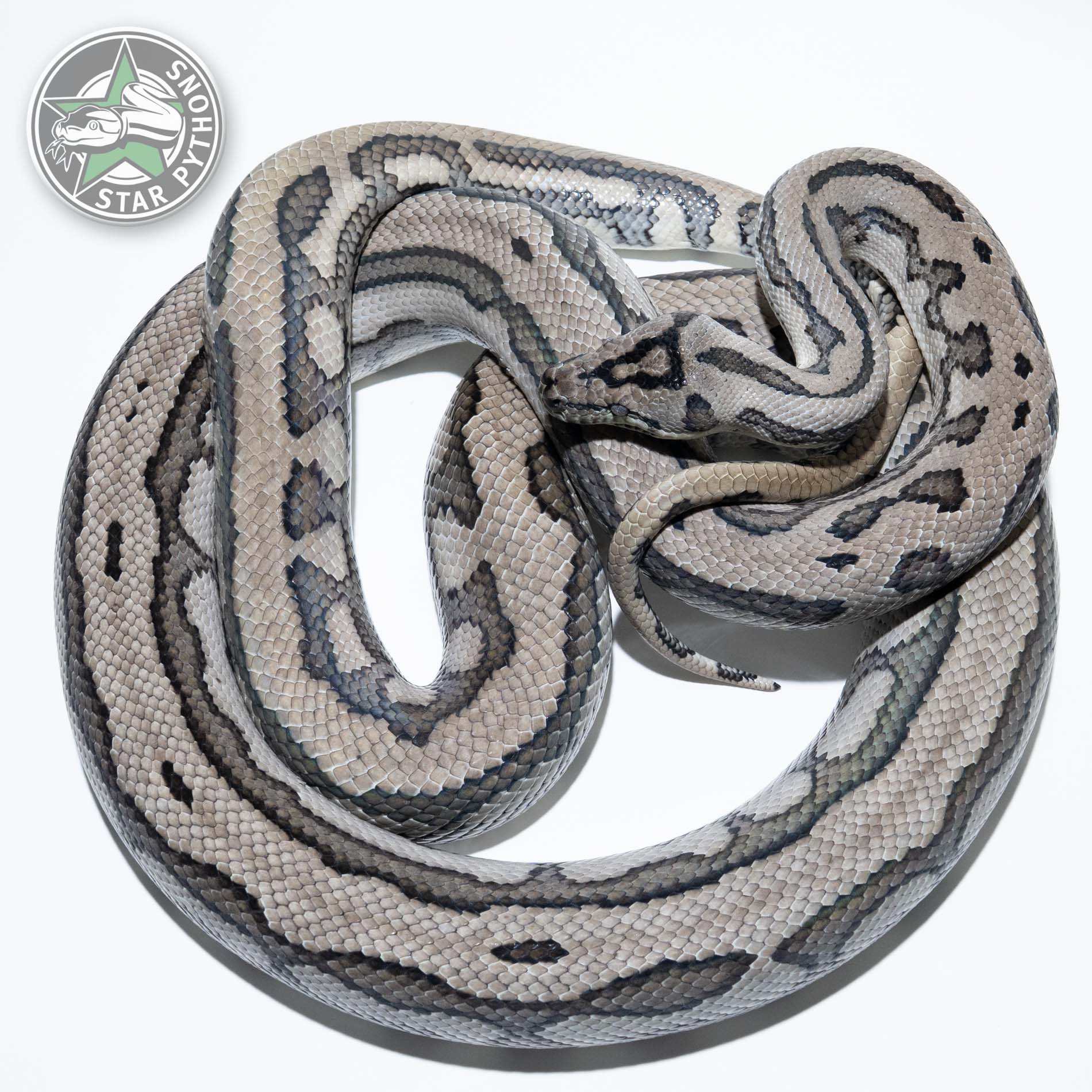
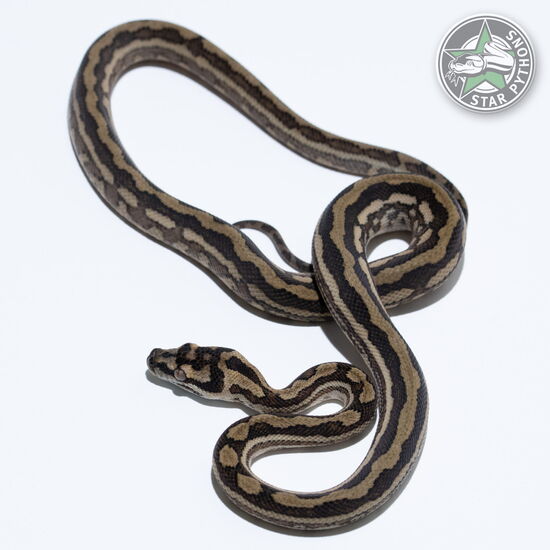
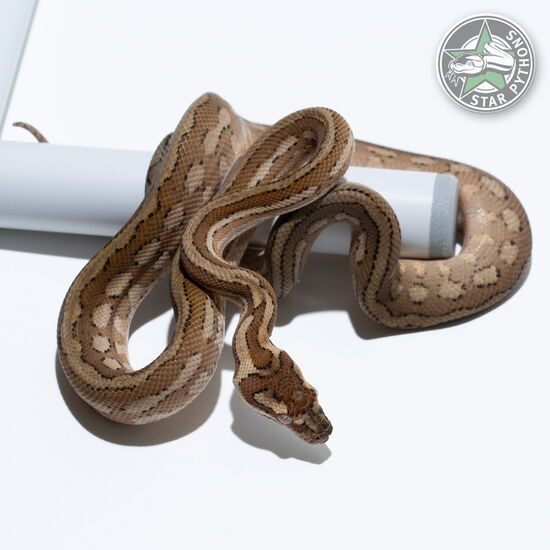
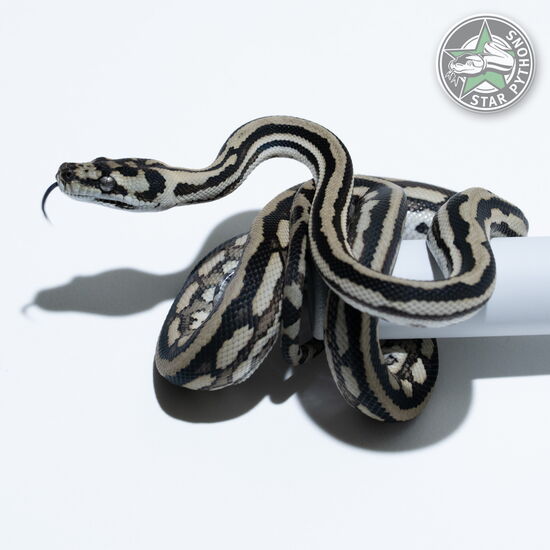
Tiger Carpet Pythons are Morelia spilota characterised by bold longitudinal striping along the dorsal and lateral body – a polygenic pattern mutation that produces one of the most visually distinctive looks in the carpet python complex. The trait originated in Coastal Carpet Pythons (M. s. mcdowelli) but has since been crossed into multiple other subspecies and combination morphs, making "Tiger" a pattern influence found across the broader Morelia spilota hobby today.
This page gives you a practical, breeder-oriented overview: what defines the Tiger pattern visually, how the polygenic inheritance works in practice, where the morph originated and who shaped the key bloodlines, and how Tiger combines with other traits to create well-known morph combinations.
Quick link: Scroll down to tiger carpet pythons for sale to see currently available animals.
What Makes a Tiger?
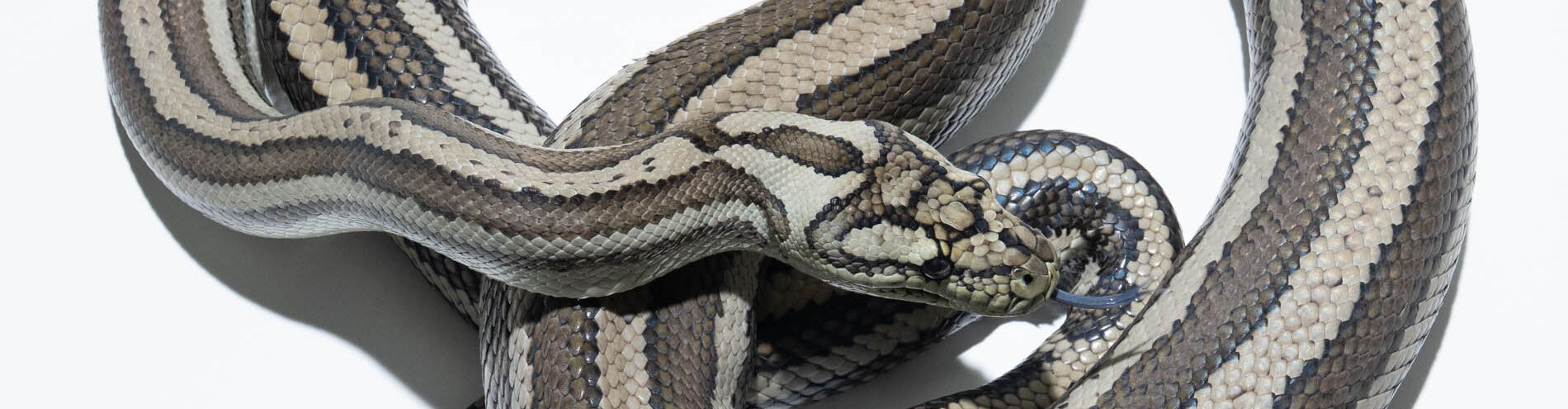
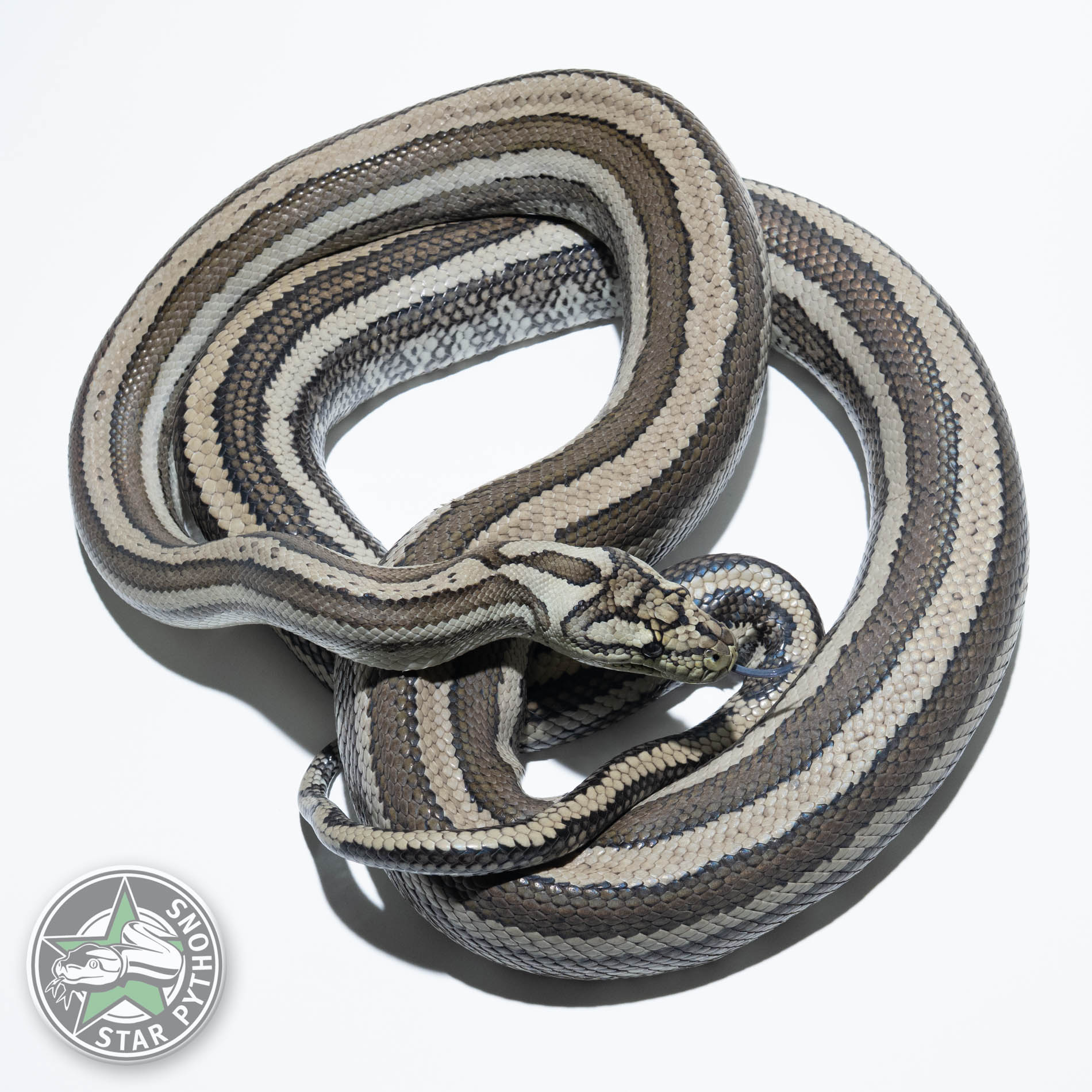
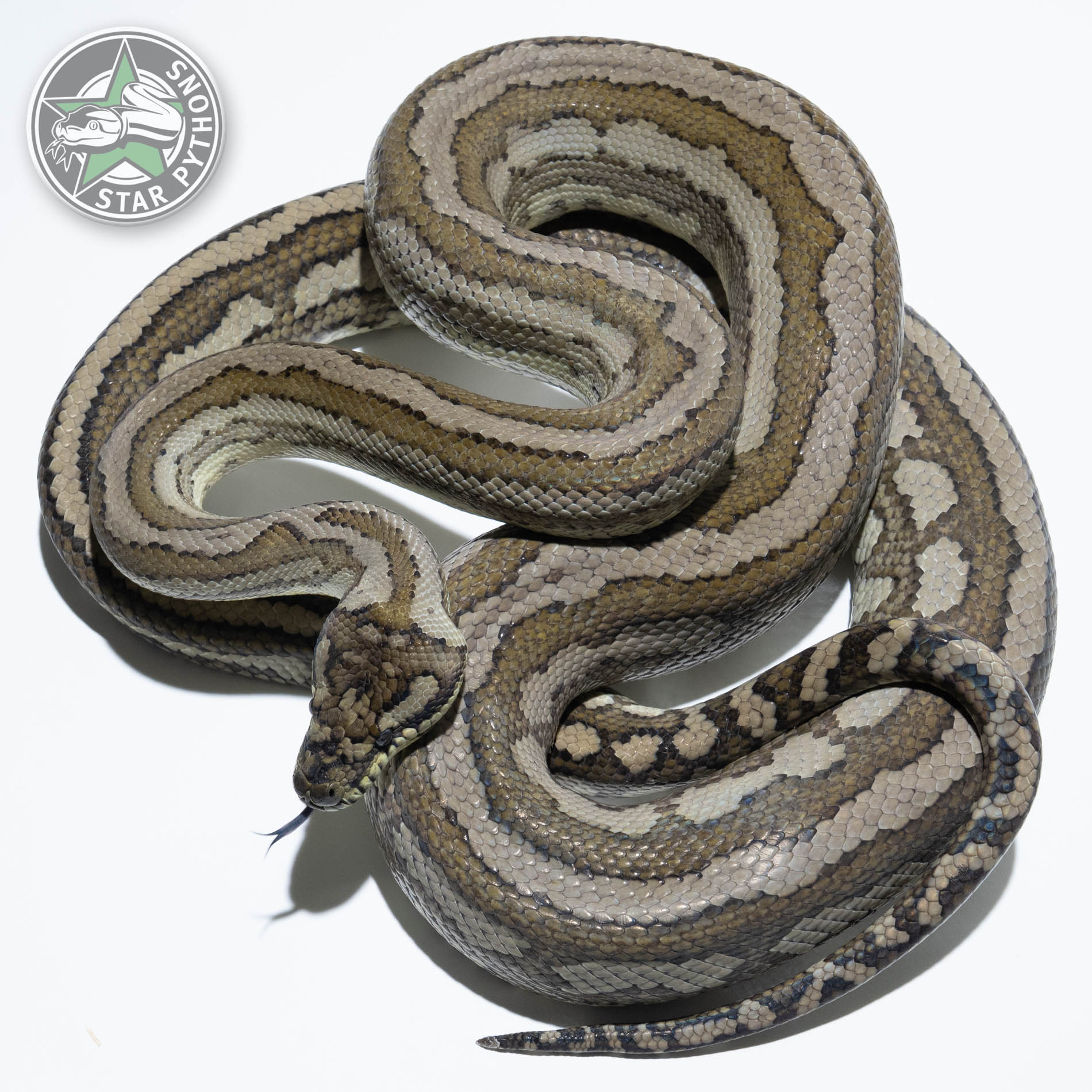
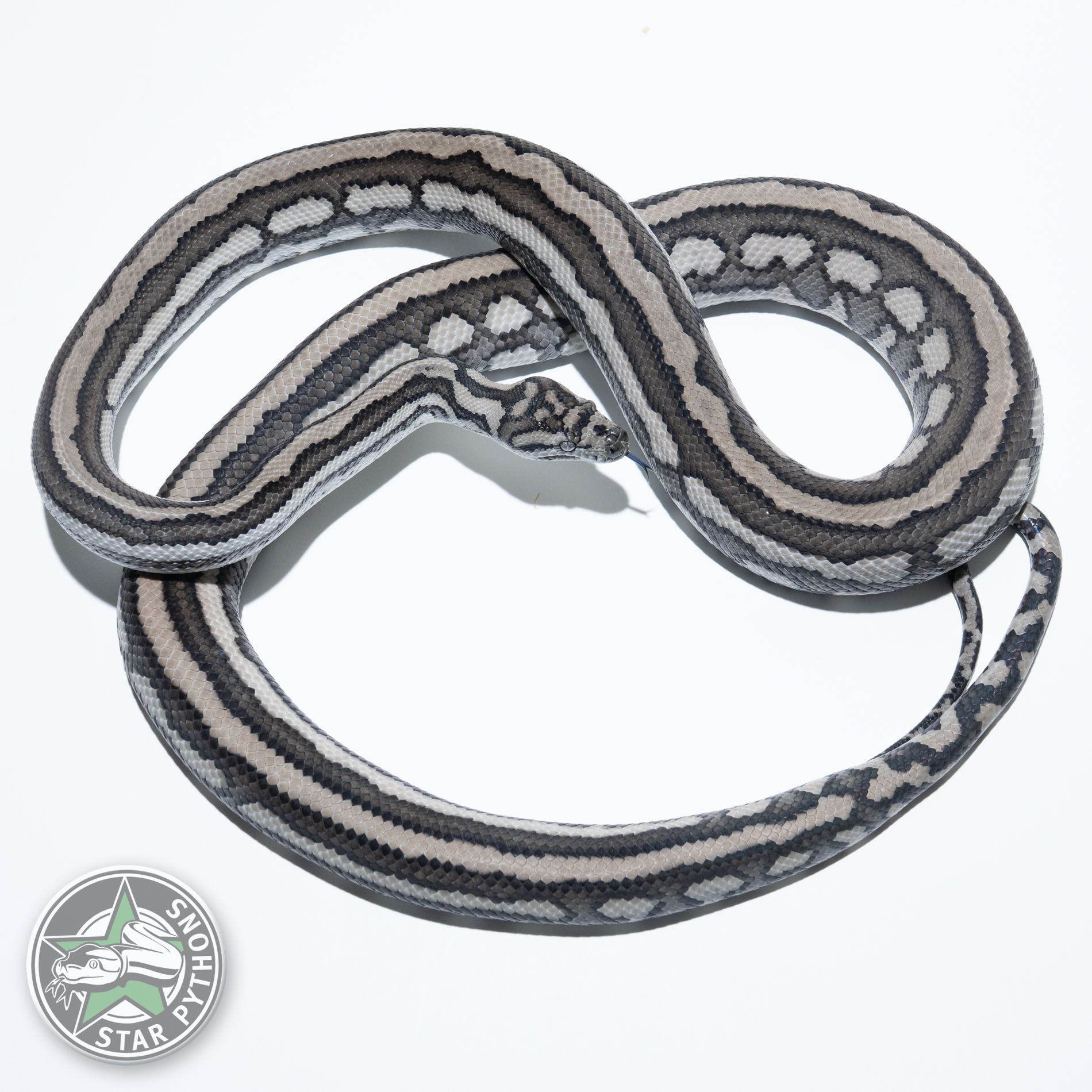
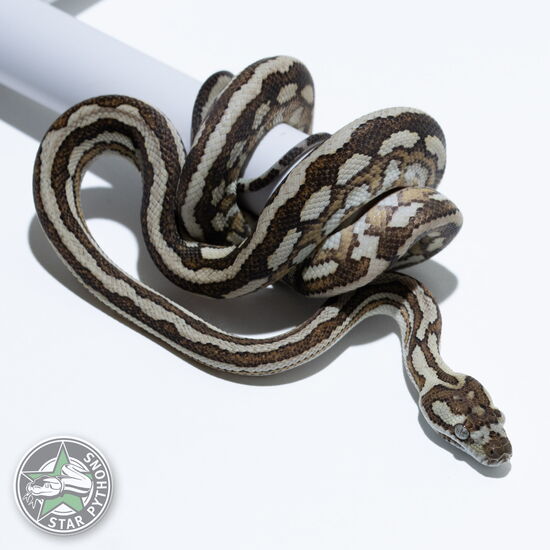
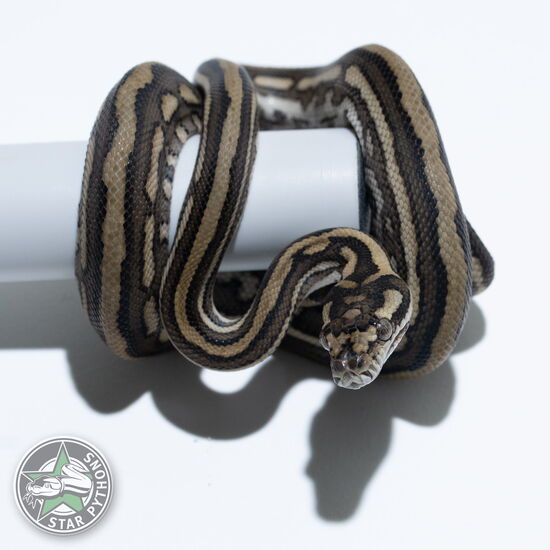
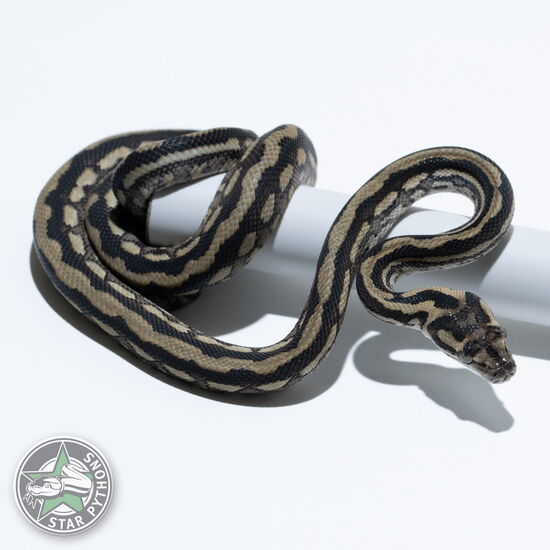
The Tiger morph is a pattern mutation – specifically, a shift from the typical irregular banding of Coastal Carpet Pythons toward bold, longitudinal striping. The term "Tiger" in the carpet python hobby refers to a specific, established lineage with consistent phenotypic traits, not simply any striped carpet python.
Key visual features that define a Tiger include the broad dorsal stripe, the distinctive solid dark head pattern with one or more light blotches and a connecting neckband, and the lateral striping or uniform oval/dash pattern along the flanks. These features distinguish Tigers from other striped carpets, such as Tri-stripes, which typically display three narrower dorsal stripes without the characteristic Tiger head markings.
It is worth noting that striping as a general trait appears across multiple Morelia spilota subspecies. Selectively bred striped Darwin Carpet Pythons (M. s. variegata) are sometimes marketed as "Tiger Darwins," and striped Jungles (M. s. cheynei) and other lineages exist independently. These are separate selective breeding projects – they share the visual outcome of longitudinal striping but are genetically distinct from the established Neville James/Baylin Tiger lineage in Coastals. When the hobby refers to "Tiger" without further qualification, it typically means animals tracing back to this Coastal origin.
Biology and Genetics
The Tiger morph is classified as a polygenic trait. This means the striped phenotype is not controlled by a single gene locus but by the cumulative effect of multiple genes, each contributing to the overall degree and quality of striping.
Early in the morph's history, there was speculation that Tiger might follow a co-dominant mode of inheritance – possibly with a homozygous "super" form. Extensive breeding data has since demonstrated that this is not the case. No confirmed "super Tiger" exists. The breeding outcomes are best explained by a model in which multiple loci contribute additively to the striping phenotype: the more positive alleles an animal inherits from both parents, the stronger the expression.
The polygenic nature of Tiger is well illustrated by a general principle of quantitative genetics: each contributing gene can be thought of as sending either a "stripe" or a "band" signal. In a Tiger that displays strong striping, the majority of these signals align toward striping. When a Tiger is crossed to a normal animal with predominantly banding signals, the offspring receive a mixed set – explaining why approximately half the clutch may show partial to full Tiger traits while the rest appear more normally patterned.
Because the Tiger trait is polygenic, it can be selectively bred into – or out of – virtually any Morelia spilota lineage over multiple generations. This is why Tiger influence now appears across subspecies combinations, not only in pure Coastals. The underlying polygenic factors are not subspecies-specific; they affect pattern organisation in any genetic background they are introduced into. However, the strength and consistency of Tiger expression can vary significantly depending on the background genetics of the partner animal.
An important distinction from some other Carpet Python morphs: the Tiger pattern has no documented health issues. Unlike the Jaguar mutation, which is associated with variable neurological symptoms ("wobble"), Tiger animals show no evidence of pattern-linked pathology.
History of Tiger Carpet Pythons
The Tiger morph traces back to a single male Coastal Carpet Python acquired by Neville James in California from Richard Quick, a breeder based in Alaska. The exact wild origin of the founding animal remains a subject of discussion – it was labelled as a Coastal when it arrived, and while some debate surrounded its subspecies identity, it has been accepted as M. s. mcdowelli based on the timeframe and context of the import. Neville James bred this founding male to a Coastal female sourced from East Bay Vivarium, producing the first generation of Tiger offspring.
Jason Baylin of East Coast Serpents (Towson, Maryland) received a pair of Tigers directly from Neville James around 1997. He raised them, bred them together – producing a clutch of all Tigers – and subsequently produced the first Tiger × Jaguar combination around 2003. That animal showed a noticeably reduced pattern with copper-toned ovals, marking the beginning of Tiger as a combination morph. Baylin's breeding programme went on to supply animals to many of the breeders working with Tigers across the United States, and the term "Baylin Tiger" or "Baylin Line" is widely used in the US hobby to designate animals tracing to this lineage. He has also been credited with establishing Tiger in Papuan Carpet Pythons and with developing the "Red Tiger" line through selective breeding for warm, reddish colour tones.
A notable offshoot is the Citrus Tiger line. Anthony Cappenetto acquired a Tiger from Jason Baylin in 2002 and paired it with a High Contrast Queensland (HCQ) Coastal from Dave Prada, producing intensely bright yellow Tigers. Will Bird continued this work by pairing an HCQ Tiger male with an undocumented female – originally sold as a reduced pattern Jungle, later identified as a probable Coastal. The resulting offspring displayed a distinctive warm orange tone, earning the name "Citrus Tiger." The line carries a question mark regarding subspecies purity because of the undocumented female, but the visual results are widely regarded as exceptional.
The vast majority of Tiger Carpet Pythons in captivity today descend from Neville James's founding stock. Despite the narrow genetic origin, careful outcrossing over the years has maintained the characteristic traits – broad dorsal stripe, defined head pattern, and connecting neckband – across multiple generations and diverse breeding projects.
In Europe, Tiger Carpet Pythons became available primarily through Paul Harris of UK Pythons, who received animals directly from US breeders.
Inheritance: Practical Expectations
Because Tiger is polygenic rather than following simple Mendelian inheritance, pairing outcomes are probabilistic rather than categorical. There are no "hets" for Tiger in the traditional sense – instead, the quality of offspring depends on the cumulative genetic contribution of both parents.
In practice, three general pairing scenarios apply:
Tiger × Tiger consistently produces clutches where all or nearly all offspring display the Tiger phenotype. Both parents contribute a high proportion of striping-associated alleles, maximising expression in the offspring.
Tiger × non-Tiger (normal) typically yields clutches in which roughly half the offspring show partial to full Tiger striping, while the rest appear more normally patterned or only weakly striped. The non-Tiger parent's genotype significantly influences the result – animals from lines with some inherent striping tendency produce better outcomes.
Tiger × Tiger-influenced (partial striping) yields intermediate results, with the proportion of high-quality Tigers increasing as the genetic contribution from both sides improves across generations.
The practical takeaway: selective breeding across generations is essential. Choosing the best-striped offspring and pairing them back to high-quality Tigers concentrates the polygenic factors responsible for the phenotype. This is the same principle that underlies selective breeding for quantitative traits in agriculture – consistent selection pressure over multiple generations produces increasingly reliable results. Conversely, pairing a Tiger to a strongly banded animal with no striping tendency will generally dilute the Tiger expression in the offspring.
Evaluating hatchlings: Tiger neonates are often very dark at birth, with the striping barely discernible. After the first shed, the striped pattern becomes clearly visible and continues to lighten with each subsequent shed cycle. Patience is important – do not assess Tiger quality from neonates before their first shed.
Crossing into other subspecies: Because the Tiger trait is polygenic and not linked to a single subspecies-specific locus, it can be introduced into other Morelia spilota lineages through crossbreeding. Tiger has been crossed into Jungles (M. s. cheynei), Papuans (M. s. harrisoni), Darwins (M. s. variegata), and various designer combinations. In all cases, the resulting animals are subspecies crosses and should be documented as such. The Tiger pattern generally carries over into hybrid backgrounds, but expression quality varies depending on the partner animal's genetics.