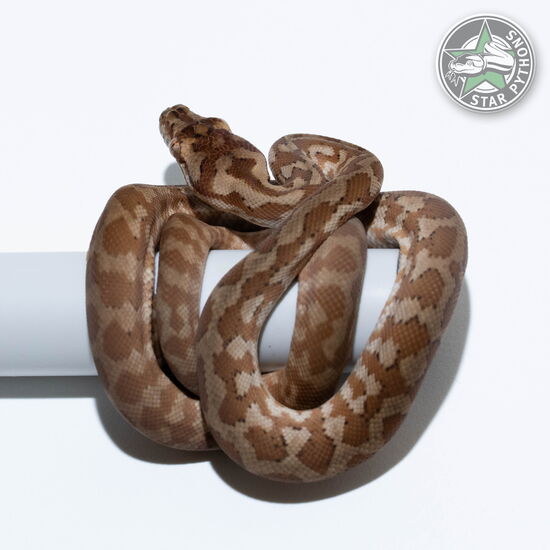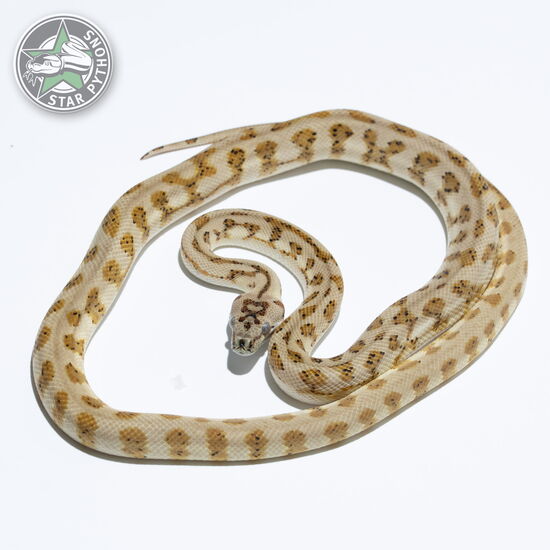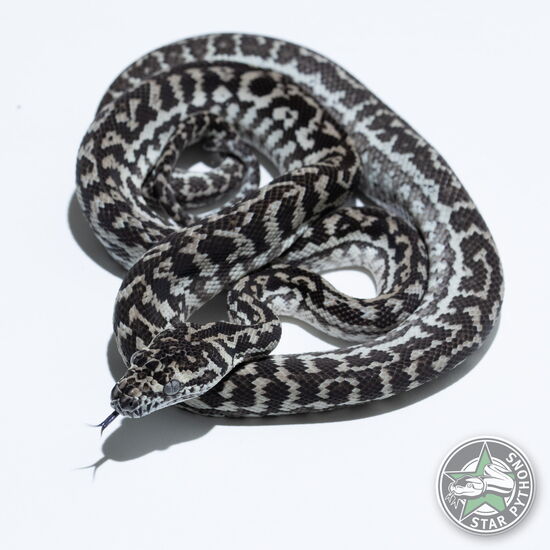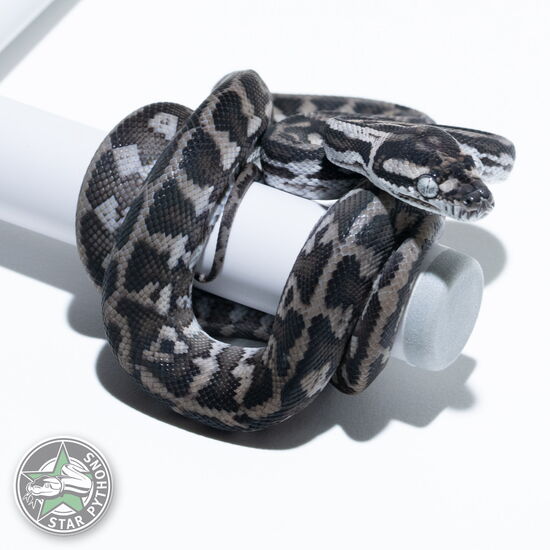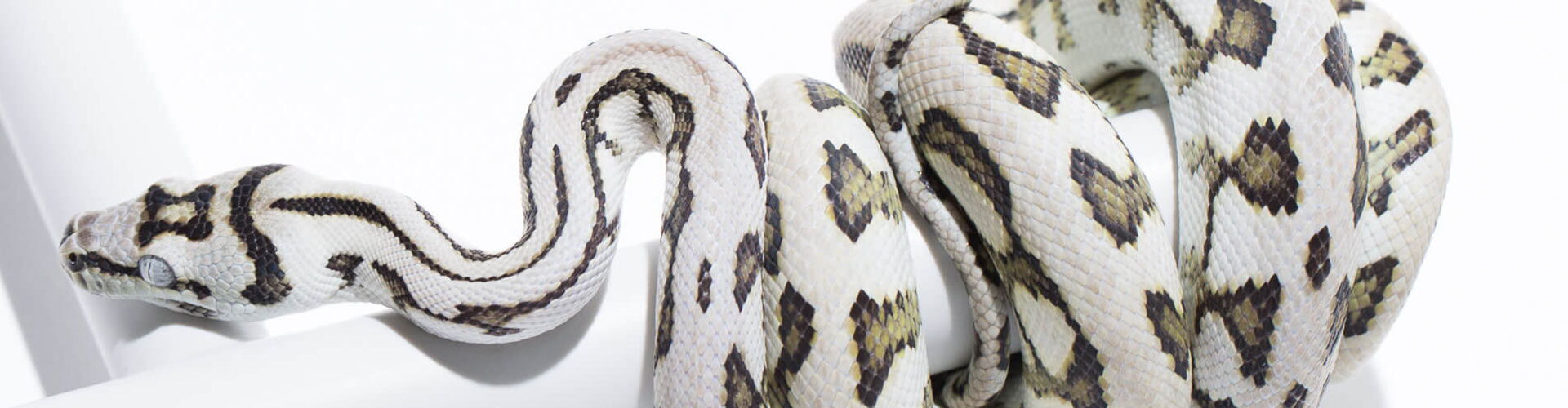
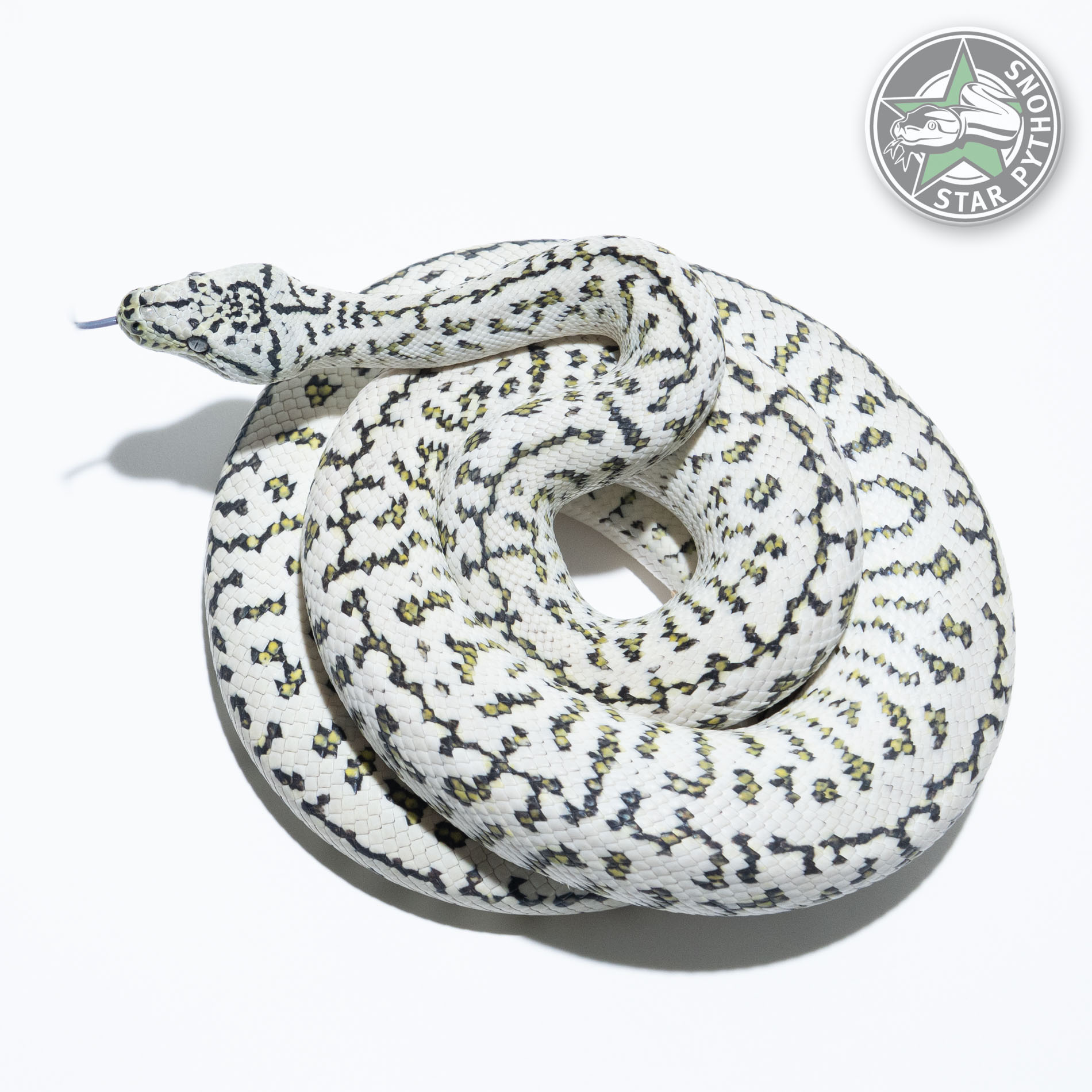
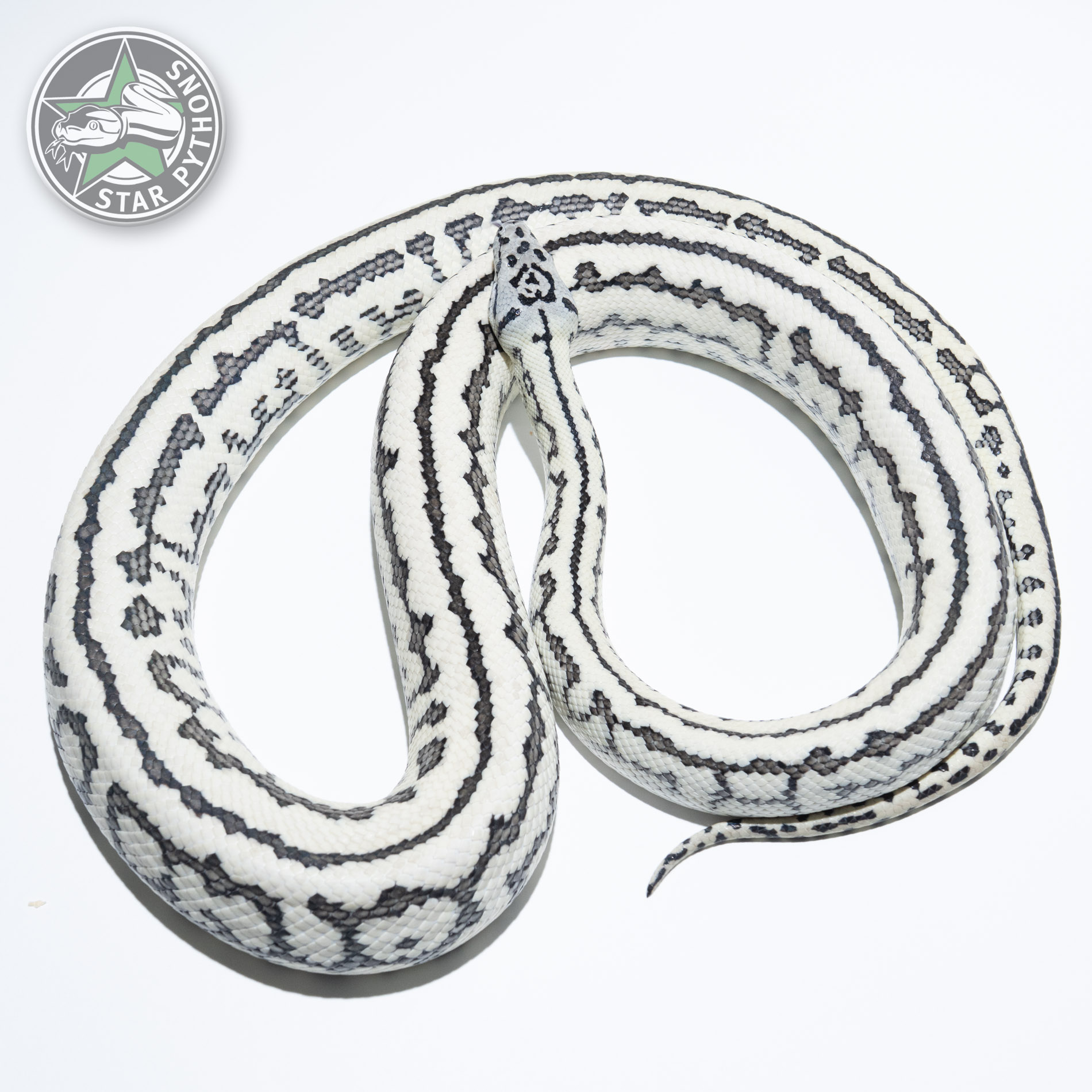
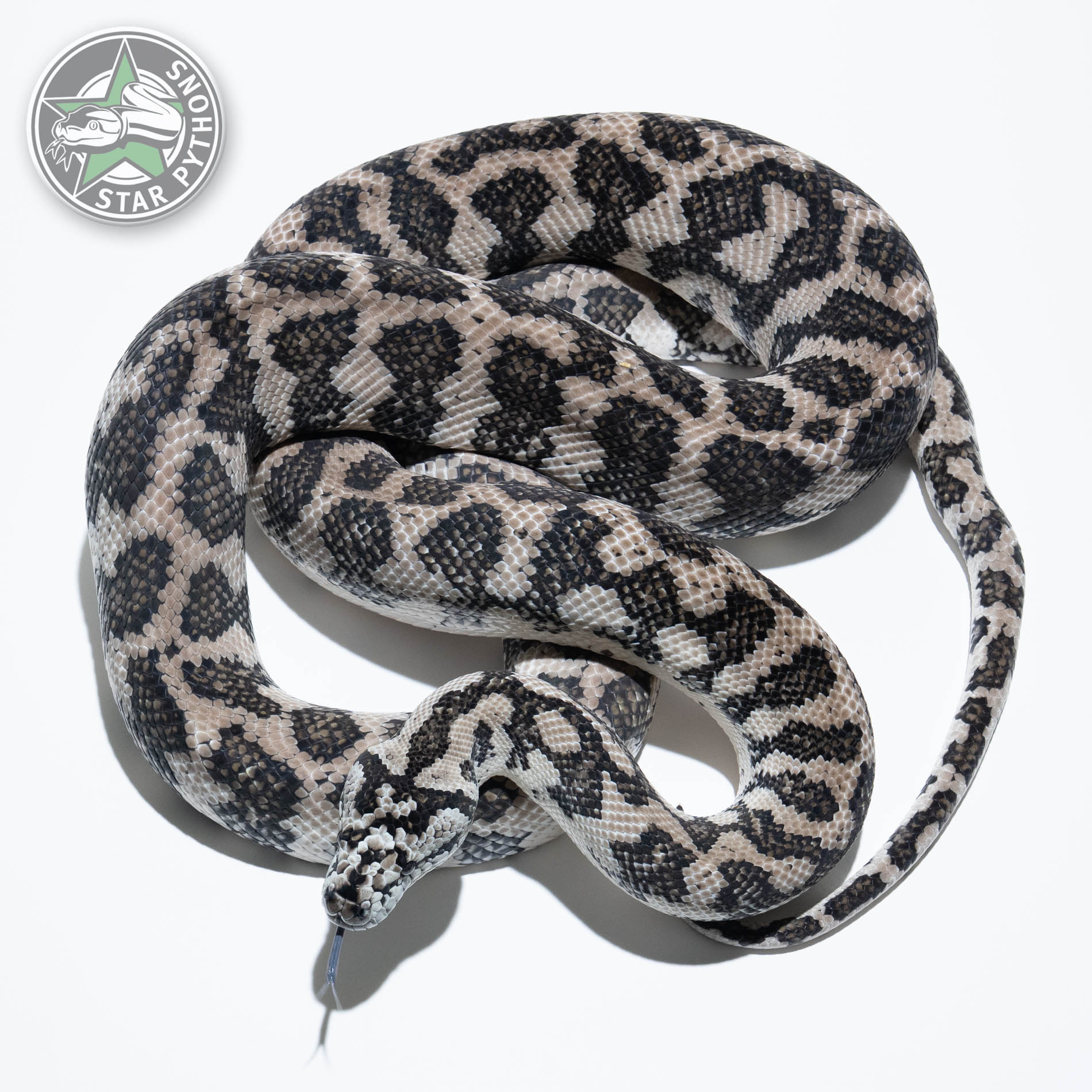
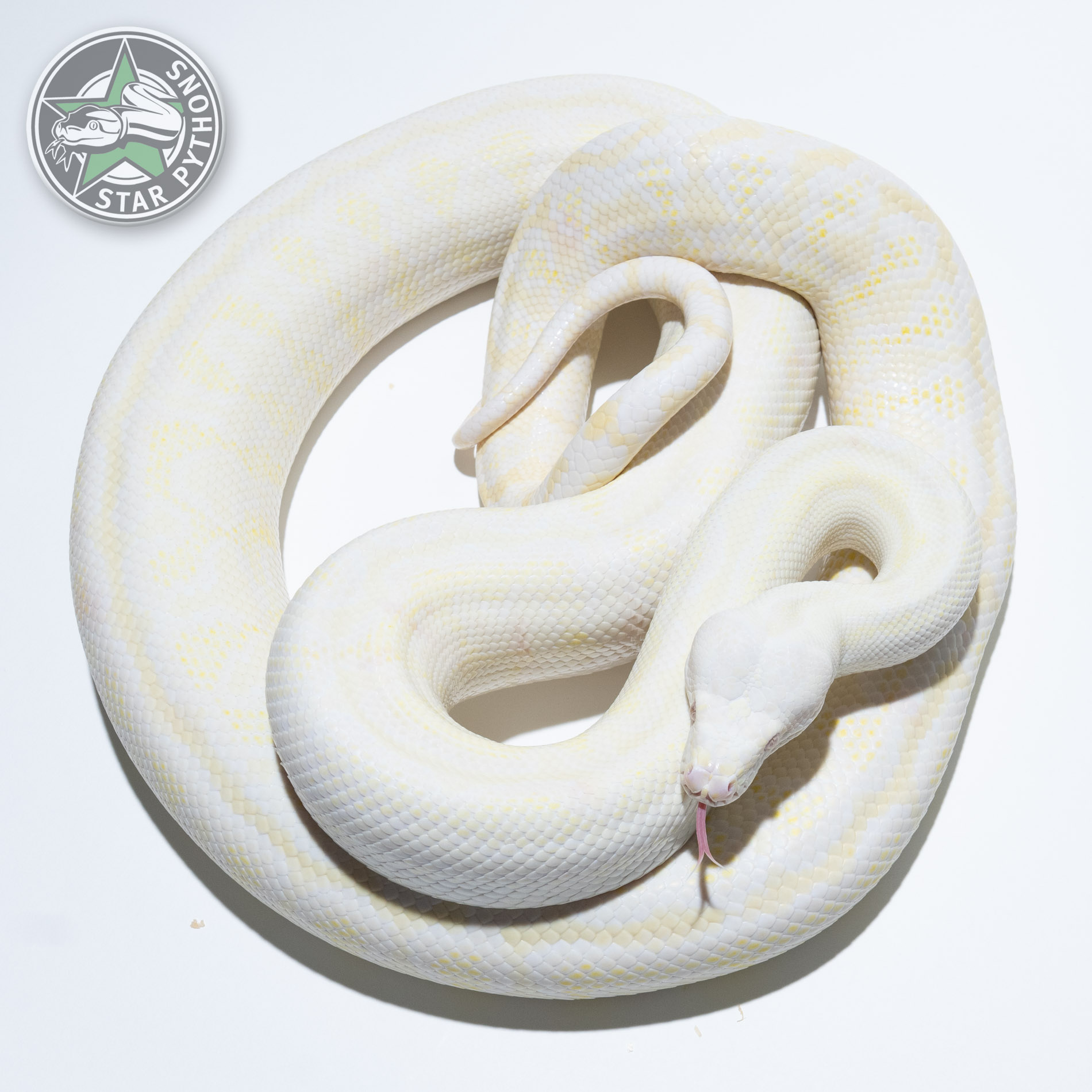
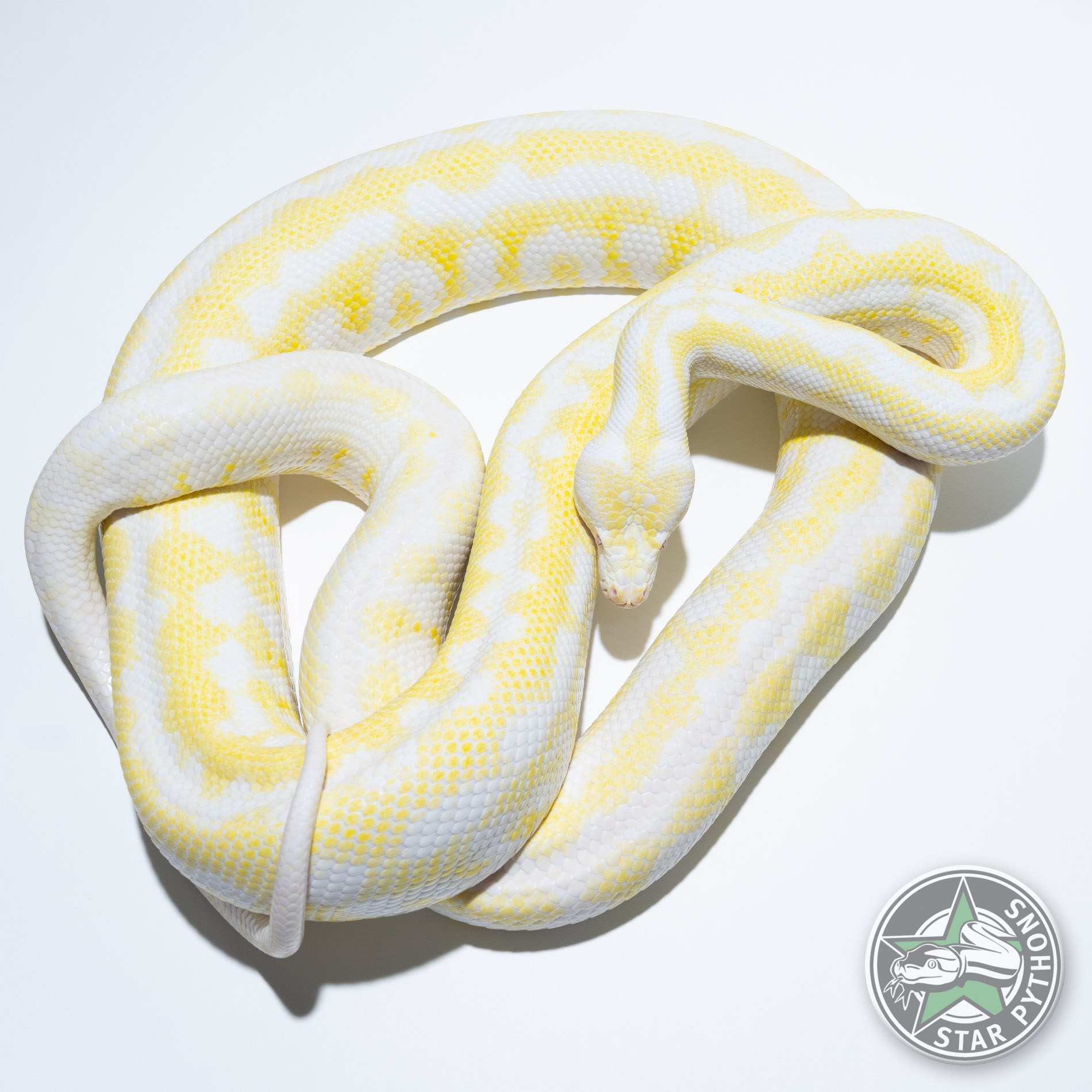
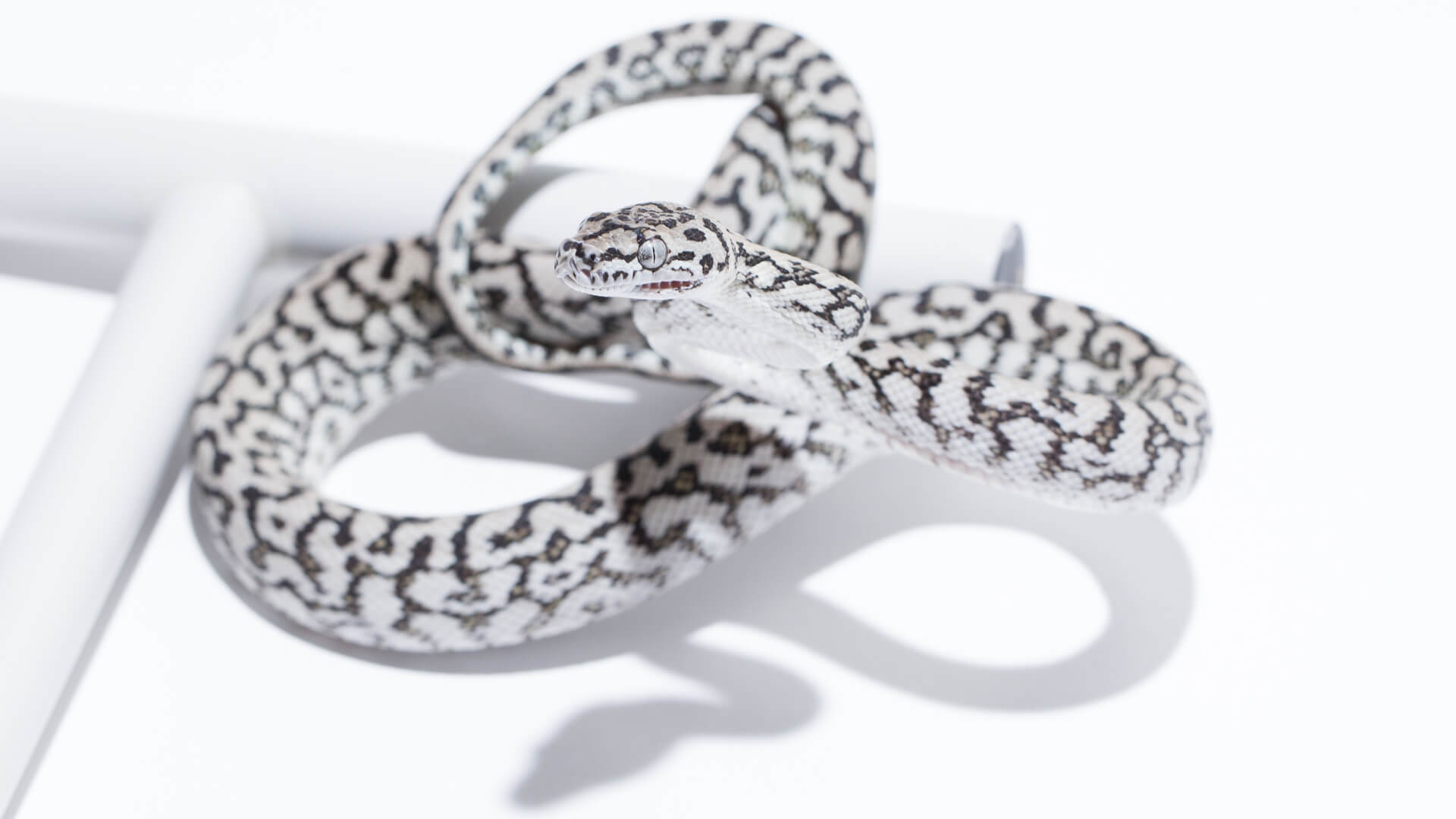
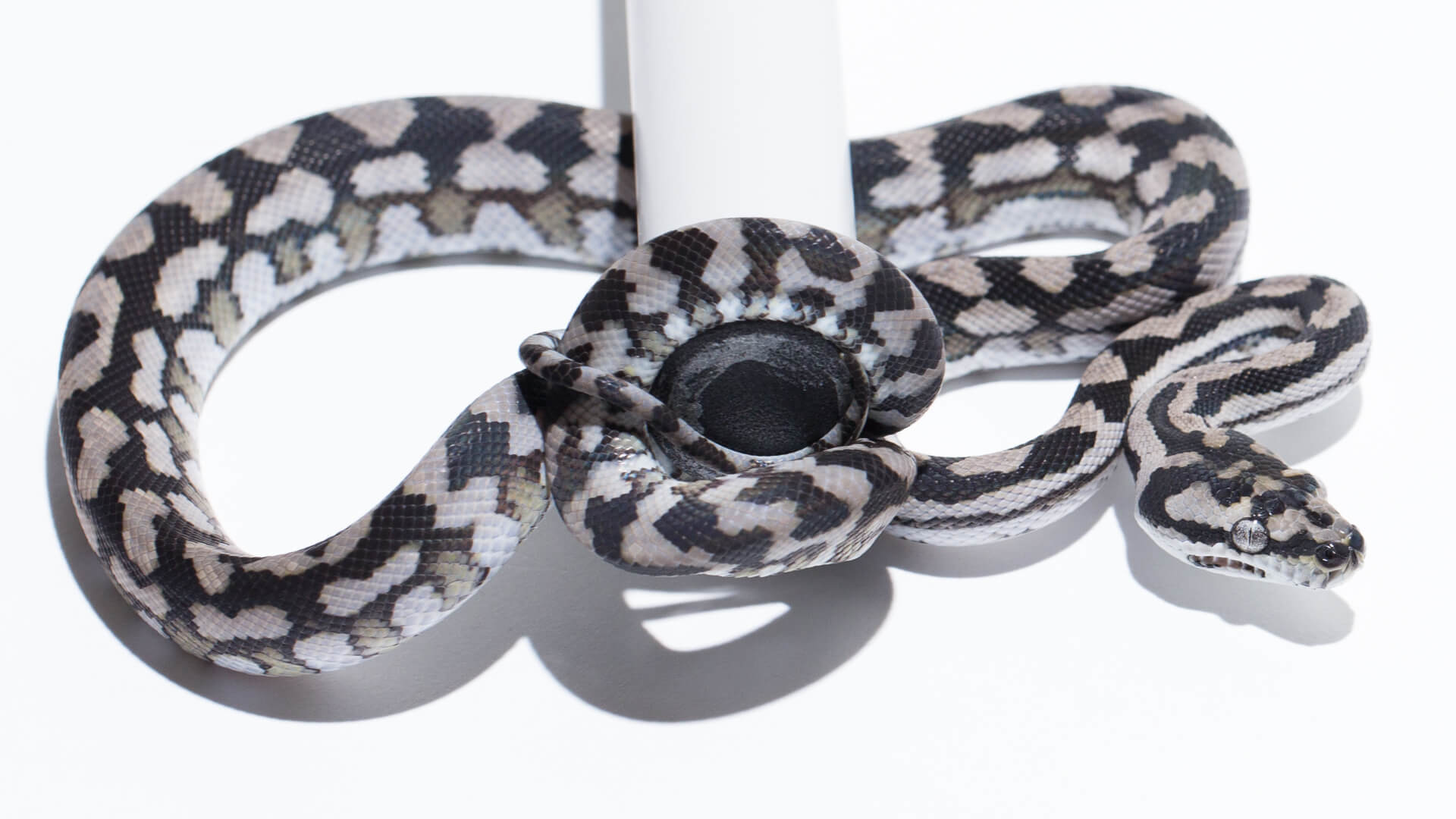
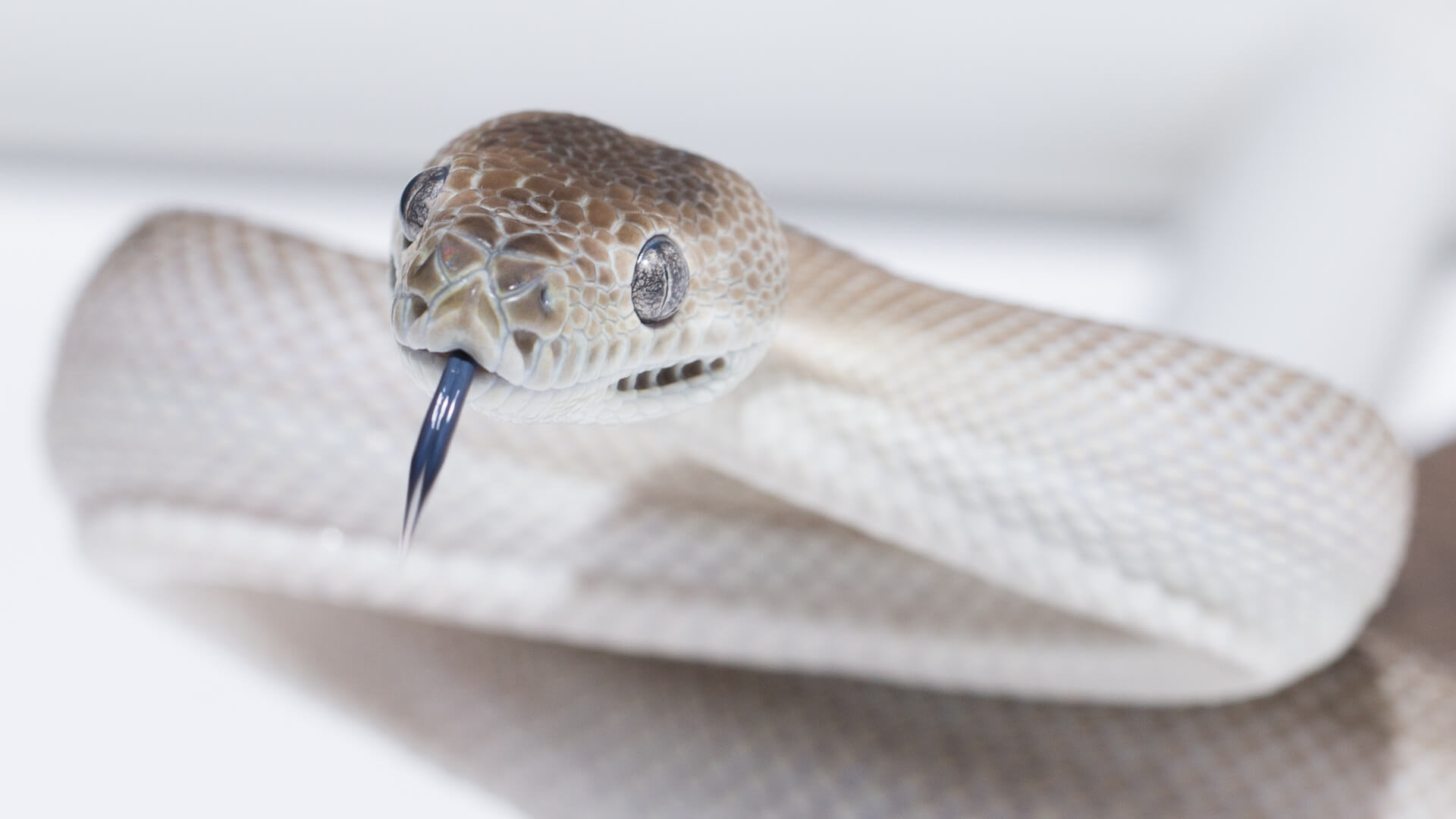
Axanthic Jaguar carpet python (Morelia spilota) – captive bred at StarPythons

Axanthic Carpet Pythons: Biology, Genetics & Lines

Axanthic Carpet Pythons are Morelia spilota that show a pronounced reduction of yellow pigmentation, producing a clean silver-grey to charcoal look with crisp pattern contrast. In the reptile hobby, "axanthic" is often used as a shorthand for "yellow-reduced," but biologically it refers to a specific pigment effect: reduced expression of yellow pigments and/or the cells that produce and store them.

On this page you'll find a scientific overview of what axanthism is, why inheritance debates exist in carpet pythons, and how our Coastal and Papua (Irian Jaya) axanthic projects are approached. Below, we also showcase the most popular axanthic combinations – from Axanthic Zebras to Snows – with images and genetic background for each. Here you can browse our available Axanthic carpet pythons.

Axanthic Combinations & Gallery

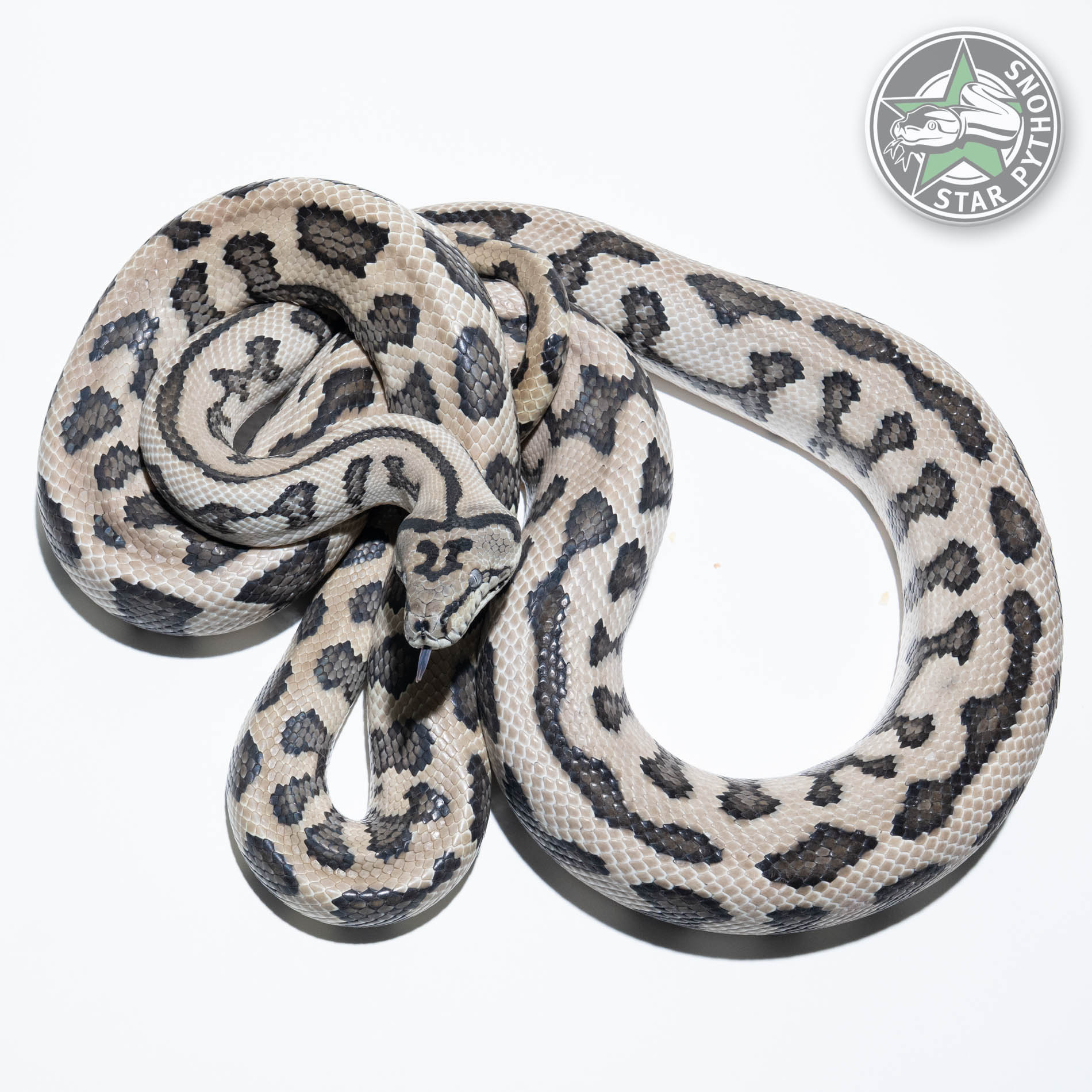
Axanthic

Axanthic carpet python female (Morelia spilota), hatched 2018 – StarPythons

The Axanthic is the foundation of all combinations on this page. In its pure form, it produces a silver-grey to charcoal animal with crisp pattern contrast and strongly reduced yellow pigmentation – a cool, clean look that stands out even among wild-type carpet pythons. Axanthic is recessive, meaning both parents must carry the trait to produce visual offspring. We work with both Coastal (M. s. mcdowelli) and Papua (M. s. harrisoni) axanthic lines, each with their own visual character shaped by locality background and selective breeding over generations.

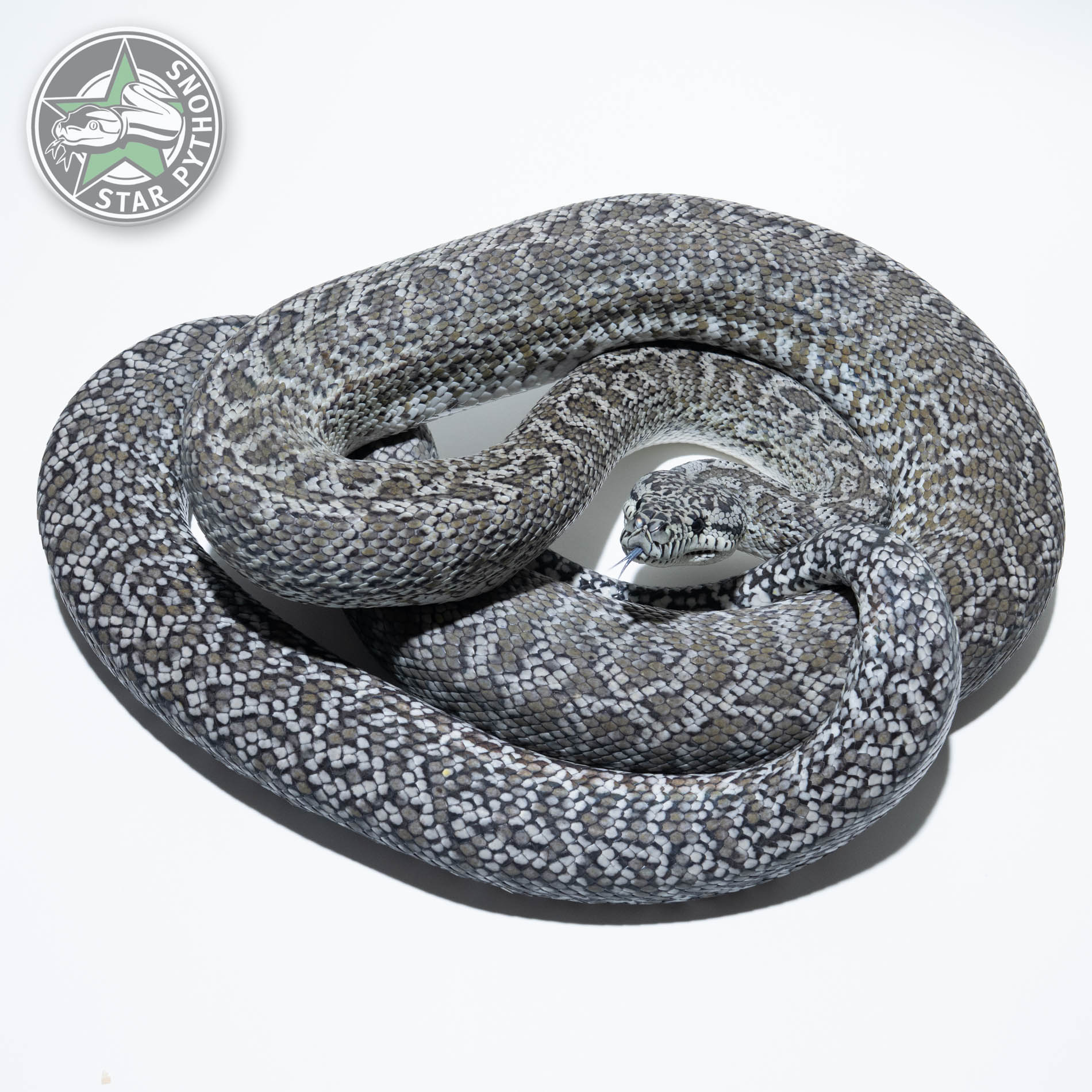
Axanthic Granite

Axanthic Granite carpet python female (Morelia spilota), hatched 2020 – StarPythons

The Axanthic Granite is one of the most striking double recessive combinations in the Morelia spilota complex. The granite pattern disruption – fragmented scales, reduced pattern regularity – combines with the cool silver-grey of the axanthic to produce an animal that looks almost monochromatic. High-contrast individuals can appear nearly black and white. Both traits are recessive, making visual animals relatively rare and sought after.

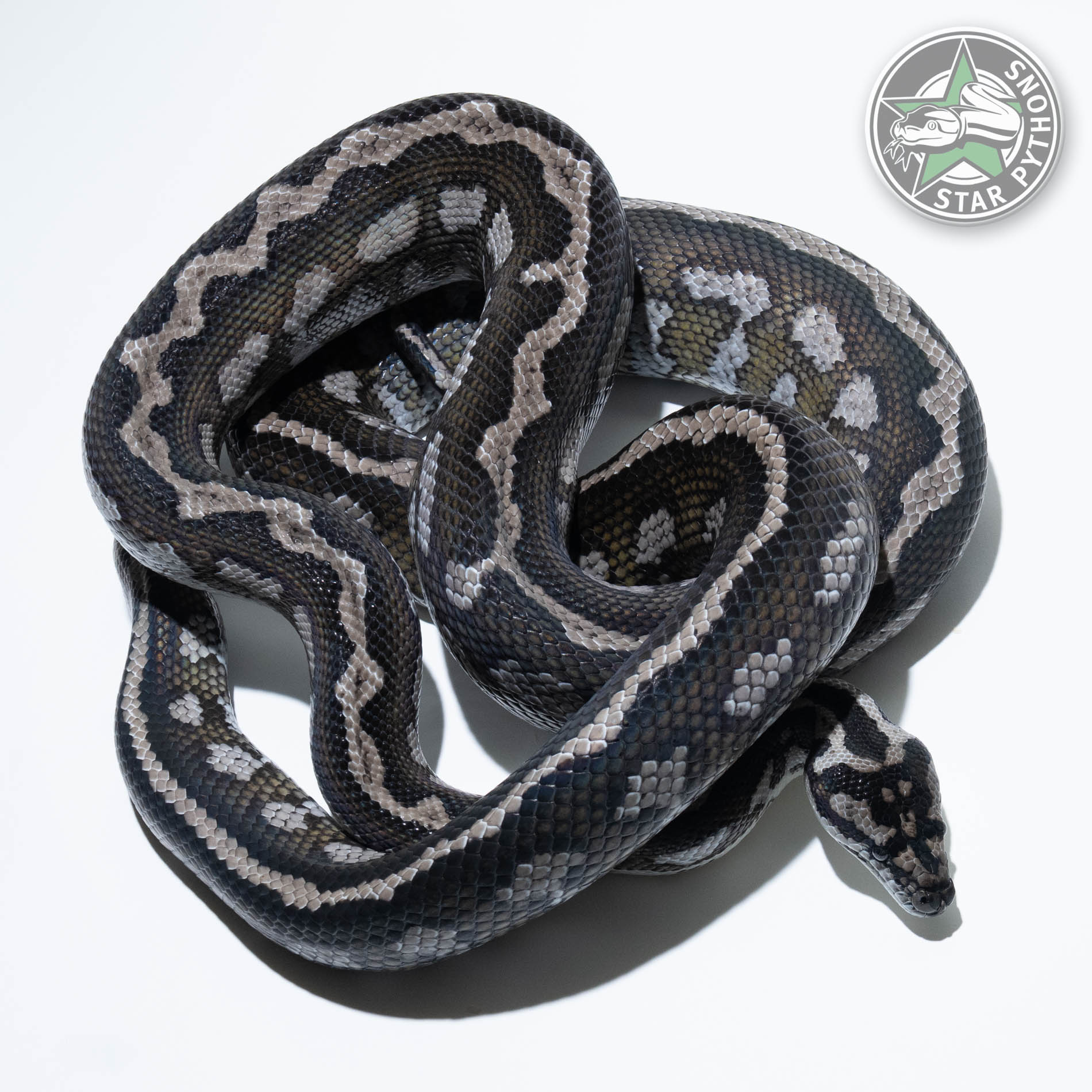
Axanthic Jaguar

Axanthic Jaguar carpet python male (Morelia spilota), hatched 2021 – StarPythons

The Axanthic Jaguar combines the intermediately inherited Jaguar pattern mutation with the recessive axanthic colour reduction. Where a standard Jaguar retains warm yellow tones, the axanthic component strips these out, leaving an almost crisp silver and black animal with the characteristically reduced Jaguar pattern. Because Jaguar is intermediately inherited, heterozygotes are already visual Jaguars – but producing animals that are both visual Jaguar and visual axanthic still requires the axanthic to come from both sides of the pairing.

Axanthic Granite Jaguar

Axanthic Granite Jaguar carpet python male (Morelia spilota), hatched 2024 – StarPythons

One of the most complex and visually impressive combinations in our program. The Axanthic Granite Jaguar brings together three separate genetic influences: the recessive axanthic colour reduction, the recessive granite pattern disruption, and the intermediately inherited Jaguar mutation. The result is a heavily fragmented, low-contrast pattern on a silver-grey base – animals that are difficult to describe and easier to simply look at.

Axanthic Zebra

Axanthic Zebra carpet python female (Morelia spilota), hatched 2022 – StarPythons

The Zebra mutation, known from Morelia spilota cheynei backgrounds, is intermediately inherited and produces a high-contrast banded pattern with strongly reduced interstitial colour. Combined with axanthic, this contrast is pushed to its logical extreme – a crisp black and silver animal with almost no residual pigmentation between the bands. Axanthic Zebras are among the most graphically striking carpet python combinations. Homozygous Axanthic Super Zebras take this even further: they are uniform grey animals without visible pattern – one of the most minimalist phenotypes in the entire complex.

Axanthic Zebra Jaguar

Axanthic Zebra Jaguar carpet python male (Morelia spilota), hatched 2023 – StarPythons

The Axanthic Zebra Jaguar is one of the most visually striking triple combinations in the Morelia spilota complex. The Zebra contributes bold, high-contrast banding; the Jaguar breaks up and reduces the dorsal pattern; and the axanthic strongly reduces the yellow, leaving an often almost pure white and grey animal with a graphic, almost monochrome appearance. The interaction between all three mutations produces results that vary even within a clutch – no two Axanthic Zebra Jaguars look identical. The white base combined with sharp grey patterning makes this one of the most sought-after combinations we produce.

Ghost (Hypo Axanthic)

Ghost carpet python male – Hypo Axanthic (Morelia spilota), hatched 2021 – StarPythons

The Ghost is the combination of hypo and axanthic – two separate mechanisms of colour reduction working together. Hypo is intermediately inherited, meaning heterozygotes already show a visible reduction in melanin; homozygous Super Hypos take this further. Combined with the recessive axanthic, which strongly reduces yellow pigmentation, the result is a pale, silvery-white animal with a ghostly, washed-out appearance that gives the combination its name. Ghosts are popular precisely because they look unlike anything else in the complex.

Ghost Zebra Jaguar

Ghost Zebra Jaguar carpet python male (Morelia spilota), hatched 2022 – StarPythons

A combination that pushes the Ghost phenotype to its visual extreme. Both Zebra and Jaguar are intermediately inherited. On a Ghost background (Hypo + Axanthic), the Zebra contributes strong banding while the Jaguar disrupts and reduces the dorsal pattern, washing the entire animal in pale silver and white. The interaction between multiple intermediately inherited and recessive traits produces results that vary even within a clutch – no two Ghost Zebra Jaguars look identical.

Moonglow (Hypo Albino Axanthic)

Moonglow carpet python female – Hypo Albino Axanthic (Morelia spilota), hatched 2022 – StarPythons

The Moonglow is a triple combination of hypo, albino, and axanthic. Albino and axanthic are both recessive, requiring both parents to carry each trait; hypo is intermediately inherited, adding further complexity to production planning. The phenotype is a near-white animal with subtle tones from the albino component, softened by the hypo and axanthic. The name reflects the appearance well: luminous, pale, and otherworldly. Moonglows are among the rarest carpet python morphs in existence.

Snow (Albino Axanthic)

Snow carpet python female – Albino Axanthic (Morelia spilota), hatched 2021 – StarPythons

The Snow is the double recessive combination of albino and axanthic. Albino removes melanin entirely, producing a white and yellow animal; axanthic then strongly reduces the yellow, leaving a creamy white snake with minimal pigmentation. The result is one of the most elegant carpet python morphs – simple in concept, demanding in production. Snows require both parents to carry both recessives, and visual animals are always the result of careful het-to-het or het-to-visual pairings.

What is Axanthism?

In reptiles, "axanthic" in the hobby commonly refers to a phenotype with strongly reduced yellow pigmentation, producing a "cooler," grey-dominant appearance. Technically, axanthism describes the reduced expression or functional loss of yellow pigment pathways – primarily affecting xanthophores and their pteridine- and carotenoid-based pigments. Unlike amelanism (albinism), which eliminates dark melanin, axanthism leaves the melanophore system intact. The result is an animal where greys, blacks, and light-reflecting structural tones dominate, while the warm yellows and oranges typical of wild-type carpet pythons are suppressed or absent.

In practice, axanthism is best understood as a pigment pathway outcome rather than a single universal mutation. Similar "axanthic-like" appearances can arise from different genes in different species, and even within the same species different lines may not share the same causal variant. This is why two axanthic lines that look visually similar are not necessarily compatible in breeding – a point with direct practical consequences for anyone working with multiple lineages.

Biology and Genetics

Reptile skin colour is layered biology, not "paint." In normally pigmented carpet pythons, four distinct types of specialised pigment cells – collectively called chromatophores – work in combination. Melanophores produce melanin, supplying dark brown to black contrast. Erythrophores produce red pigments. Xanthophores produce yellow pigments through a combination of pteridines (synthesised within the cell) and carotenoids (obtained through diet). Iridophores contain tiny crystals that reflect and scatter light, contributing optical brightness and iridescence (Prüst, 1984). In axanthic carpet pythons, the xanthophore system is functionally reduced. The pattern blueprint remains fully intact, but instead of the warm yellow-brown tones of a wild-type animal, the remaining melanin contrast and iridophore reflectance produce the characteristic silver-grey to charcoal appearance.

The molecular basis of axanthism in snakes has recently received its first peer-reviewed genetic anchor. García-Elfring et al. (2025) investigated the VPI Axanthic line in ball pythons (Python regius) and identified an association with a loss-of-function variant in gch2 – a gene encoding GTP cyclohydrolase II, an enzyme in the pterin biosynthesis pathway. Because pteridines are a major component of the yellow pigment produced by xanthophores, a non-functional gch2 allele directly explains the reduction of yellow. The study positions ball pythons as a vertebrate model for pterin-based pigmentation research. This finding is also curated in OMIA as a GCH2-related axanthism entry for Python regius (OMIA, 2025).

It is important to note that this does not automatically establish gch2 as the causal gene in carpet pythons. For Morelia spilota, no equivalent molecular study exists to date. The hobby literature emphasises that "axanthic" appears in multiple independent bloodlines across the complex – Coastal (M. s. mcdowelli) and Papua/Irian Jaya (M. s. harrisoni) lines being the most commonly discussed – and that the phenotype can be difficult to classify visually in heterozygotes due to the wide baseline colour variation inherent to the species. Mutton and Julander (2022) discuss several unrelated axanthic lineages and argue that some forms may behave as intermediately inherited traits with subtle heterozygote expression, while also acknowledging that natural variability makes reliable het identification by eye impractical.

In principle, independently arising axanthic mutations could affect different genes or different positions within the same gene – meaning two axanthic lines are not guaranteed to be compatible in crosses. In practice, the two established lines in the carpet python hobby – Coastal and Papua – are confirmed allelic and produce visual axanthic offspring when crossed. Inheritance should nonetheless be inferred from documented pairing outcomes rather than from appearance alone, particularly when working with lines of uncertain provenance.

Axanthic Lines: Coastal and Papua (IJ)

Two axanthic lines are established in the carpet python hobby. Axanthic Coastal originates from Morelia spilota mcdowelli stock, while Axanthic Papua / Irian Jaya originates from M. s. harrisoni – "IJ" being the older hobby designation still found in many pedigrees. Both lines produce the characteristic silver-grey to charcoal appearance, but the visual expression differs depending on locality background and selective breeding history. Coastal axanthics tend toward a lighter, more silvery base, while Papua animals often show deeper charcoal tones with stronger overall contrast.

The two lines are compatible – crosses between Coastal and Papua axanthics produce visual axanthic offspring, confirming they are allelic. This makes them interchangeable in breeding projects from a genetic standpoint, though the visual outcome of line crosses will reflect the mixed locality background. Because the Morelia spilota complex shows strong natural colour variation, and because many captive projects have used mixed subspecific backgrounds over decades, the visual "quality" of an axanthic – how silver, how clean, how completely the warm tones are suppressed – is shaped by polygenic modifiers and selective breeding as much as by the axanthic allele itself.

Inheritance: Practical Expectations

Axanthic in carpet pythons is most consistently modeled as a simple autosomal recessive trait. This means an animal must carry two copies of the non-functional allele – one from each parent – to express the axanthic phenotype. A single copy produces no reliably visible effect; the animal appears normal but can pass the allele on to its offspring.

This gives rise to three genotypic categories in practice:

  • Visual Axanthic: homozygous – carries two copies of the axanthic allele, always expresses the phenotype
  • Het Axanthic: heterozygous – carries one copy, appears normal, but is a confirmed carrier
  • Non-carrier: carries no copies, visually indistinguishable from a het

From these categories, the standard pairing outcomes follow directly:

  • Het × Het → statistically 25% visual axanthics, 50% hets, and 25% non-carriers. Because hets and non-carriers look identical, all normally coloured offspring are sold as "66% possible het Axanthic."
  • Visual × Het → 50% visual axanthics and 50% confirmed hets.
  • Visual × Visual → all offspring visual axanthics.

Some sources, notably Mutton and Julander (2022), have argued that certain axanthic forms may show subtle heterozygote expression – a slightly cooler tone or reduced yellow compared to confirmed non-carriers. In practice, this intermediate effect is extremely difficult to separate from the wide natural colour variation in carpet pythons, making "het recognition by eye" unreliable across most backgrounds. Our recommendation: treat het status as a genetic claim backed by documented pairing records, not as a visual assessment.

FAQ - Axanthic Carpet Pythons

What is the difference between axanthic and albino?

Albinism and axanthism affect different pigment systems. Albinism eliminates melanin – the dark pigment responsible for contrast and banding – leaving an animal dominated by yellow, orange, and white tones from the remaining xanthophores. Axanthism works in the opposite direction: it reduces or eliminates yellow pigmentation while leaving the melanin system intact, producing a cool silver-grey to charcoal animal with preserved dark pattern contrast. The two mutations are genetically independent and can be combined: an animal carrying both albino and axanthic in visual form is called a Snow – a near-white animal where both dark and yellow pigment pathways are simultaneously suppressed.

Are axanthic carpet pythons harder to keep than normal ones?

No – the fundamental husbandry requirements are identical. Axanthic carpet pythons eat, thermoregulate, and behave like any other carpet python. Unlike albinos, they are not light-sensitive because their melanin system – including iris pigmentation – functions normally. The only consideration is aesthetic rather than medical: axanthic animals sometimes show a faint olive or warm undertone under certain lighting conditions, which is normal and does not indicate a health issue. In short, if you can keep a wild-type carpet python, you can keep an axanthic.

Can you tell if a carpet python is het axanthic by looking at it?

Not reliably. Some breeders report subtle yellow reduction in heterozygous animals – a slightly cooler overall tone compared to confirmed non-carriers. However, carpet pythons show exceptionally wide natural colour variation, even within the same clutch from wild-type parents. This makes "het recognition by eye" practically unreliable: a naturally cooler wild-type animal can look identical to a genuine het. Our recommendation is to treat het status as a genetic claim backed by documented pairing records, not as a visual assessment. If an animal is sold as het axanthic, ask for the parent documentation.

Is axanthic recessive or intermediately inherited?

In practice, axanthic in carpet pythons behaves most consistently as a simple autosomal recessive trait: two copies are needed for a visual animal, and het-to-het pairings produce approximately 25% visual offspring. Some sources, notably Mutton and Julander (2022), have argued that certain axanthic forms may show subtle intermediate expression in heterozygotes – a slightly cooler appearance compared to non-carriers. Even if this effect exists as a statistical trend, it is extremely difficult to separate from normal variation in a species with such broad baseline colour range. For practical breeding decisions, treating axanthic as recessive remains the most reliable approach.

Why do some axanthics show a hint of olive or green?

A faint olive or greenish undertone is occasionally visible in some axanthic individuals, particularly along the flanks or under warm artificial lighting. This is not a sign of impurity or poor quality – it reflects the interaction between residual yellow pigment (which is reduced but not always completely eliminated) and the underlying dark melanin and reflective iridophore layers. The degree of residual yellow varies between individuals and lines, and can also shift subtly with age, shedding cycle, and lighting conditions. Selective breeding over generations can progressively reduce this effect, which is one reason why well-established axanthic lines often appear "cleaner" than first-generation animals.

Are the Coastal and Papua axanthic lines compatible?

Yes. The two established axanthic lines in the carpet python hobby – Coastal (M. s. mcdowelli) and Papua/Irian Jaya (M. s. harrisoni) – are confirmed allelic, meaning they involve the same genetic locus. Crosses between visual Coastal and visual Papua axanthics produce visual axanthic offspring. This makes them fully compatible in breeding projects from a genetic standpoint. The visual outcome of line crosses will reflect the mixed subspecific background: animals may show intermediate characteristics between the typically lighter Coastal phenotype and the deeper-toned Papua expression. Both lines and their crosses are equally valid for combination projects with other morphs.

What is a Ghost – and how does it relate to axanthic?

Ghost is the combination of two separate mutations: Hypo (intermediately inherited, reduces melanin expression) and Axanthic (recessive, reduces yellow pigmentation). Where Hypo alone brightens an animal by softening dark tones, and Axanthic alone produces a silver-grey animal by removing yellow, the combination of both results in a pale, silvery-white animal with a washed-out, "ghostly" appearance that gives the combination its name. Producing a visual Ghost requires the Axanthic to be homozygous (from both parents), while even a single copy of Hypo already contributes a visible effect. Ghosts are one of the most popular axanthic combinations and serve as the foundation for more complex multi-gene projects like Ghost Zebra Jaguars and Moonglows.
References

García-Elfring, A., Roffey, H. L., Abergas, J. M., Hendry, A. P., & Barrett, R. D. H. (2025). GTP cyclohydrolase II (gch2) and axanthism in ball pythons: A new vertebrate model for pterin-based pigmentation. Animal Genetics, 56, e70011. https://doi.org/10.1111/age.70011

Mutton, N., & Julander, J. (2022). The More Complete Carpet Python: A comprehensive guide to the natural history, care, and breeding of the "Morelia spilota" complex (Hardcover). ECO Publishing. (ISBN-13: 978-1938850424).

OMIA. (2025). Skin colour, axanthism, GCH2-related in Python regius (OMIA:002937-51751). Online Mendelian Inheritance in Animals.

Prüst, E. (1984). Albinism in snakes. Litteratura Serpentium, 4(1), 6–15.

Available Axanthic Carpet Pythons for Sale

Sex
Category
Morph
This beautiful female Hypo Caramel Zebra het Axanthic carpet python with id 24-863 is for sale.
Animal ID: 24-863

Hypo Caramel Zebra het Axanthic

900 € US$ 1,300 ₩ 1,399,000

Details

This beautiful female Hypo Caramel Zebra het Axanthic carpet python with id 24-861 is for sale.
Animal ID: 24-861

Hypo Caramel Zebra het Axanthic

900 € US$ 1,300 ₩ 1,399,000

Details

This beautiful male Ghost carpet python with id 24-859 is for sale.
Animal ID: 24-859

Ghost

1.800 € US$ 1,900 ₩ 2,599,000

Details

This beautiful female Hypo Jaguar het Axanthic carpet python with id 24-733 is for sale.
Animal ID: 24-733

Hypo Jaguar het Axanthic

1.300 € US$ 1,400 ₩ 2,099,000

Details

This beautiful female Sunglow het Axanthic carpet python with id 24-479 is for sale.
Animal ID: 24-479

Sunglow het Axanthic

1.800 € US$ 1,900 ₩ 2,799,000

Details

This beautiful female Hypo Caramel het Axanthic carpet python with id 24-470 is for sale.
Animal ID: 24-470

Hypo Caramel het Axanthic

800 € US$ 900 ₩ 1,299,000

Details